
Teeth scaling is a professional preventive or periodontal procedure that helps remove built-up plaque from the surface of the teeth, supports overall cleanliness in the mouth, and helps prevent the kinds of infection signs that could otherwise go on to cause lasting damage over time. While the procedure is widely regarded as safe and highly effective, and comes with a number of genuine advantages, many people still find themselves feeling somewhat worried, wondering exactly what kind of teeth scaling side effects they might experience.
What is dental scaling and how does it work?
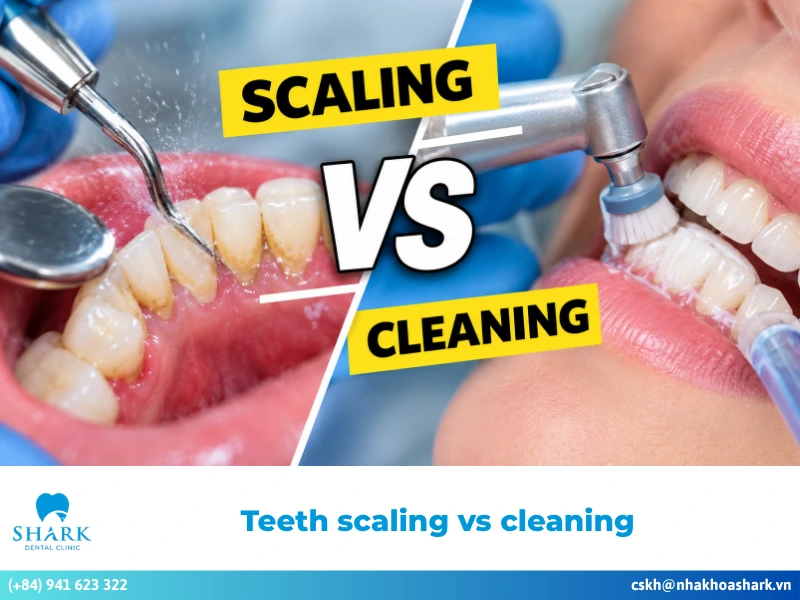
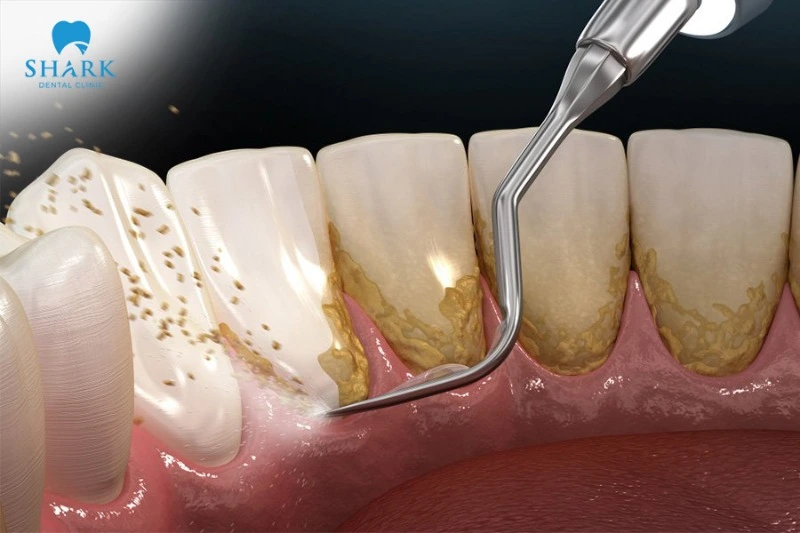
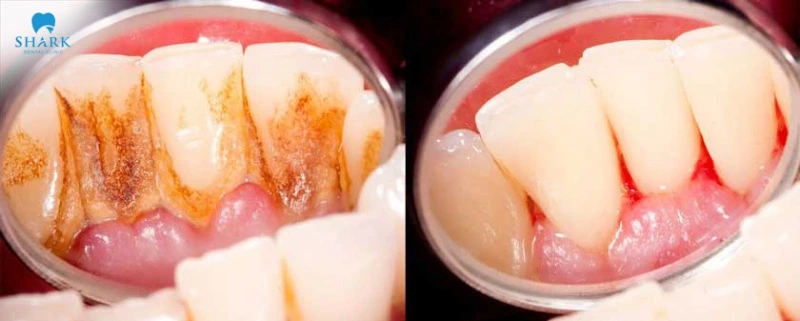
Teeth scaling is a method used to remove plaque buildup from the surface of the teeth using specialized dental instruments. The technique specifically targets areas of the teeth where hardened, calcified plaque has accumulated over time, and then removes plaque and calculus from the tooth surfaces and gumline, or from below the gumline when clinically indicated, helping to prevent oral health conditions such as gum disease and periodontal disease from developing any further.
The scaling procedure is carried out in a specialized way, with the support of modern equipment. Whenever it is performed, it’s important to properly and carefully follow a set of important principles across the entire sequence of steps involved, which generally includes the following:
Step 1: Examination and consultation
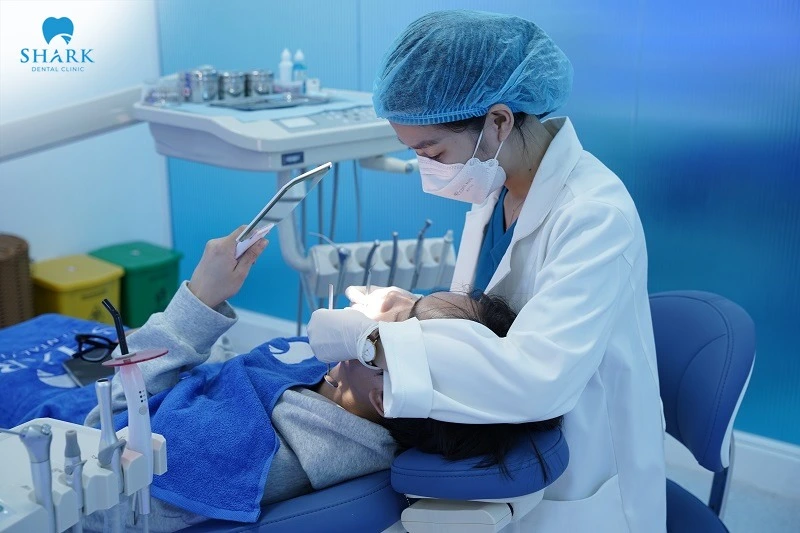
Before scaling begins, the dentist will carry out an examination in order to assess the patient’s overall condition and determine just how much tartar has built up. Once this initial examination has been fully completed, the dentist will go ahead and apply whichever scaling technique proves most appropriate for the situation.
Step 2: Carrying out the scaling procedure
After a general cleaning of the mouth has been carried out, the dentist will proceed to scale the teeth section by section. The crown of the tooth is generally scaled first, followed afterward by the spaces between the teeth and the specific areas where the teeth meet the surrounding gums. This entire scaling process generally takes somewhere between 30 and 45 minutes to complete, depending on just how much tartar buildup happens to be present at the time.
Step 3: Polishing the teeth
After the scaling itself has been fully completed, the dentist will go on to carefully polish the teeth and apply a protective treatment, which helps the surface become smooth and glossy, look bright and genuinely attractive, and better resist further plaque buildup going forward.
What can you expect before your treatment?
Teeth scaling is a fairly simple dental procedure that helps clean away stubborn, hardened plaque buildup and helps prevent bacteria from continuing to develop further. That said, before going ahead and undergoing this particular method, it’s important to keep a handful of key principles in mind, including the following:
- Oral hygiene: Be sure to keep your mouth clean before visiting the dentist, so that the dentist can easily examine the area and recommend whichever method is most appropriate for your situation.
- Disclose your full medical history: Before undergoing scaling, it’s important to inform your dentist of any medical conditions you may be dealing with, such as allergies, blood clotting issues, or gum disease.
- Avoid stimulants beforehand: Be careful to avoid alcohol, coffee, or tobacco right before your dental visit, in order to keep your mouth clean and comfortable throughout the examination.
- Scaling frequency: It’s generally recommended that scaling be carried out regularly, at intervals recommended by the dentist based on calculus buildup, gum health, oral hygiene, and individual risk factors, in order to help prevent signs of infection and reduce the risk of other oral health conditions.
>>> See more: Teeth scaling before and after
What are the common teeth scaling side effects?
Even though teeth scaling is generally considered a fairly simple dental procedure, it’s still something that needs to be carried out at a genuinely reputable dental clinic. Larger, well-established clinic brands tend to have dedicated, highly experienced dental teams on staff, which naturally helps minimize irritation and any other unwanted effects that might otherwise occur. If scaling isn’t carried out properly, however, the following side effects can occur:
Tooth sensitivity to temperature
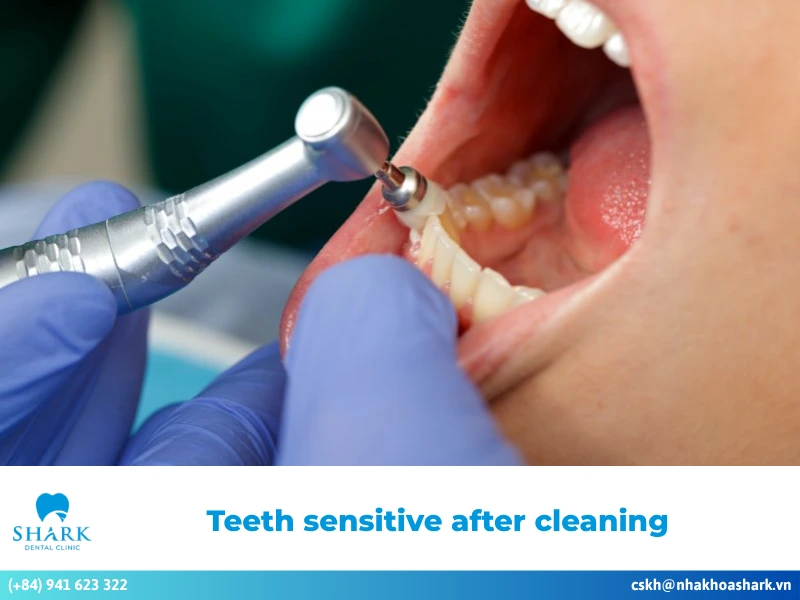
After scaling has been carried out, a feeling of sharp sensitivity may sometimes appear, making teeth sensitive after cleaning compared to how they usually feel. Because the calcified tartar had been so firmly attached to the tooth surface for such a long time, removing the deposits may reveal previously exposed dentin or root surfaces, which can temporarily increase sensitivity, leaving it feeling sensitive to both hot and cold temperatures for a little while afterward.
Minor bleeding and gum tenderness
It’s fairly common for the scaling process to bring on a bit of minor bleeding along with some gum irritation, particularly when the gums are already inflamed or when subgingival deposits require instrumentation. This is generally considered a perfectly normal occurrence, and the pain and bleeding will typically ease up gradually over time, with the dentist able to offer various pain-relief methods along the way in order to help minimize any irritation or other unwanted effects.
Mild swelling or inflammation
During the course of the scaling procedure itself, the use of firm pressure or specialized dental instruments against the tooth surface can sometimes lead to a degree of mild gum swelling and inflammation. This is considered one of the possible side effects of the procedure overall, so it’s important to carefully follow proper aftercare and hygiene instructions afterward, in order to minimize irritation and prevent any further unwanted effects.
Temporary spacing between teeth
Tartar is essentially a thick layer of hardened buildup that tends to accumulate beneath the gumline, around the base of the teeth over an extended period. After the scaling process has been completed, spaces that were previously filled or concealed by calculus and swollen gum tissue may become more visible after cleaning, so it’s important to pay especially close attention to thorough cleaning during this period, in order to prevent bacteria from settling back onto the teeth and causing gum inflammation, and to help keep plaque from building back up again afterward.
Are there any rare risks or dental infections?
The overall risk of rare complications or oral infection following a scaling procedure is generally considered to be relatively low. That said, if the procedure happens to be carried out at a less reputable clinic, some unwanted effects can still occur nonetheless.
Signs of post scaling dental infection
After scaling, the following infection-related signs may sometimes appear:
- Severe pain or bleeding that continues for an extended period of time.
- The appearance of pus around the gum area, accompanied by pain.
- Difficulty eating or carrying out everyday activities due to ongoing pain.
- Sharp sensitivity, pain, and increased sensitivity to hot and cold foods and drinks.
How is the recovery process after teeth scaling?
After the scaling procedure has been completed, the overall recovery process generally takes somewhere between 1 and 7 days from start to finish, and it’s usually only a fairly short amount of time before the gums become firm and clean once again, without any significant lingering effects or ongoing impact.
Eating and drinking guidelines for fast healing
In order to help the overall recovery process settle down as quickly as possible after undergoing scaling, it’s important to pay close attention to proper eating habits during this period, including the following:
- Avoid foods and drinks that are too hot or too cold, since the teeth remain sensitive and prone to irritation during this period.
- Stick to soft, easily digestible foods that are easy to swallow, such as porridge, soup, or yogurt.
- Avoid foods that are overly hard, overly crunchy, or spicy and hot, since these can affect the tooth surface during healing.

>>> See more: After scaling teeth what to eat?
Proper oral hygiene habits post treatment
In order to help prevent tartar from building back up again over time, it’s important to maintain a regular, consistent routine of oral care and hygiene, which should generally include the following:
- Use a soft-bristled toothbrush with gentle bristles, and brush with a light touch, avoiding excessive pressure while brushing.
- Brush regularly, at least 2 to 3 times a day, in order to help minimize irritation and other effects.
- Rinse with diluted saltwater to help disinfect the mouth, prevent infection, and keep your breath fresh and clean.
- Use dental floss to remove plaque from between the teeth, rather than relying on toothpicks.
- Avoid applying excessive outside force to areas of the teeth that have just been cleaned.
Frequently asked questions about teeth scaling side effects
After the scaling procedure has been completed, some degree of irritation and mild side effects tend to appear for a certain period of time afterward, which is entirely normal. Many people find themselves wondering just how long these particular side effects typically tend to last after scaling, and whether the scaling procedure itself is actually painful to undergo in the first place.
How long do side effects typically last?
Generally speaking, once the scaling procedure has been fully completed, side effects such as pain and minor bleeding tend to last somewhere between 1 and 7 days total. During this particular window of time, the gums will gradually stabilize on their own, any irritation or discomfort on the tooth surface will steadily fade away, the overall structure of the teeth will return to normal, and everyday activities can be carried out just as usual once again.
Is teeth scaling painful during the procedure?
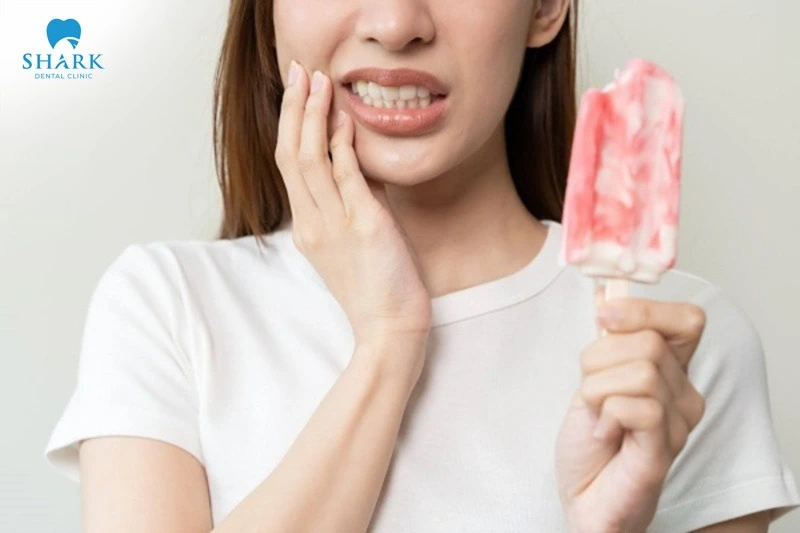
Routine scaling may cause little or mild discomfort, while deeper scaling can cause greater sensitivity or tenderness and may require local anesthesia in some cases, aside from a mild, passing sensation of sensitivity. This is considered a perfectly normal occurrence, since the tartar has typically been firmly attached to the tooth surface for quite a long period of time, and removing it using specialized equipment naturally involves a certain amount of contact with the tooth’s surface, which can understandably bring on a mild, momentary sense of sensitivity.
However, after a day or two has passed, this sensitivity typically fades away fairly quickly on its own, with the teeth returning to their normal state without any lasting effects or ongoing irritation. By carefully following proper aftercare and oral hygiene practices during this time, the overall process of stabilizing and recovering after scaling can be sped up quite considerably.
The article shared complete details on teeth scaling side effects, helping you feel confident about safe treatment. Choose a reputable clinic like Shark Dental Clinic in Vietnam for high-quality cosmetic solutions that minimize risks and deliver a bright, confident smile.