

After having a wisdom tooth removed, many people often worry about how long the swelling and pain will last, when they can return to eating normally, and what they should do to help the wound heal faster. In reality, wisdom tooth extraction recovery occurs in several different stages and is greatly influenced by daily oral care habits and post-extraction care routines. To better understand the recovery from wisdom tooth extraction process, let’s Shark Dental Clinic explore the details in the article below.
How long does wisdom tooth extraction recovery take?
After wisdom tooth extraction, the body immediately begins its natural healing process by forming a blood clot inside the tooth socket to protect the surgical area. Afterward, the gum tissue gradually closes over the extraction site, while the jawbone underneath continues rebuilding over time. Depending on the condition of the tooth, the complexity of the extraction, and each person’s healing ability, recovery from wisdom tooth extraction may vary from person to person.
- First 3–7 days: This is usually the stage when swelling and pain begin to decrease noticeably. The extraction area may still feel slightly sore, sensitive, or mildly uncomfortable, but these symptoms generally improve gradually with proper aftercare and rest.
- Around 1–2 weeks: At this point, the gum tissue starts healing more completely, discomfort is significantly reduced, and eating and speaking typically become much easier and more comfortable during wisdom tooth extraction recovery.
- From several weeks to a few months: The jawbone beneath the extraction site continues regenerating and filling the empty space left after the wisdom tooth removal. This stage of recovery from wisdom tooth extraction happens silently beneath the gums and often takes much longer than the visible healing of the soft tissue.
In addition, the overall healing speed depends on several important factors, including the complexity of the impacted wisdom tooth, whether a minor surgical procedure was required, the patient’s general health condition, and how carefully post-extraction instructions from the dentist are followed.
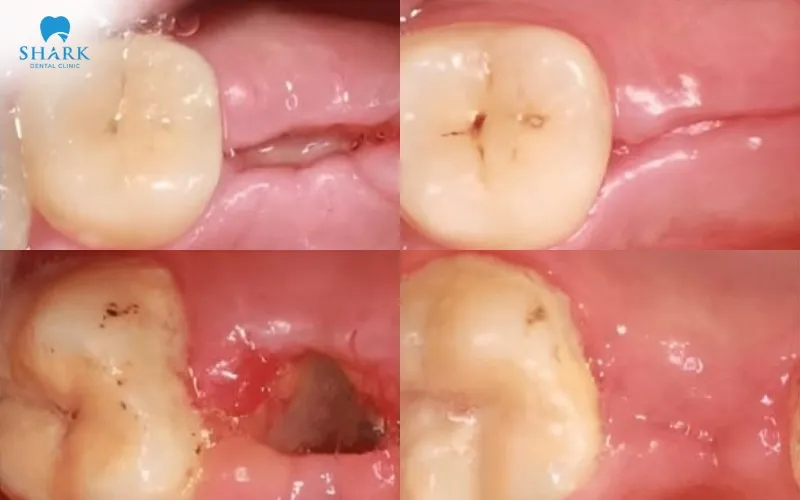
What is the process of wisdom teeth extraction recovery?
The healing process after wisdom tooth removal differs from person to person, depending on the complexity of the extraction case, individual healing ability, and post-treatment care. Understanding each stage of wisdom tooth extraction recovery can help patients take better care of the surgical site while minimizing the risk of unwanted complications during recovery from wisdom tooth extraction.
First week
This is the initial stage when the body begins forming a protective blood clot inside the extraction socket to support tissue healing and recovery. During the first few days, mild swelling, discomfort, jaw stiffness, or difficulty opening the mouth are considered normal reactions after wisdom tooth removal. However, by the end of the first week, these symptoms usually improve significantly, and many patients can gradually return to their normal daily activities.
During this stage of wisdom tooth extraction recovery, proper aftercare is extremely important:
- Brush your teeth gently with a soft-bristled toothbrush after the first 24 hours, while avoiding direct contact with the surgical area.
- Rinse gently with warm salt water to help keep the mouth clean and reduce bacteria buildup.
- Avoid using excessive force or touching the extraction site to prevent dislodging the blood clot, which is essential for proper recovery from wisdom tooth extraction.
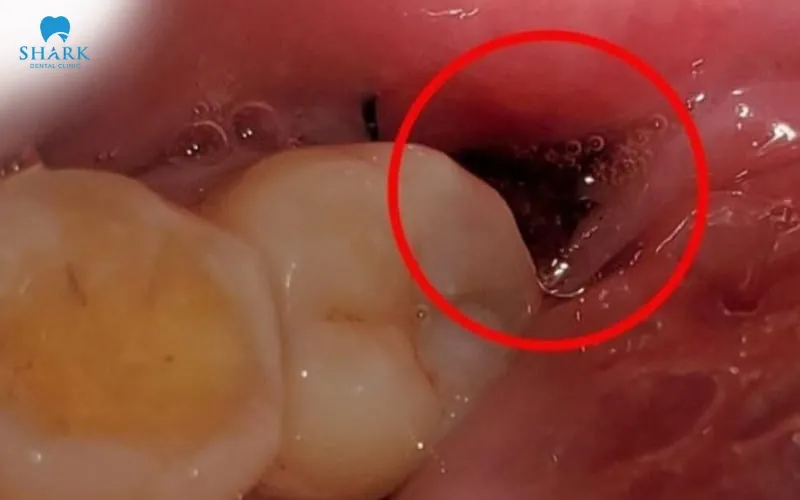
Two week
By the second week, the gum tissue usually shows much clearer signs of healing. Pain and swelling are typically reduced significantly, while chewing and opening the mouth become noticeably easier compared to the first few days after the extraction. During this stage of wisdom tooth extraction recovery, many patients commonly notice the following changes:
- Dissolvable stitches gradually begin to disappear after approximately 10–14 days.
- Jaw stiffness decreases, improving mouth movement when speaking or eating.
- Mild bruising around the cheeks slowly fades as the healing process continues.
- Slight sensitivity around the extraction area becomes less noticeable day by day.
At this point, most people are generally able to return to work, school, and normal daily routines. However, strenuous physical activities should still be limited if recovery from wisdom tooth extraction is not yet fully complete.
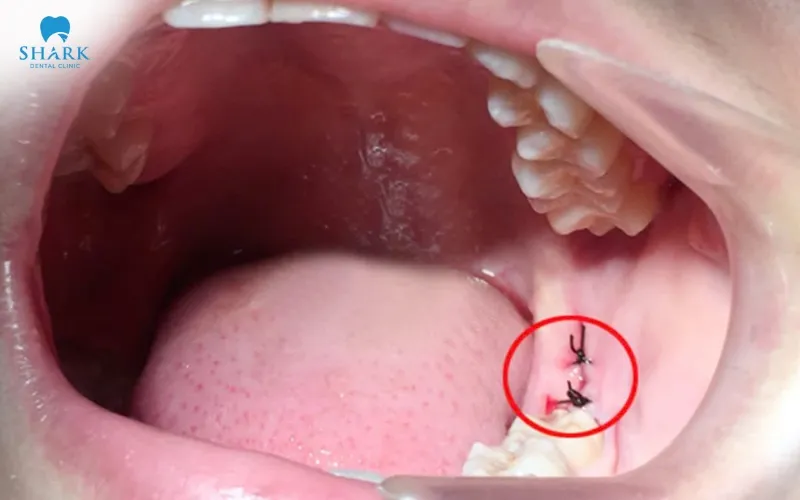
Three week
After approximately three weeks, the outer gum tissue has usually healed quite well, and the overall healing process becomes more stable. In cases involving impacted wisdom tooth extraction or teeth with multiple roots, the extraction socket may still contain a small visible gap, but the gum tissue is often healthy enough for patients to eat almost normally again.
Some individuals may still experience mild discomfort when chewing hard or crunchy foods. However, this is considered a relatively common part of wisdom tooth extraction recovery and generally improves gradually over time.

After one month
After about one month, the extraction area is usually much more stable, and the gum tissue has nearly healed completely. However, the jawbone underneath continues regenerating quietly over the following weeks or even several months in order to fully fill the space left behind by the removed tooth.
In most cases, around 2–4 months after the procedure, the bone socket gradually fills in, while the surrounding gum tissue becomes firmer and more stable. This is also the stage when the gum contour and underlying tissue structure continue refining and returning to a more natural condition as recovery from wisdom tooth extraction progresses further.

Tips for a faster recovery after wisdom tooth extraction
Proper oral care after wisdom tooth removal not only helps reduce pain and swelling but also supports faster healing of the extraction site while minimizing the risk of infection and potential complications. Following the right aftercare routine is extremely important for a smoother wisdom tooth extraction recovery and can help the healing process progress more comfortably and effectively. Below are several important tips to help support recovery from wisdom tooth extraction and promote better healing outcomes.
- Drink enough water every day. Staying properly hydrated helps the body recover more effectively and reduces the risk of dry mouth after the extraction procedure. However, patients should avoid carbonated beverages, alcohol, and excessively hot drinks, as these may irritate the surgical area and negatively affect recovery from wisdom tooth extraction.
- Patients should also avoid using straws because the strong suction movement may dislodge the blood clot at the extraction site. This can increase the risk of dry socket, one of the most common complications after wisdom tooth removal, and may significantly prolong wisdom tooth extraction recovery.
- After the first 24 hours, the mouth can be rinsed gently with warm salt water to help clean the oral cavity and reduce bacteria buildup. However, rinsing too forcefully should be avoided because it may interfere with the healing tissue around the extraction site.
- During the first few days, it is recommended to choose soft foods such as porridge, soup, yogurt, mashed potatoes, or other easy-to-swallow meals. This helps reduce pressure on the extraction area while making eating and chewing more comfortable throughout recovery from wisdom tooth extraction.
- Patients should also rest adequately and avoid intense physical activity. The body needs sufficient time to recover after oral surgery, so getting enough sleep, limiting strenuous exercise, and keeping the head slightly elevated while lying down can help reduce swelling more effectively during wisdom tooth extraction recovery.
- Following the dentist’s instructions carefully, including taking medication as prescribed, attending follow-up appointments on schedule, and monitoring for unusual symptoms, will help ensure a safer healing process while minimizing possible complications after wisdom tooth extraction.

Overall, the speed of wisdom tooth extraction recovery depends greatly on how well the extraction site is cared for at home. Proper aftercare can help the wound stabilize more quickly, promote faster healing, and reduce the risk of unwanted complications. With the information above, Shark Dental Clinic hopes patients can better understand the healing process and gain more useful knowledge and experience in protecting and caring for the extraction site effectively after wisdom tooth removal.
>>> See more: Can I eat fries after wisdom teeth removal?