
Porcelain veneers are one of the most popular methods used to restore teeth that are discolored, gapped, or uneven, helping them become more even, symmetrical, and noticeably brighter. During the process of considering this treatment, however, many people worry about whether do porcelain veneers stain over time and whether that discoloration might have any other effects on their teeth. Take a look at the information shared below to find out more!
Do porcelain veneers stain over time?
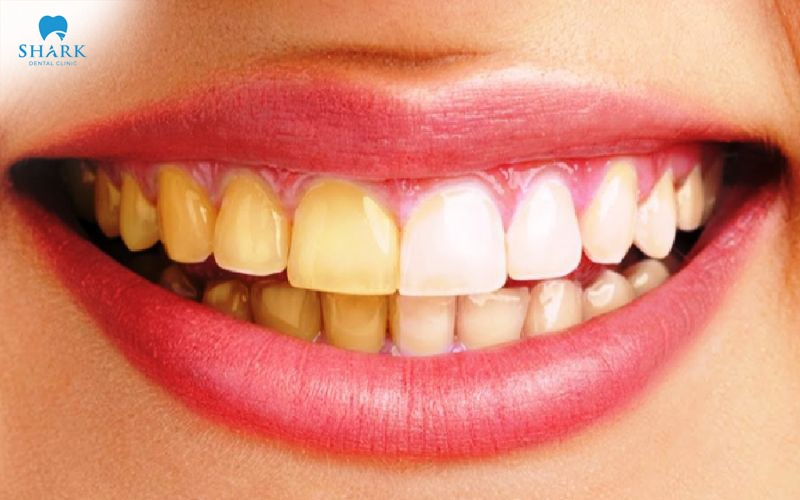
In reality, by their very nature, porcelain veneers do not turn yellow or become negatively affected simply from the passage of time. This is because they are made from dental ceramics with a smooth, glazed surface and high color stability, a material with an extremely strong, built-in resistance to plaque buildup and staining. That said, in certain cases, due to everyday habits or the way a person carries out their oral hygiene routine, discoloration may develop around the veneer margins, bonding resin, or adjacent natural teeth over time.
According to dental experts, for porcelain veneers to keep their beautiful, natural-looking color and to limit the risk of yellowing or other irritation, the placement procedure itself needs to be carried out correctly, following proper clinical principles, with a safe treatment process from start to finish. It’s equally important for patients to maintain proper daily oral hygiene and a consistent dental care routine, so that no unwanted or unsafe effects end up appearing on the veneers later on.
Why porcelain veneers resist staining better than natural teeth
Generally speaking, once porcelain veneers have been bonded onto the surface of the teeth, they display a high level of color stability and strong resistance to yellowing, largely thanks to the distinctive characteristics of the material’s structure. In fact, dental porcelain has a genuinely unique structure, owing to a number of specific factors, including the following:
- A smooth porcelain surface: Natural tooth enamel contains tiny microscopic pores, and it’s precisely these pores that absorb pigments from sources such as tea, tobacco, or coffee. Enamel is also considerably more prone to having food particles stick to it than most people would expect. Porcelain veneers, on the other hand, are finished with a fully glazed, glass-like surface that effectively blocks the molecules that would otherwise cause staining and other surface effects.
- Distinct material characteristics: Dental porcelain veneers are built from a structurally inorganic material, meaning this material will not oxidize over time, nor will it display the typical visible signs of gradual color change that other materials might show. As a result, any effects on the outer surface of the veneer are kept to an absolute minimum.
- A non-porous internal structure: As a general rule, porcelain veneer material does not possess a porous quality at all. Because of this, the surface consistently maintains its natural glossy shine and resists stain buildup far more effectively than would normally be the case with ordinary natural teeth.
Common causes of porcelain veneer discoloration
According to dental professionals, there are several different reasons why porcelain veneers may show signs of discoloration or experience other unwanted effects. In most cases, these changes are associated with factors such as the following:
- The quality of the veneer material itself: If a porcelain material that doesn’t offer a reliably high standard of quality is used during treatment, that lower-grade material will generally lack a strong ability to resist staining. As a result, after only a relatively short time, it’s likely to begin showing noticeable effects on its outer surface.
- Improper or inconsistent oral hygiene: Food particles and plaque that build up on the surface, combined with long-term dietary habits, will gradually lead to a considerable accumulation of bacteria around the veneers. If oral hygiene isn’t carried out correctly, if teeth aren’t brushed regularly enough, or if the overall care routine is inappropriate, this will cause the veneer surface to be affected in a number of undesirable ways.
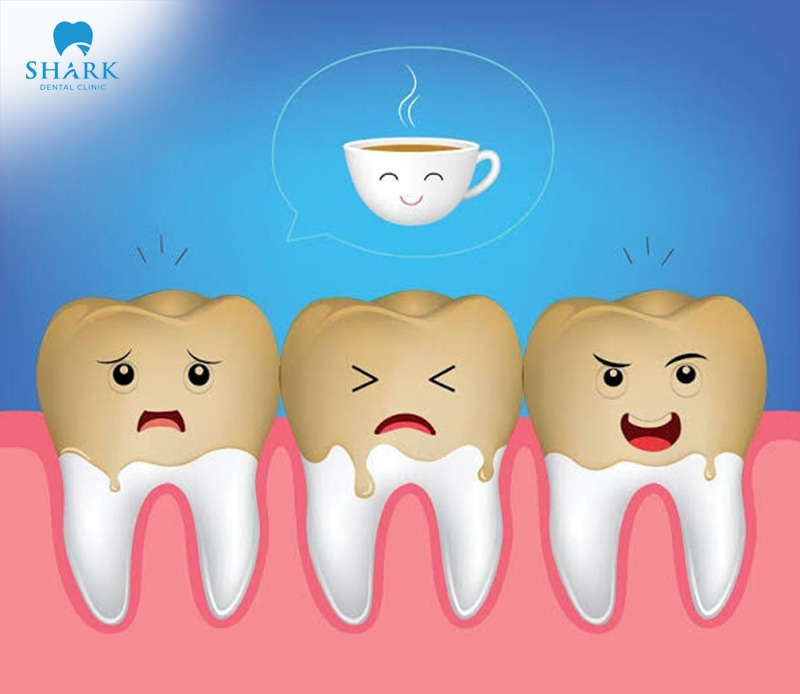
- Everyday dietary habits: If, after having veneers placed, a person continues to regularly eat strongly or darkly colored foods, or frequently drinks soft drinks, coffee, tea, or red wine, this pattern of consumption will noticeably affect the color of the tooth surface over time, and can also have a fairly significant impact on overall oral health.
- A technique that doesn’t meet proper clinical standards: If the placement procedure is carried out using a technique that isn’t sufficiently safe, or one that fails to properly follow the correct clinical process, the veneer surface may end up not fitting tightly against the underlying tooth, or may not be polished to a good enough standard. In situations like this, plaque is able to work its way in far more easily, causing additional effects to develop on the teeth over time.
Do composite veneers stain more than porcelain veneers?
According to dental experts, composite veneers tend to become yellowed and discolored considerably faster, and to a noticeably greater extent, compared with standard porcelain veneers. This difference comes down to the fact that composite material has an inherently more porous structure, meaning its surface absorbs color from everyday food and drinks far more easily. Porcelain veneers, by contrast, feature a fully glazed surface with genuinely strong resistance to color absorption, which significantly limits plaque buildup.
On top of that, composite veneers tend to come with a shorter overall lifespan, generally lasting around five to seven years, though they’re typically offered at a lower cost and can usually be completed quickly, often within a single office visit. Porcelain veneers, on the other hand, are strongly resistant to staining, and their durability can range up to around ten years or longer with proper care. For these reasons, this method continues to be chosen by many people, thanks to its natural aesthetic, its ability to limit unwanted effects, and its long-term durability.
Can you whiten porcelain veneers if they stain?
Once porcelain veneers have become discolored, they cannot be whitened in the same way as natural teeth because porcelain is a non-porous material that does not absorb whitening agents. However, plaque and surface deposits may be removed through professional cleaning and polishing, or the veneers can be replaced with new porcelain veneers if necessary.
To determine the exact condition of your veneers, you should visit a reputable dental clinic where a dentist can examine your teeth, assess the extent of the discoloration, and recommend the most appropriate and effective treatment option.
>>> See more: Can you whiten veneers?
How to keep porcelain veneers white and bright?
To maintain the bright, attractive appearance of porcelain veneers, the most important step is to follow a proper oral care and dental hygiene routine based on the instructions provided by your dentist.
Oral hygiene
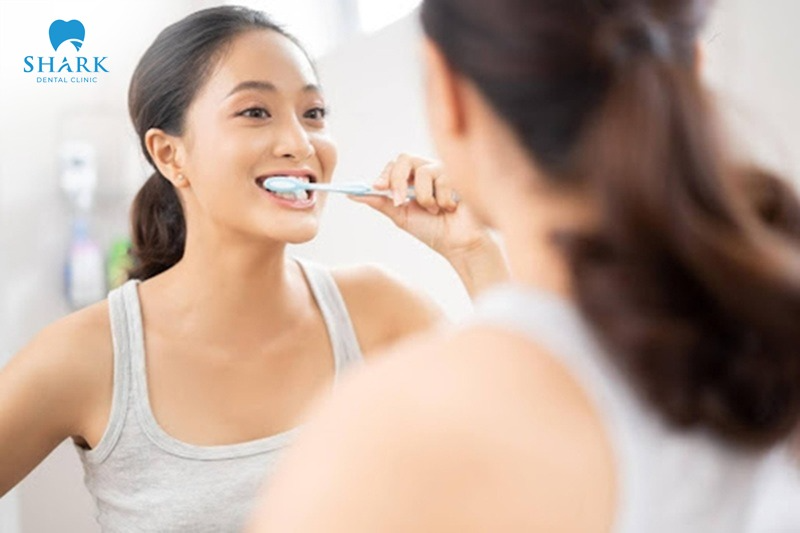
- Brush your teeth regularly: Brush your teeth at least three times a day. Use a soft-bristled toothbrush together with a safe, non-abrasive toothpaste. Avoid brushing too aggressively, as excessive force may affect and scratch the surface of the porcelain veneers.
- Use dental floss and a water flosser: After meals, remove food particles trapped between your teeth by using dental floss. This helps prevent bacteria from accumulating and causing unwanted effects. A water flosser can also be used as part of your daily oral hygiene routine.
- Rinse with salt water: Rinse with water or a mouthwash recommended by your dentist. Mouth rinsing should not replace brushing and flossing.
Diet and daily habits
- Limit strongly colored foods and beverages: During daily meals, avoid consuming foods and drinks with intense pigments, such as coffee, red wine, and carbonated soft drinks, to help reduce unwanted effects and minimize discoloration.
- Rinse your mouth after eating: Drink plain water and rinse your mouth after consuming dark-colored foods or beverages to help clean the veneer surfaces and reduce plaque accumulation.
- Avoid foods that are too hard or too chewy: After receiving porcelain veneers, avoid eating excessively hard or chewy foods, and do not use your teeth to open bottle caps, as these habits may affect both the veneers and your overall oral health.
- In addition to maintaining a healthy diet and proper oral care routine: You should visit your dentist every 3–6 months for regular dental examinations and professional scaling. Routine checkups help detect unusual changes early and allow your dentist to recommend the most effective way to maintain the condition and appearance of your porcelain veneers.
Foods and drinks that can affect veneer color
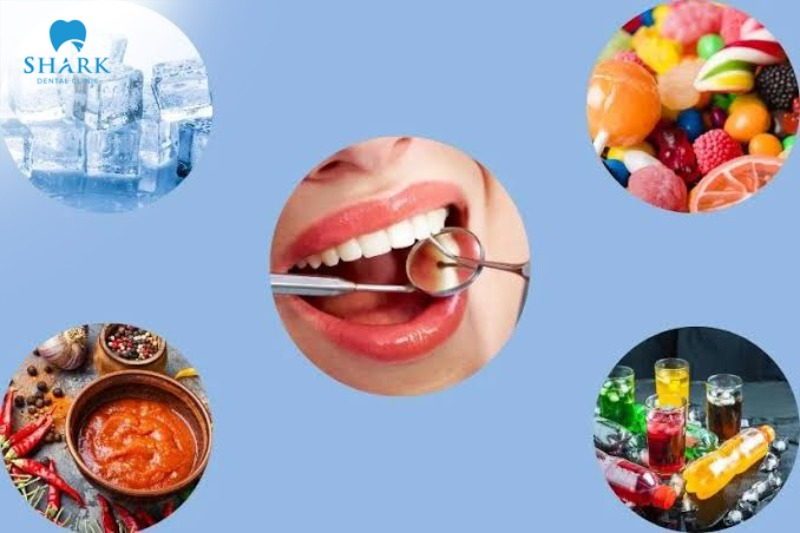
Although porcelain veneers are known to resist staining much better than natural teeth, do porcelain veneers stain under certain circumstances? Frequent consumption of strongly colored foods, highly acidic foods, or foods and beverages with high sugar content may still have undesirable effects on the veneer surface. Some of the foods and drinks that may affect the appearance of porcelain veneers include:
Dark-colored beverages containing stimulants
- Red wine, coffee, and black tea: These beverages contain acids, pigments, and tannins that can gradually darken and dull the bonding resin around porcelain veneers.
- Carbonated drinks: Soft drinks and other carbonated beverages contain artificial colorings and acidic ingredients that may erode the veneer bonding resin and negatively affect oral health.
- Tobacco: Tobacco contains nicotine, which can easily cause the surface of porcelain veneers to become yellow or discolored after prolonged use.
Dark-colored foods and seasonings
- Chili sauce and ketchup: Frequent consumption of strongly pigmented condiments may contribute to discoloration around the veneer margins or bonding resin.
- Blueberries and mulberries: Although these fruits are natural, their dark pigments can easily stain the edges of porcelain veneers.
When to replace or polish stained veneers
According to dental professionals, stained porcelain veneers should be replaced when they have undergone significant changes that affect both their appearance and normal chewing function. Common situations include:
- Severe discoloration or uneven staining: The veneers become noticeably dull, yellow, or unevenly stained due to the effects of food, tobacco use, or improper oral hygiene habits.
- Cracks, chips, or fractures: The porcelain veneers are no longer intact and have been damaged because of daily activities, accidents, or external impacts.
- Exposed veneer margins: The edge between the porcelain veneer and the natural tooth becomes exposed instead of remaining tightly sealed. These gaps allow bacteria to enter, increasing the risk of gingivitis, periodontal disease, tooth decay, and damage to the overall tooth structure.
- End of their service life: Porcelain veneers generally last around 10–15 years when they are properly cared for and maintained. After this period, replacing the veneers should be considered to reduce undesirable effects and help protect long-term oral health.
The question of do porcelain veneers stain has now been explained in detail throughout this article. Shark Dental Clinic hopes that the information shared by our dentists will help you recognize the early signs of porcelain veneer discoloration, understand how to care for your veneers properly, and seek timely treatment whenever you notice unusual changes in their appearance. If you have any further questions, please contact Shark Dental Clinic for prompt consultation and professional assistance.