

Although infection after a dental implant procedure is not especially common, it is a possibility that leaves many patients feeling anxious and uncertain. The article below will walk you through, in detail, the dental implant infection symptoms to watch for, the underlying causes behind them, and the most effective ways to manage the problem. Read on to find out more!
What is a dental implant infection?
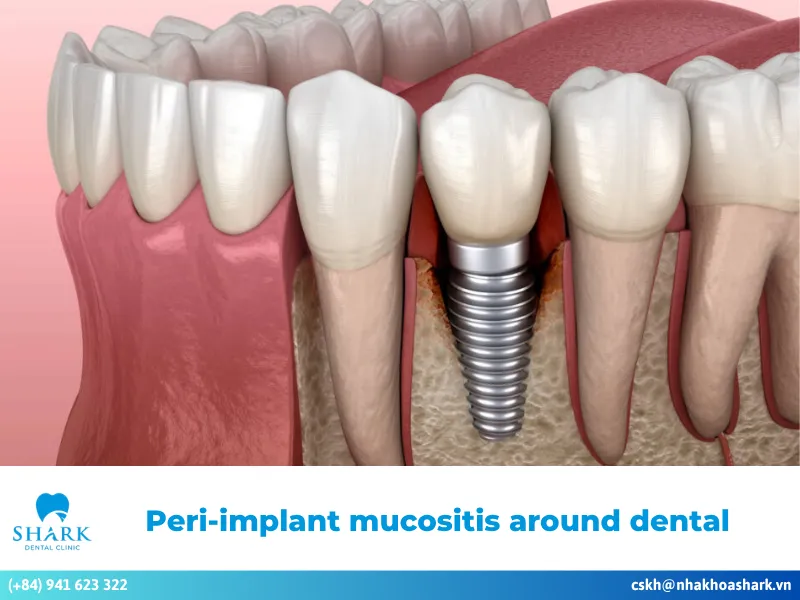
A dental implant infection is a condition in which bacteria that have lingered in the oral cavity over a long period attack the surrounding tissue, causing inflammation of the gum tissue around the implant post. If this inflammation is not addressed early, it can progress and destroy the surrounding jawbone, interrupting the implant’s osseointegration process and ultimately compromising the overall effectiveness of the restoration.
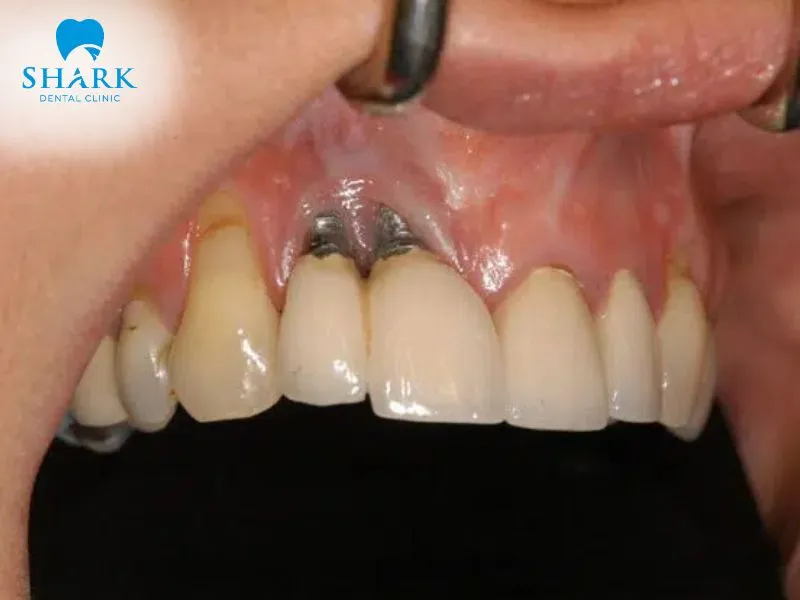
Dental implant infection symptoms to watch for
An infection following implant placement can develop quickly and aggressively, or it can progress slowly and quietly, depending on the specific case. Recognizing the warning signs as early as possible allows you to take timely steps to address the problem before it worsens.
Persistent pain or throbbing discomfort
If, after your procedure, you worry whether dental implants hurt abnormally and begin to experience pain that feels dull, lingering, and drawn out, or even pain that is sharp, severe, and comes in throbbing waves, you should treat this as a sign that requires caution. Pain caused by an infection following implant placement can radiate beyond the implant site itself, extending outward to the temple region, the top of the head, or the muscles of the jaw.
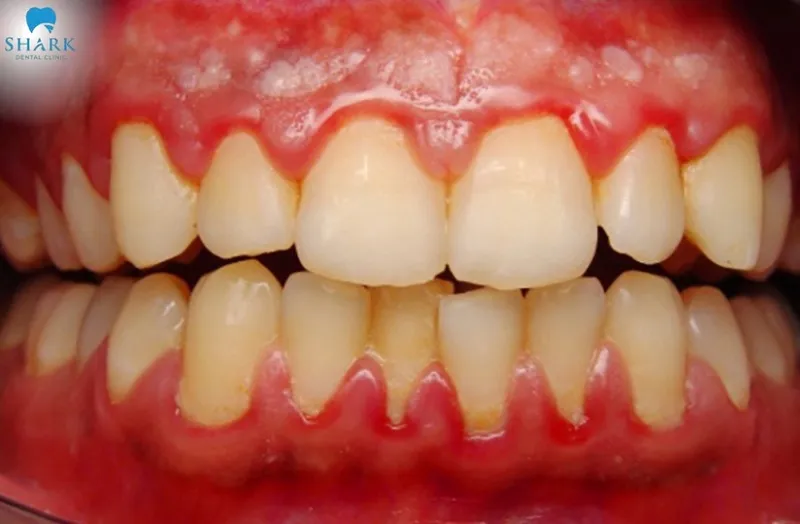
Swollen, red, or bleeding gums
An infection that develops after implant placement can cause the surrounding gum tissue to become swollen, red, and tender to the touch, or even to blister and bleed inside the mouth. These particular symptoms tend to be fairly easy to notice on your own, and they often cause considerable discomfort that gets in the way of eating and everyday activities.
Pus discharge and a persistent bad taste
When bacteria are allowed to accumulate inside the mouth over an extended period of time, pockets of infection can gradually form beneath the gum line. If these pockets are disturbed by outside pressure, such as brushing or chewing, they may eventually rupture, releasing a yellow or white pus with an unpleasant, foul odor. This unwelcome symptom does not only affect your sense of taste; it can also undermine your confidence and comfort during everyday social situations.
Loose or unstable implant sensation
After your implant has been placed, if the implant post begins to feel loose, fails to properly and fully integrate with the surrounding jawbone, or produces a persistent sensation of pressure, bulkiness, or discomfort, these clear symptoms of loose dental implant crown issues require prompt evaluation, as they may indicate peri-implant bone loss, loss of osseointegration, or loosening of a prosthetic component. Bacteria present within the oral cavity attack and gradually break down the bone tissue surrounding the implant post, which in turn causes the post itself to become unstable and shift.
Fever or a general feeling of illness
If an infection develops in the aftermath of implant placement, the body will naturally respond by activating its immune system, which can in turn trigger symptoms such as fever, fatigue, and a broader sense of feeling unwell. This should be regarded as a warning sign that the infection is actively spreading, and it means you should seek prompt professional examination and treatment without delay.

Common causes of dental implant infections
After a dental implant has been placed, a number of different factors can contribute to the development of infection in certain patients:
- Implant placement procedure: Many dental clinics fail to properly follow standard implant placement protocols or fail to maintain adequate levels of sterilization throughout the procedure, which can lead to dangerous cross-contamination.
- The dentist’s skill and level of experience: Some dentists with limited hands-on experience may place the implant post using improper implant positioning or excessive tissue trauma, which may compromise healing and increase the risk of complications.
- Oral hygiene habits: Many patients fail to maintain a consistent and thorough brushing routine after their implant has been placed, and this lapse in oral hygiene gives bacteria the opportunity to survive in the mouth and go on to cause infection.
- Lifestyle habits: Certain everyday habits, such as grinding the teeth, biting the nails, and smoking, are also common contributing factors that increase the overall risk of infection following implant placement.
- Underlying health conditions: People who live with underlying health conditions, such as a weakened immune system or poorly controlled diabetes, face a meaningfully higher risk of developing a dental infection than the general population does.

How dentists diagnose and treat an infected implant?
As soon as any signs of infection appear following implant placement, a dentist needs to carry out a thorough examination and carefully consider the most appropriate treatment measures without unnecessary delay.
Clinical diagnosis and digital imaging
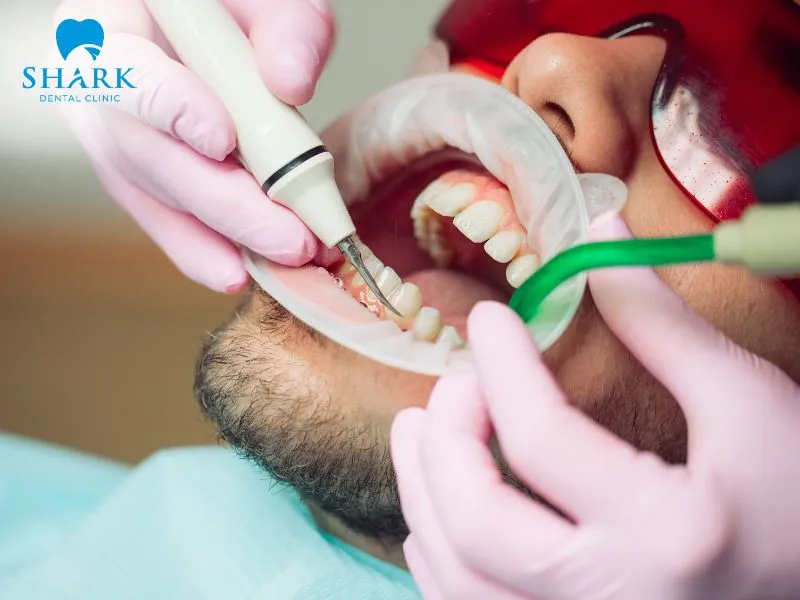
In order to properly assess the severity of an implant infection, the dentist will first carry out a comprehensive clinical examination of the affected area. In addition to this examination, the dentist will also take X-rays and make use of modern digital diagnostic imaging technology in order to closely examine the structure of the jawbone and accurately determine the extent of the inflammation occurring within the oral cavity.
photo
Professional treatment options
Based on the results of the examination, the dentist will carefully consider the situation and recommend the treatment approach that is most appropriate for the infection at hand.
For mild infections
- Cleaning the inflamed tissue: The dentist will remove tartar buildup or make use of specialized dental instruments in order to eliminate inflamed tissue and thoroughly clear away bacteria from the mouth, all without causing any damage to the implant post itself.
- Medication: The dentist will irrigate the affected area with an antiseptic solution in order to eliminate bacteria present in the mouth. In addition to this, antibiotics or anti-inflammatory medication may be prescribed when clinically indicated in order to further support the overall treatment process.
For more severe infections
- Cleaning the implant post: The dentist may need to carefully separate the gum tissue in order to expose the base of the implant post, which is where the infection is typically located. Once this area has been exposed, the dentist will thoroughly clean away all of the inflamed tissue surrounding the post’s base in order to remove the harmful bacteria present there.
- Bone grafting: In certain more severe cases, the dentist may recommend an artificial bone graft procedure in order to compensate for any jawbone loss that has occurred, which in turn supports the natural process of bone regeneration and helps the implant post become more securely and permanently anchored in place.
- Implant removal: If the surrounding jawbone has deteriorated to a severe degree and is no longer able to recover, and the implant has lost osseointegration or cannot be predictably maintained, then the old post must be fully removed, the underlying infection properly treated, and the entire implant procedure started over again completely from the beginning.
Effective ways to prevent implant infections
In order to help prevent infection from developing after implant placement, you may want to consider the following set of useful preventive measures:
- Oral hygiene and care: Make sure to brush your teeth at least two to three times every single day, taking care to brush gently and to use a soft-bristled toothbrush that has a small, rounded head.
- Rinse your mouth regularly: After your implant has been placed, you should rinse your mouth regularly with diluted saltwater or with a specialized antiseptic mouth rinse solution. Rinsing in this way helps to thoroughly clean the oral cavity while also supporting antibacterial action and reducing overall inflammation.
- Avoid smoking: After your implant procedure, you should make every effort to give up the habit of smoking entirely. Tobacco products contain nicotine, an active compound that slows down the body’s natural healing process and meaningfully increases the risk of infection developing inside the mouth.
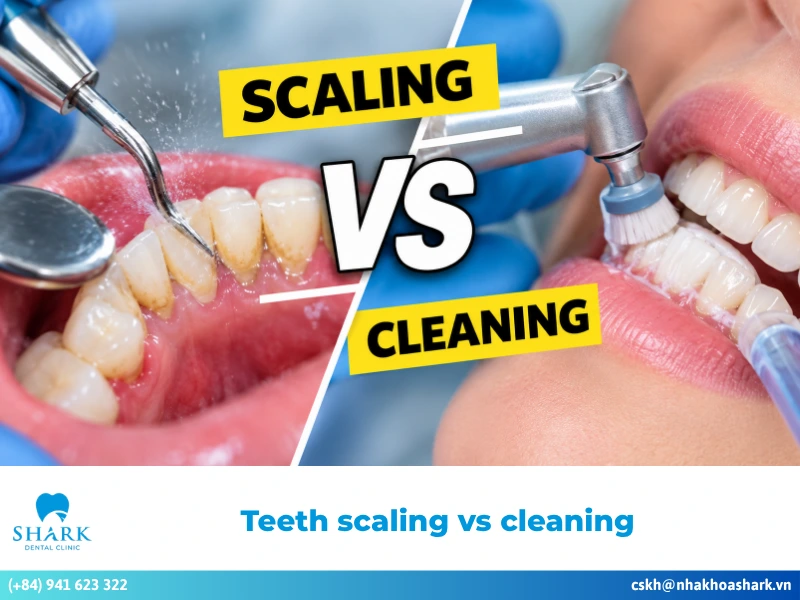
- Schedule regular dental cleanings: Be sure to have tartar professionally removed on a periodic basis, or according to your dentist’s specific recommendations. Plaque and tartar buildup create an especially favorable environment in which bacteria can survive and go on to cause infection.
- Use a night guard for teeth grinding: If you have a habit of grinding your teeth while you sleep, it is worth considering the use of a properly fitted night guard. This type of dental appliance can significantly reduce the amount of pressure placed on the implant post throughout the night, helping to protect the implant-supported restoration from excessive forces.
- Manage underlying health conditions: In order to help prevent infection from developing, you should work to properly manage and effectively treat chronic health conditions such as cardiovascular disease, high blood pressure, and diabetes.
Recognizing dental implant infection symptoms both early and accurately allows for treatment that is timely and genuinely effective. We hope that the useful information contained in this article has given you additional knowledge about how to properly care for your mouth after implant placement, helping you maintain a healthy and beautiful smile for years to come.