
Porcelain veneers are a cosmetic dental treatment used to improve the appearance of teeth, commonly applied in cases involving gapped teeth, discolored tooth structure, or teeth that are uneven, crooked, or otherwise poorly aligned. During the process of learning about and considering this treatment, a great many people find themselves wondering: Do veneers come off? Can they actually be removed once placed, and could doing so cause any harm to overall oral health?
Do veneers come off easily?
According to dental experts, porcelain veneers are not particularly prone to coming off easily, provided that the procedure is carried out by a dentist with genuine expertise, that a rigorous clinical process is followed from start to finish, and that the technique applied meets a proper, recognized safety standard.
In reality, applying porcelain veneers is a modern treatment technique that involves using an ultra-thin ceramic shell, which is bonded directly onto the surface of the natural tooth. Beforehand,a minimal amount of enamel may be removed to help ensure the veneer adheres securely on the inside, and to help limit the effects that everyday eating and drinking might otherwise have on that bond over time.
Veneers are not especially likely to come loose or be negatively affected, so long as they aren’t subjected to any unusually strong external force, and so long as the placement procedure itself was carried out using the correct professional technique. In the event that a veneer does happen to come off, it’s important to visit a reputable, trustworthy dental clinic as quickly as possible, so that you can be examined directly by a dentist with the appropriate professional expertise.
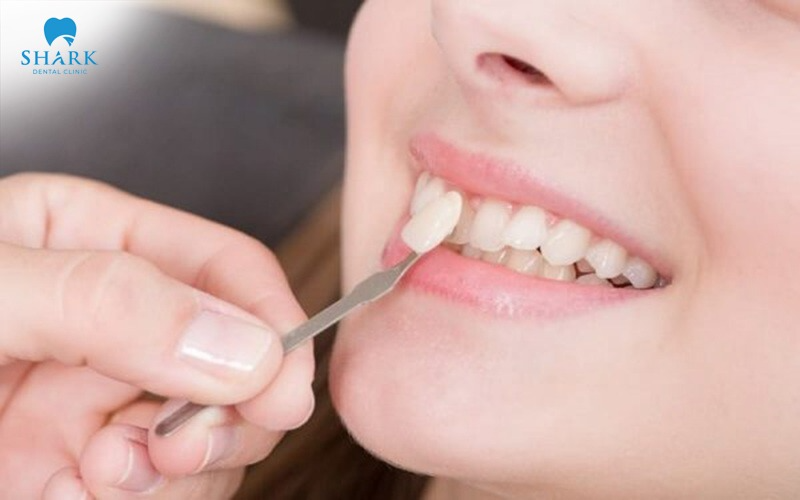
Why do veneers come off?
There are a number of different underlying reasons why a porcelain veneer might come loose or fail to stay firmly and securely in place on the tooth surface, and for the most part, these come down to factors such as the following:
Veneer placement technique
When placing a veneer, if the dentist doesn’t prepare and treat the tooth surface with sufficient precision, this can result in the veneer failing to bond firmly and securely onto the underlying tooth. The same issue can also arise if an unsuitable dental bonding system or resin cement is used during the procedure, or if the dentist performing the work doesn’t yet have a solid, well-established level of skill. As a result, once the procedure has been completed, the veneer becomes considerably more prone to coming loose and, in turn, affecting overall oral health.
Daily eating and lifestyle habits
If, after getting veneers placed, a person frequently eats foods that are excessively hard, uses their teeth to pry open bottle caps or packaging, or otherwise subjects the veneer to unusually strong external force on a regular basis, this will gradually have a cumulative effect that eventually causes the veneer to loosen and come off, leading to a range of unwanted consequences.
Improper oral care and hygiene
Failing to care for your teeth on a consistent basis, brushing far too aggressively, or not cleaning your teeth thoroughly enough will, over time, lead to a considerable buildup of plaque and bacteria around the base of the teeth. Left unchecked, this gradually creates visible signs of irritation and can go on to cause gum inflammation or periodontal disease, both of which can end up having a direct effect on the veneer itself.
Common warning signs that a veneer is coming loose?
Generally speaking, when a veneer is about to come off, this tends to be accompanied by a number of fairly basic warning signs that are relatively easy to recognize. Using nothing more than your own eyes or your own sense of touch and feel, you’re fully capable of detecting these signs yourself, and of putting together an early plan of action before the situation gets any worse.
- Looseness on the tooth surface: A properly bonded veneer forms a single, unified structure together with the underlying tooth. When it’s about to fall off, it will begin to feel noticeably loose, which can affect ordinary daily activities such as eating, chewing, and even speaking.
- A bulky or uneven feeling: The veneer may feel raised, uneven, or unstable when biting in places, which affects the process of eating and drinking, so that the overall tooth structure no longer feels unified and instead leaves a bulky sensation while chewing.
- Food getting stuck on the teeth: When a veneer is about to come loose, it inadvertently creates small gaps around its edges, which in turn makes it far easier for food to become trapped there, creating favorable conditions for bacteria to develop and multiply.
- Sensitivity and discomfort: Once the edges of the veneer surface become exposed, the ordinary process of eating and drinking may end up triggering a sensation of sensitivity, along with mild aching pain.
- Dental infection: Bacteria are able to settle in around the gum area and the surrounding parts of the tooth, which can lead to unpleasant odors while also causing irritation and, eventually, infection.
- Bad breath: The odor-causing buildup that accumulates in the small gaps and plaque around a loosening veneer can cause irritation and lead to persistent bad breath, a sign that’s also fairly easy to notice during ordinary, everyday life.
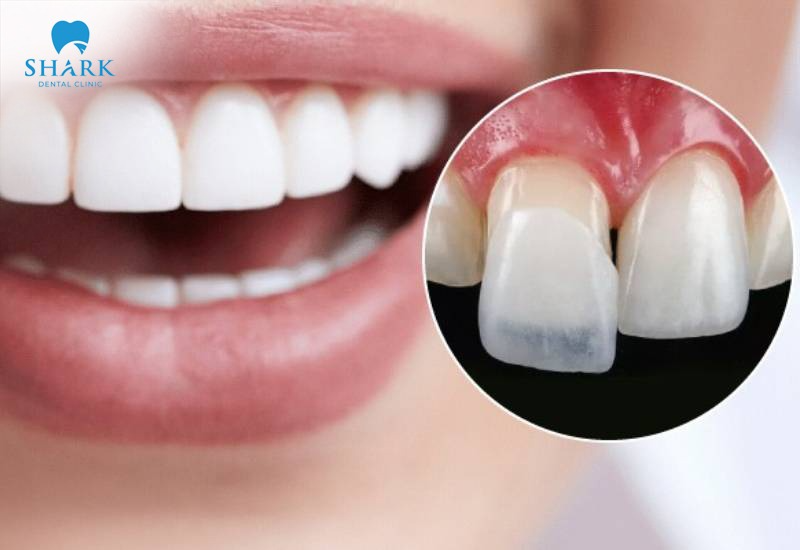
What should you do if a veneer comes off?
If, during the ordinary course of your daily life, a porcelain veneer unfortunately happens to come off, handle it carefully by the edges, store it in a clean protective container, and do not attempt to reattach it yourself.
A veneer that has come off will inevitably affect the natural tooth underneath it, impacting both the chewing process and everyday activities more broadly. At this point, it’s important to visit a reputable dental clinic as soon as possible, so that a dentist can examine the tooth directly, assess the overall condition of your oral health, and come up with the fastest and most effective treatment plan available.
In cases where the veneer itself is still in good physical condition and can still be reused, the dentist will typically use a specialized dental adhesive to re-bond it back onto the tooth surface, restoring normal chewing function as well as the tooth’s natural aesthetic appearance.
If, on the other hand, the veneer has cracked, broken, or no longer meets the necessary quality standard for continued use, the dentist will instead go ahead and place a brand-new veneer onto the tooth surface, securing it firmly in place so that everything remains unified, while limiting any further impact on the structure of the natural tooth underneath.
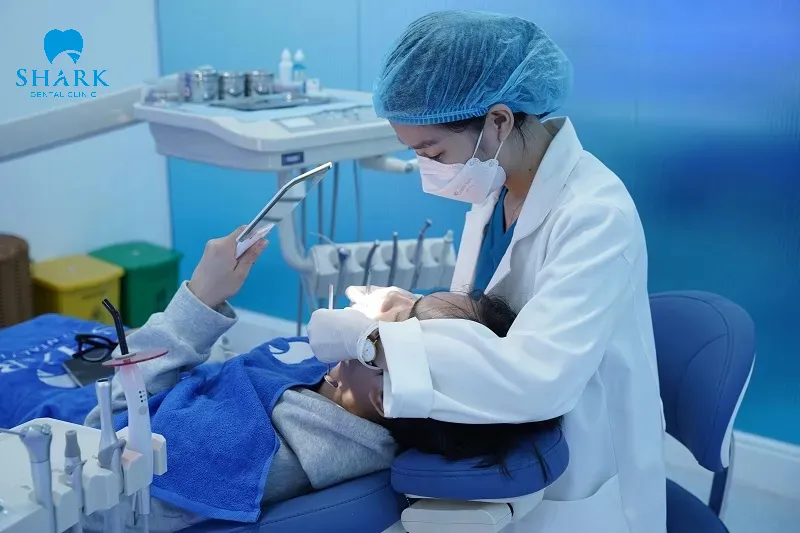
The entire veneer placement process, from start to finish, is carried out safely within a fully sterile treatment room, which helps ensure that no harm comes to your oral health, while also helping the finished veneer surface look balanced, proportionate, and naturally beautiful.
Daily habits that protect dental veneers
To help keep your veneers strong and durable over the long term, it’s important to pay close, ongoing attention to oral care and hygiene, as well as to consistently follow a number of proper daily habits, such as the following:
Oral hygiene
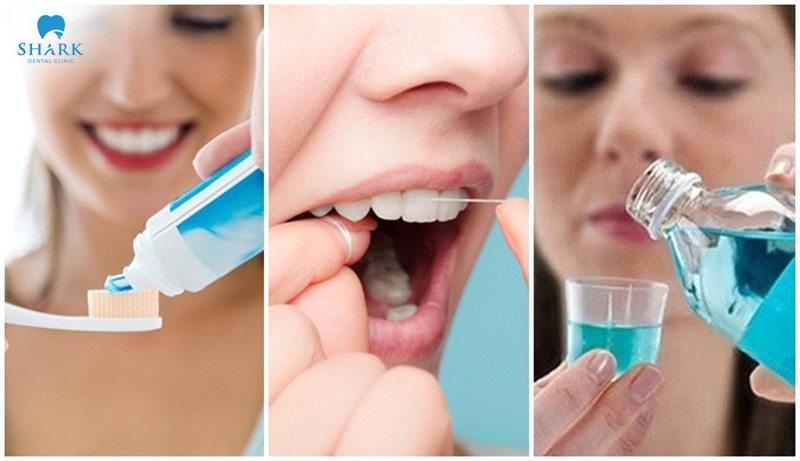
- Make sure to maintain a consistent oral hygiene routine and brush your teeth every single day without fail. While brushing, it’s best to use a toothbrush with soft, gentle bristles, since this helps limit unnecessary irritation and allows the veneer surface to remain durable and intact over a much longer period of time.
- Clean thoroughly between your teeth using dental floss on a regular basis, which helps avoid irritation around the gumline and prevents the veneer from becoming loose or otherwise negatively affected.
- Choose a toothpaste that’s genuinely appropriate for veneers, and be sure to avoid any toothpaste that contains strong abrasive agents, since these can gradually wear down and affect the veneer surface over time.
Eating and lifestyle habits
- Avoid eating foods that are excessively hard or overly tough and chewy, since doing so repeatedly can end up affecting the veneer, and never use your teeth as a tool to open packaging or pry off bottle caps.
- Limit how often you consume darkly colored foods and beverages, which helps prevent the risk of discoloration developing at the margin where the veneer meets the natural tooth.
- If you grind or clench your teeth, your dentist may recommend wearing a custom night guard to help protect your veneers.
In addition to all of the factors mentioned above, in order to properly protect your veneers over time, it’s also worth prioritizing regular dental checkups roughly once every six months, so that any unusual or unexpected effects can be detected early and addressed with the most appropriate course of treatment.
We hope that the information in this article addressing “do veneers come off” has helped you gain a better understanding of how to care for them and how to maintain proper oral hygiene, so that your veneers can last as long as possible. If you have any further questions at all about caring for your veneers, please don’t hesitate to reach out to the team of dentists at Shark Dental Clinic for the fastest, most helpful advice and support.
>>> See more: How long do porcelain veneers last?