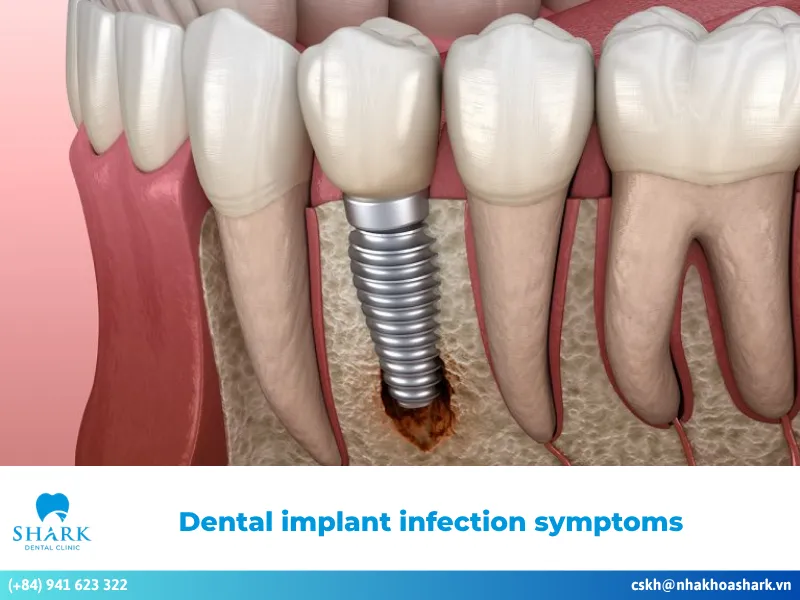

Porcelain crowns have a natural-looking color and excellent durability, helping create a brighter, more even smile. However, while using porcelain crowns, some people may develop an allergic reaction that affects their oral health, comfort, and daily activities. In the following article, Shark Dental Clinic will provide detailed information about common porcelain crown allergy symptoms and the possible causes of these reactions!
Can you be allergic to porcelain crowns?
Yes, it is entirely possible to develop an allergic reaction or experience unusual symptoms after receiving porcelain crowns. Although this type of reaction is considered relatively rare, it may still occur in people with hypersensitivity to specific dental materials. It may also happen when the porcelain crown or other dental materials used during the procedure do not meet appropriate quality standards.
A porcelain crown allergy should be detected as early as possible and treated promptly. Without timely attention, the condition may cause persistent discomfort and other symptoms that interfere with eating, speaking, and normal daily activities. In some cases, a prolonged allergic reaction may cause persistent irritation or inflammation, which can pose a serious risk to the patient’s overall oral health.
Common porcelain crown allergy symptoms
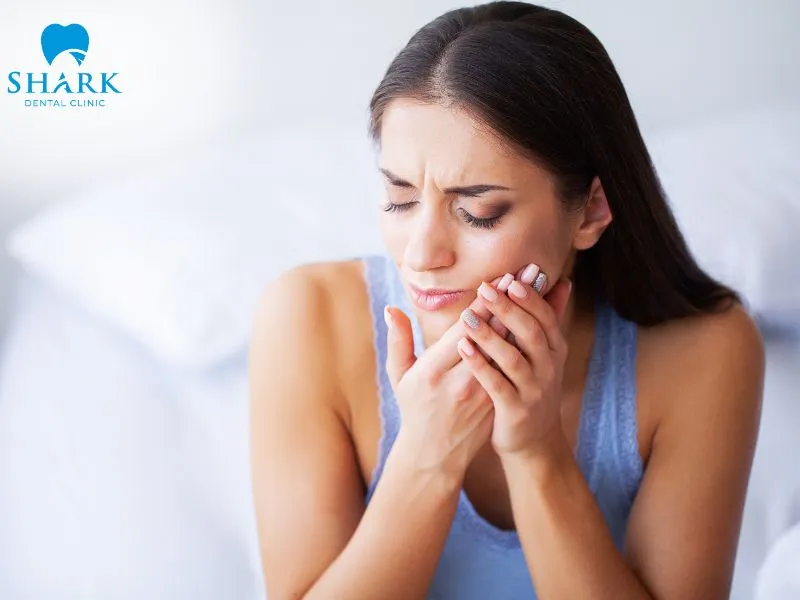
After receiving porcelain crowns at a dental clinic, some patients may experience several typical signs of an allergic reaction. The most common porcelain crown allergy symptoms may appear directly in the mouth and surrounding gum tissues, as described below:
Localized symptoms in the mouth
- Tooth pain and sensitivity: A persistent dull ache in the crowned tooth or a strong, sharp sensitivity when the tooth comes into contact with hot or cold foods may indicate an allergic reaction after porcelain crown placement. This discomfort may occur repeatedly and can make normal eating and drinking more difficult.
- Red and swollen gums: After receiving porcelain crowns, some people may experience prolonged redness and swelling in the gum tissue around the treated tooth. In certain cases, the gums may also bleed, causing ongoing discomfort and negatively affecting everyday oral activities.
- Itching or tingling sensations: If you frequently notice itching in the gums or a tingling, prickling sensation inside the mouth after porcelain crown placement, you may be allergic to one of the dental materials used during the treatment. These sensations may remain localized around the crowned tooth or nearby gum area.
- Pus formation: A prolonged allergic reaction to a porcelain crown may eventually lead to severe inflammation or infection. One of the most noticeable signs is the presence of pus inside the mouth. The pus may appear white or yellow and may also produce an unpleasant odor.
- Gum recession: When the gum tissue becomes irritated or develops an allergic reaction, it may begin to contract and recede. A recognizable sign is that the gums gradually pull away from the crowned tooth, exposing the edge of the porcelain crown. This can significantly affect the overall appearance and aesthetics of the smile.
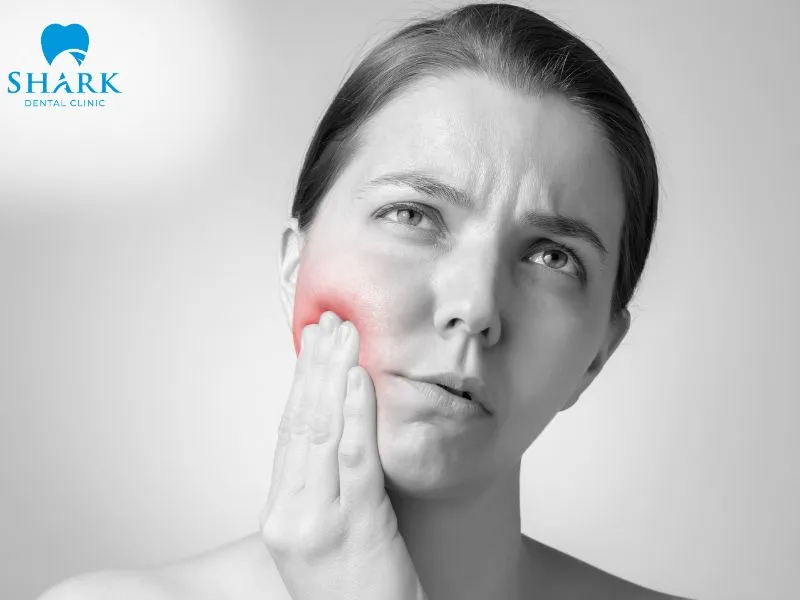
Systemic reactions throughout the body
- Rashes and skin eruptions: One of the most common systemic porcelain crown allergy symptoms is the appearance of skin rashes or raised red patches. This reaction occurs because the immune system responds to inflammatory triggers, causing sensitive areas of the skin to develop visible irritation or a rash.
- Swelling: In some cases, patients who develop an allergic reaction after porcelain crown placement may experience swelling around the lips, eyelids, or other areas of the face. In more noticeable cases, the swelling may affect almost the entire face and cause considerable discomfort.
- Taste disturbances: Many people with a porcelain crown allergy may notice changes in their sense of taste. Food may taste unusually bitter, and saliva production may become abnormal or different from usual.
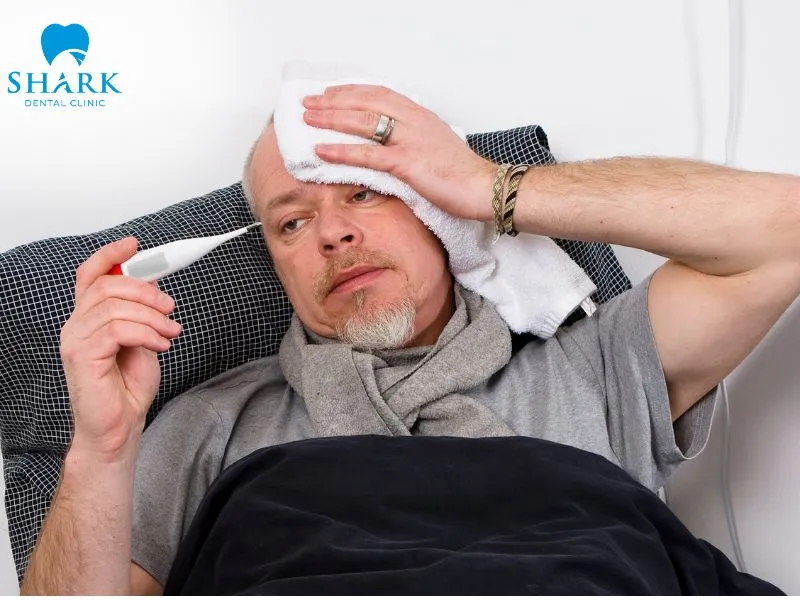
- Fever and swollen lymph nodes: When a porcelain crown allergy persists and is accompanied by inflammation or infection, the patient may develop a fever. Swollen lymph nodes may also appear around the neck or jaw area as the body responds to the ongoing inflammatory condition.
What actually causes these allergic reactions?
Porcelain crowns can be manufactured from several different materials, including pure porcelain, metal, and other dental components. These materials may trigger certain allergic or irritating reactions, particularly in people with sensitive teeth, gums, or oral tissues.
Metal alloys in porcelain fused to metal crowns
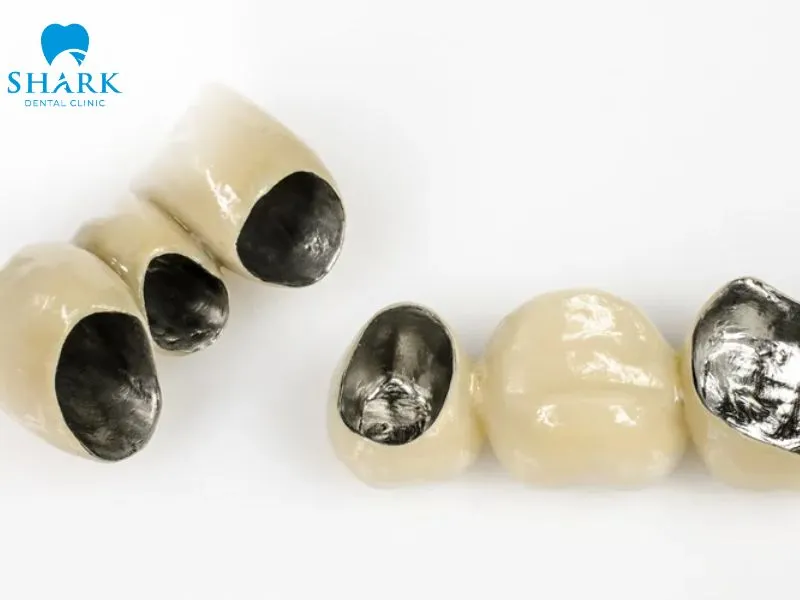
The metal alloys used in porcelain fused to metal crowns are considered one of the leading causes of allergic reactions inside the mouth. The oral environment contains various acids from foods as well as bacteria. When these factors come into contact with metal, they may cause oxidation, which can then contribute to irritation and common allergic symptoms.
- Nickel allergy: In dentistry, nickel is considered the metal most commonly associated with allergic reactions. Typical symptoms may include itching, swollen gum tissue, and ulcers around the base of the tooth or near the crown margin.
- Oxidation around the gumline: Certain metal ions may oxidize when they come into contact with gum tissue. This process can contribute to periodontal inflammation and may also cause the porcelain crown to become darker or discolored over time.
- Electrical potential differences: When metal alloys remain in the oral cavity for a prolonged period, they may create differences in electrical potential. This can lead to tingling or prickling sensations, as well as a persistent dull ache in the affected tooth.
Dental cement and bonding materials
In addition to the metal alloy components, some patients may also be allergic or sensitive to the materials used to bond porcelain crowns to the natural teeth. Several possible causes are described below:
- Some low-quality dental adhesives may contain active ingredients that release mild toxic substances. These components can irritate the gum tissue, especially in patients with particularly sensitive teeth and gums.
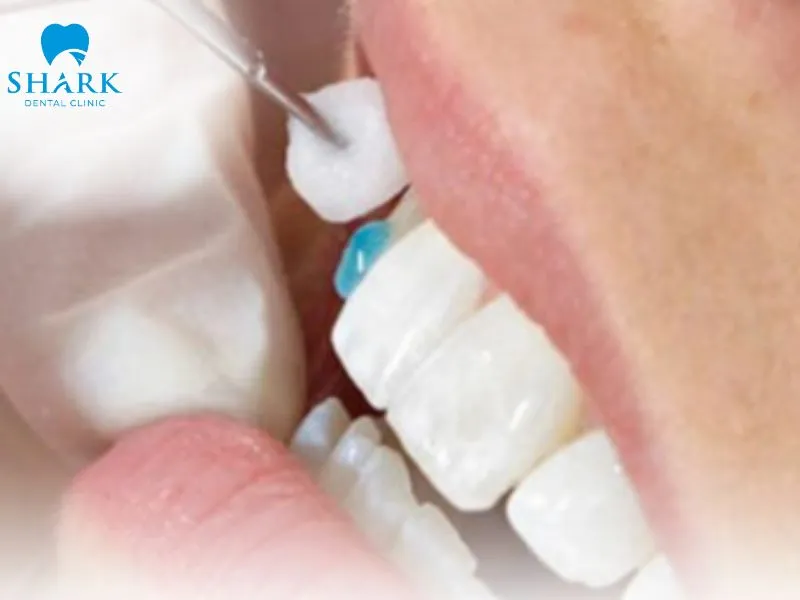
- During porcelain crown placement, if the dentist does not work carefully and excess dental cement accumulates between the crown and the gumline, it may damage the surrounding soft tissue. This irritation can then lead to several porcelain crown allergy symptoms.
- A porcelain crown that is made in an unsuitable size may leave a gap between the crown and the natural tooth. This space allows dental cement to collect more easily, absorb moisture, and cause symptoms such as tooth pain, aching, or increased sensitivity.
How dentists diagnose a dental crown allergy?
To accurately diagnose an allergic reaction to a porcelain crown, the dentist must first carry out a thorough dental examination and carefully review the patient’s history of allergies. The dentist will also assess the extent of any damage or irritation inside the oral cavity while ruling out other possible causes, such as tartar buildup, gingivitis, periodontal disease, or similar dental conditions.
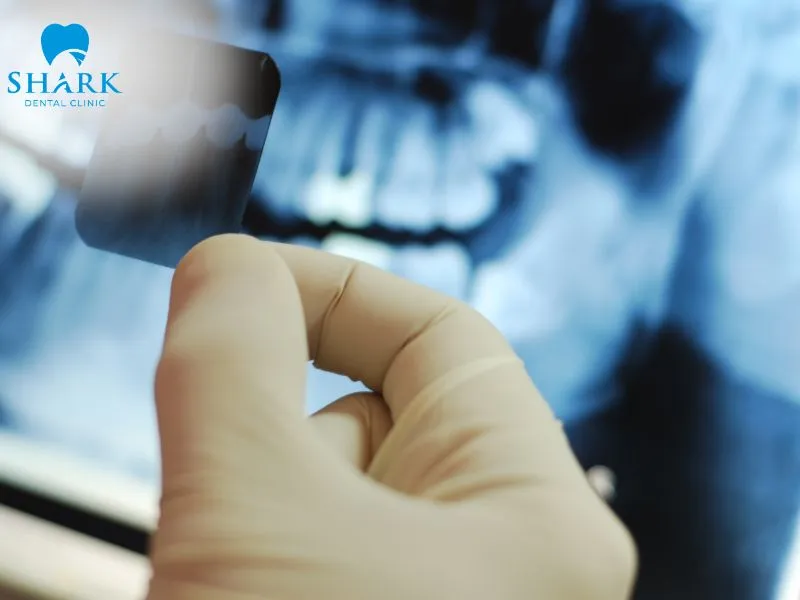
In cases where the allergic reaction is more severe, the dentist may consider ordering blood tests together with dental X-rays. These examinations can help identify the possible cause of the allergy and evaluate the extent of any damage to the surrounding tissues or jawbone. Once an accurate diagnosis has been made, the dentist can recommend the most appropriate treatment and take timely action to control the condition.
Treatment and safe alternatives for sensitive patients
Once a patient has been accurately diagnosed with a porcelain crown allergy, the dentist will determine the most suitable treatment based on the specific cause and severity of the reaction. Treatment may involve relieving the immediate symptoms, removing potential irritants, or replacing the existing crown with a safer material.
Managing immediate allergic symptoms
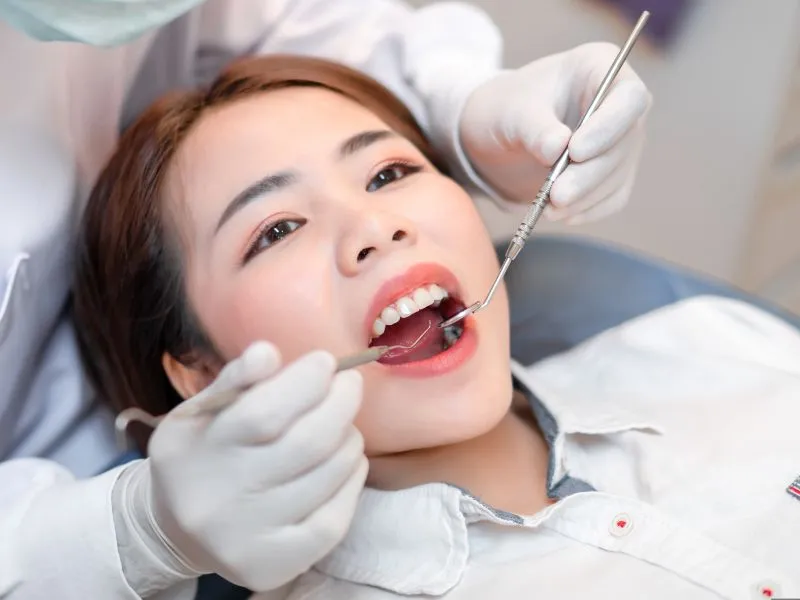
To help reduce the discomfort the patient is experiencing, the dentist will thoroughly clean the oral cavity and provide appropriate treatment for the current symptoms.
- The dentist may perform a deep cleaning of the mouth using specialized dental instruments. Some patients may require professional tartar removal, while any excess dental cement around the crown will also be carefully cleaned away when present. Food debris and plaque trapped between the teeth or around the tooth roots will be removed completely to reduce irritation and protect the surrounding gum tissue.
- For patients experiencing tooth pain, swollen gums, pus discharge, or similar symptoms, the dentist may consider prescribing pain relievers, anti-inflammatory medication, or anti-allergy medication. These medications are intended to ease the discomfort and help control the porcelain crown allergy symptoms currently affecting the patient.
- In cases of a severe allergic reaction or significant gum recession, the dentist may need to remove the porcelain crown immediately. The surrounding gum tissue will then be thoroughly cleaned, and any existing infection will be treated appropriately.
Replacing the crown with metal free options like Zirconia or Emax
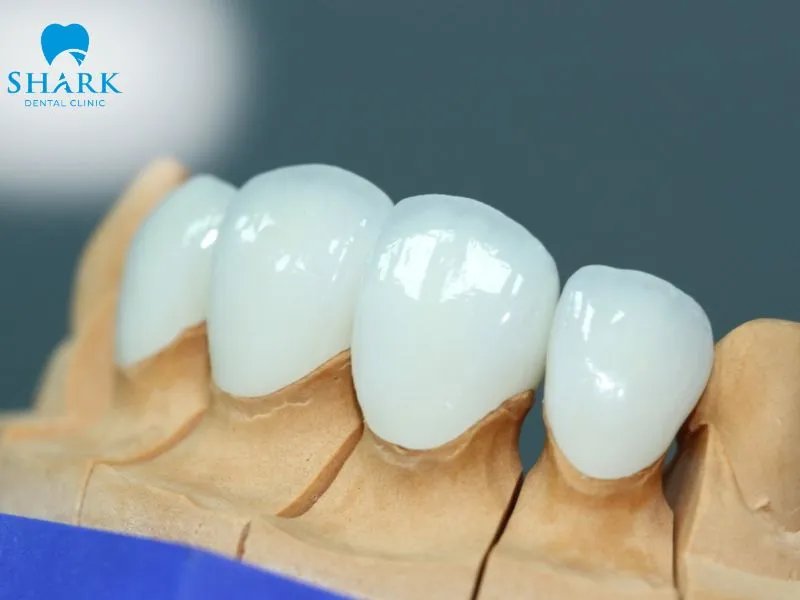
When the allergic reaction is caused by the metal components inside the crown, the most suitable solution is usually to replace it with an all-ceramic option such as Zirconia or Emax. These metal-free crowns are commonly considered more appropriate for patients with sensitive oral tissues or a known allergy to dental metals.
- Zirconia: Zirconia crown is a high-quality all-ceramic crown material known for its excellent strength, durability, and ability to withstand strong biting forces. It does not oxidize or cause dark discoloration along the gumline during use, making it a suitable option for patients with sensitive teeth, gums, or oral tissues.
- Emax: Emax crown is a glass-ceramic crown material valued for its excellent translucency and high level of biocompatibility. It has a very low likelihood of causing an allergic reaction while also meeting demanding aesthetic requirements. Its natural appearance makes it especially suitable for patients who want both safety and an attractive smile.
In summary, porcelain crown allergy symptoms should be identified as early as possible so that the underlying cause can be determined and treated promptly. Recognizing the warning signs and receiving the correct treatment can help you maintain healthy, attractive teeth and a bright, confident smile. Remember to contact Shark Dental Clinic for professional advice about high-quality porcelain crown options that may be suitable for your individual dental needs!
>>> See more: Alternatives to dental crowns