

In dental restoration, the implant analog ensures a precise framework fit, enhancing durability and aesthetics. This essential tool makes implant restoration faster and more efficient. Explore key insights about implant analogs and their treatment benefits in this article!
What is an implant analog?
An implant analog is considered a laboratory component designed to reproduce the prosthetic connection of an implant or abutment in a working model, and it plays an important role in dental restoration. It also serves as an essential tool for fabricating porcelain crowns and dental bridges, helping the entire restoration process achieve a consistently high level of precision from start to finish.
Because the implant analog is able to reproduce the implant connection and its recorded position in the working model, it is applied effectively in tooth restoration, ensuring high precision, good aesthetics, and a natural, comfortable chewing function as intended.
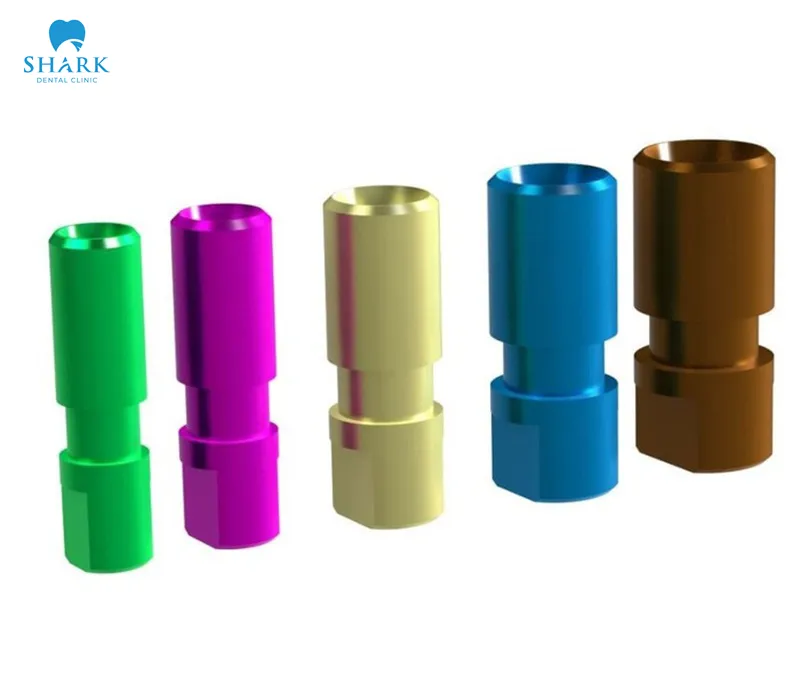
The technical role of implant analogs in the laboratory
The implant analog is applied widely and in a highly specialized way, playing many important roles throughout the entire tooth restoration process.
Reproducing the recorded implant position on a master cast
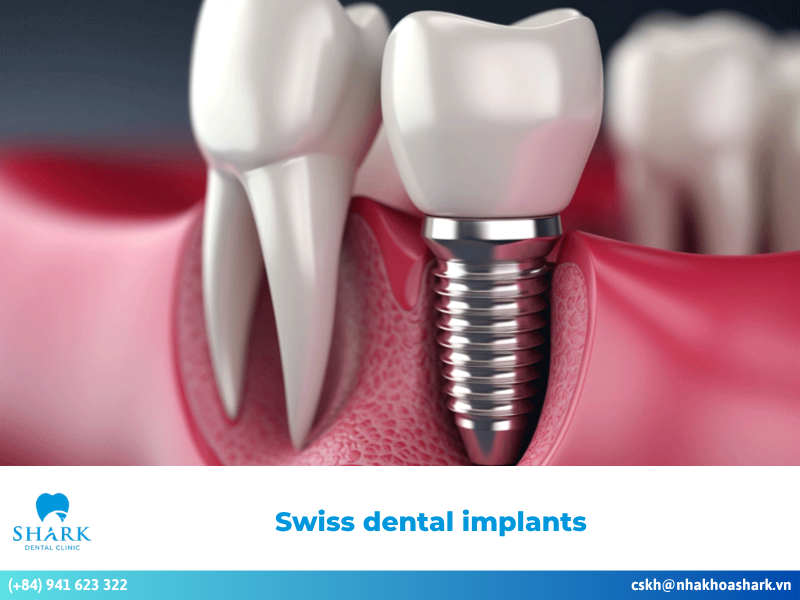
The implant analog accurately simulates the shape and size of the actual implant, which allows the dental technician to fabricate and assess implant-supported restorations that fit precisely, consistently, and comfortably into place.
During the tooth fabrication process, the implant analog is attached to the jaw model in order to determine the exact position and angle of the restoration. This step is extremely important, both for ensuring technical accuracy and for achieving the overall aesthetic result that patients expect.
Securing the exact position and orientation of the implant
During the process of implant restoration, the analog plays an important role by reproducing the implant position recorded through a conventional impression or digital scan and supporting laboratory evaluation of the restoration before the restoration is finally attached to the implant. As a result, the restoration can be evaluated for fit, contacts, and occlusion before clinical placement, function naturally, and sit in proper balance with the natural teeth surrounding it.
Providing a stable base for abutment and crown fabrication
When the implant analog is used correctly throughout the restoration process, technicians are able to fabricate a crown that fits together more precisely and comfortably. If the analog is not used the right way, the resulting crown may end up misaligned or poorly fitted, which can affect the gums and ultimately prevent the restored tooth from performing its intended function properly. For this reason, the implant analog helps make the fabrication of both the abutment and the crown considerably more stable, predictable, and reliable over the long term.
Types of implant analogs and compatibility
Today, thanks to the ongoing development of dental implant technology, implant analogs are available in a wide and diverse range of features, designs, and applications, each suited to a specific clinical case.
Analogs for conventional master casts
The general characteristic of the standard implant analog is its simple design, which is applied to common, straightforward restoration cases. Its greatest advantage lies in how straightforward and easy it is to use, along with its reasonable, accessible cost. The analog must be compatible with the implant system, connection type, and platform being used.
Analogs for 3D-printed models
These analogs are selected according to the implant system, connection, and platform, and are inserted into models produced from intraoral scan and scan-body data., which helps ensure a high level of accuracy and a fit that is properly tailored to each individual patient. Accuracy depends on the scan or impression, component compatibility, model fabrication, and laboratory procedures. However, the cost tends to run somewhat higher, and production takes considerably more time, since each unit must be designed according to the patient’s own individual requirements.
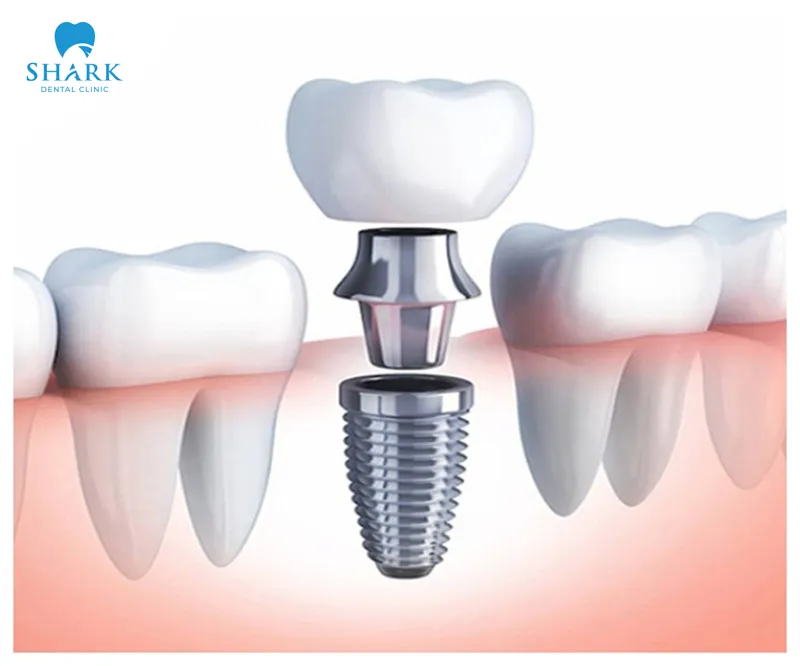
The workflow: from impression to master model
The implant analog plays an extremely important role throughout the dental restoration process, helping to accurately replicate both the shape and the exact position of the implant post.
Step 1: Taking the jaw impression
First, the specialist dentist will carry out the process of taking a conventional implant-level impression or performing a digital intraoral scan with the appropriate scan body to record the implant or abutment position. This information then supports the most accurate possible reconstruction of the patient’s jaw model at a later stage of the process.
Step 2: Selecting and positioning the implant analog
Once enough data has been gathered, the technicians will use specialized materials such as plaster or resin to go about creating the jaw models, taking care to ensure that the implant analog is placed in precisely the correct position.
Step 3: Fabricating the implant analog
The laboratory selects an analog compatible with the implant system, connection type, and platform, and positions it according to the recorded impression or scan data. Carrying out this fabrication correctly and precisely helps ensure that the process of fitting the model into the jaw achieves the highest possible level of accuracy.
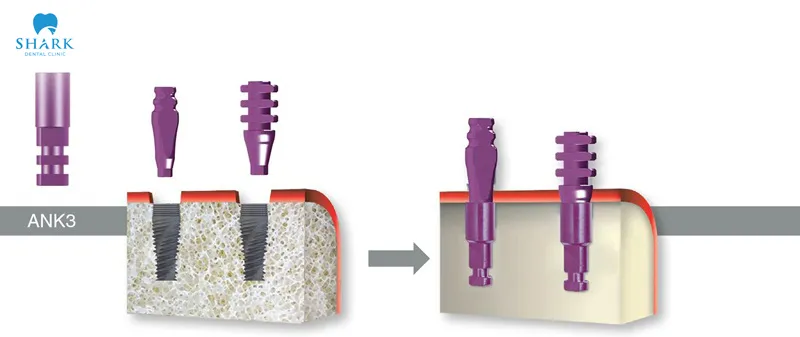
Step 4: Checking and adjusting
Once the fabrication of the implant analog has been completed, the technicians will go on to check the fit and overall compatibility of the model. If any errors or inaccuracies are found along the way, the process of optimization begins right away, in order to ensure that the correct, agreed-upon standard is properly met.
Step 5: Finalizing the working model
The analog is secured in the dental stone or 3D-printed model, and its position and stability are verified before restoration fabrication. This stage plays an important part in fabricating the porcelain crown and the dental bridge, and it helps ensure the restoration framework is as accurate as possible once it is put into practical use.
Why understanding analogs is vital for clinical success?
Gaining a clear understanding of the implant analog is important, because this particular component plays a genuinely pivotal role in reproducing the implant connection and its recorded three-dimensional position in the working model. This understanding, in turn, supports the technique of fabricating a precisely fitting crown, helps limit bite misalignment, and also plays a real part in helping to prevent the occurrence of clinical complications down the line.
Beyond that, the implant analog also plays an important role in the fabrication of restorations more broadly:
- It reproduces the recorded implant or abutment connection and position within a conventional or digital working model.
- It supports technicians in designing crowns and abutments that fit well, without requiring the patient to be physically present
- It supports laboratory assessment of the restoration’s connection accuracy and fit on the working model.
Accurate clinical records, compatible components, correct laboratory procedures, and clinical verification together may help reduce restorative errors such as:
- Reducing the occurrence of bite misalignment, pressure discomfort, or pain following tooth restoration
- Restorative misfit or occlusal discrepancies that may contribute to mechanical complications.
- Connection or fit discrepancies that require clinical evaluation and correction.
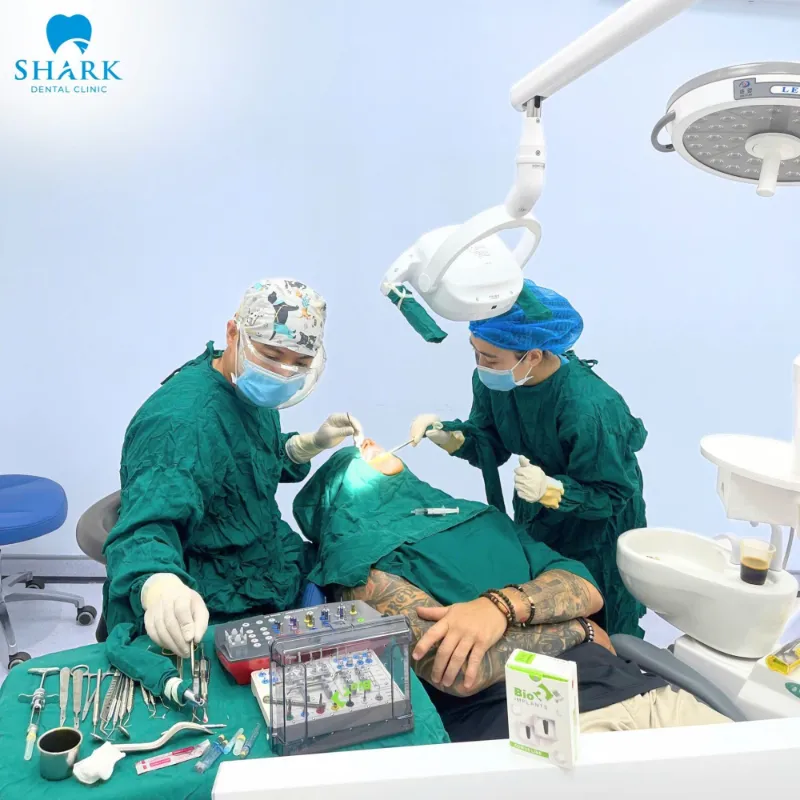
In summary, the implant analog ensures precision and safety in dental restorations. While the dental team takes precise clinical records, trained laboratory personnel handle analog selection, model creation, and final restoration fabrication using compatible components. Shark Dental Clinic hopes this information helps you understand the procedure and choose a safe, reliable provider for your treatment. If you have any remaining questions, please contact us today for fast, dedicated consultation and support.
>>> See more: Can people with diabetes get dental implants?