

A dental filling is a restorative treatment used primarily to repair cavities and selected minor chips or damage. Composite bonding may also be considered for certain small gaps after an assessment of the teeth and bite. This filling method offers good aesthetics, a high degree of safety, and a reasonably affordable cost. When considering having this procedure done, many people naturally wonder how a temporary tooth filling actually differs from a permanent one, which makes temporary tooth filling vs permanent filling one of the most common questions patients ask. Refer to the detailed information in the article below!
What is the difference between a temporary and permanent tooth filling?
When applying a cosmetic filling method, everyone is naturally curious about how the filling process works, and shares the same common question: how do temporary and permanent fillings actually differ from one another? Although both are forms of tooth filling, there’s a clear and noticeable difference both in how each procedure is carried out and in the filling material that gets used for each particular application, which is what the temporary tooth filling vs permanent filling comparison comes down to.
What is a temporary tooth filling?
A temporary tooth filling is a method that uses a short-term restorative material to seal and protect a cavity or damaged tooth for a short period of time, while the patient waits for a permanent filling to be applied, or for a porcelain crown procedure to be carried out instead.
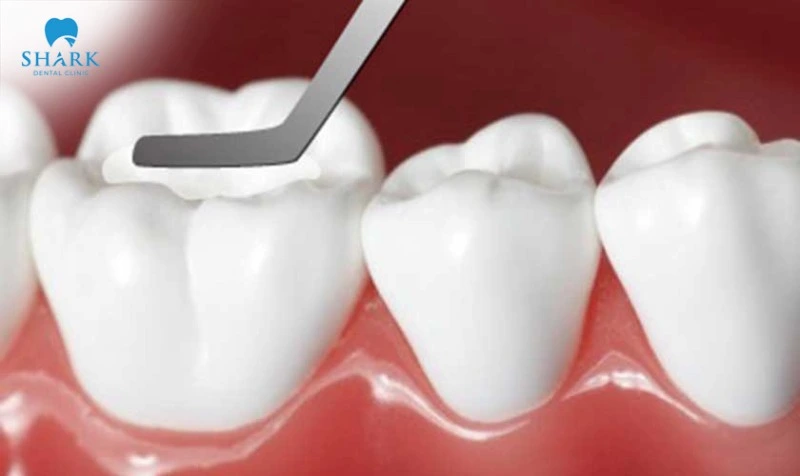
What is a permanent tooth filling?
A permanent tooth filling is a dental method that uses a specialized filling material to repair cavities or selected minor defects, restore tooth form and function, and reduce the risk of further damage when properly maintained.
Key comparison: Temporary tooth filling vs permanent filling
Both dental filling methods come with their own particular advantages, and they differ from one another in terms of how the procedure is carried out, the materials that are used, the cost involved, and the extent of insurance coverage that applies.
Materials used and overall durability
A temporary tooth filling uses a noticeably softer material compared to the material that’s used for a permanent filling. Temporary materials may include zinc oxide–eugenol or other purpose-designed temporary restorative materials. Glass ionomer may be used as either an interim or definitive restoration, depending on the product and clinical situation. What all of these materials have in common is that they’re easy to place and easy to remove afterward, though they don’t offer much in the way of long-term durability.
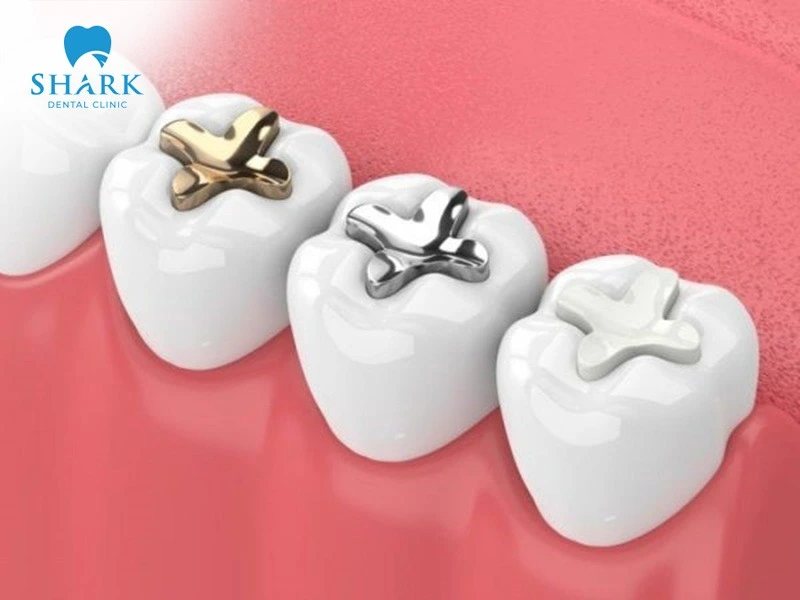
A permanent tooth filling, on the other hand, uses definitive direct restorations may use resin composite, glass ionomer, or amalgam in selected settings, while ceramic and gold are generally used for indirect restorations such as inlays or onlays. These types of materials tend to be sturdy and durable, able to withstand ongoing chewing force, and capable of fully restoring both the tooth’s function and its overall appearance.
Procedure time and longevity expectations
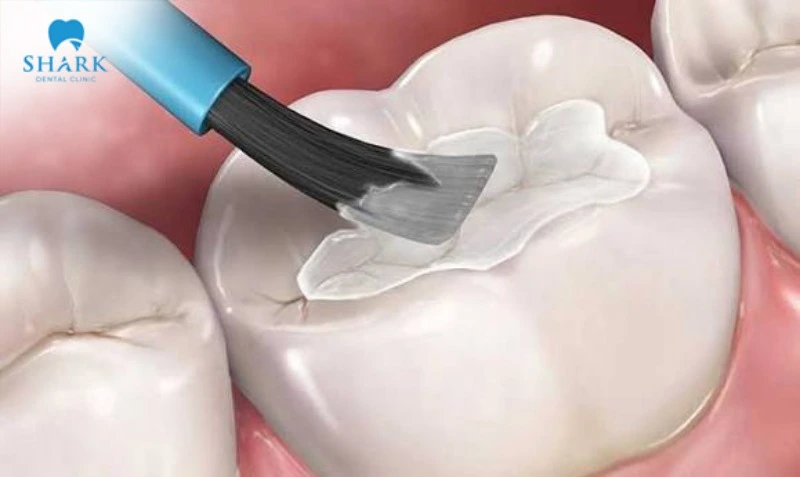
A temporary filling involves a quick and relatively simple procedure that helps protect the tooth from inflammation or further damage in the meantime. A permanent filling, on the other hand, takes considerably longer to complete, requires a much higher degree of precision, and is generally more complex to carry out than a temporary filling.
Cost comparison and insurance coverage
A temporary filling typically costs less, but is only effective for a relatively short amount of time. A permanent filling, meanwhile, costs more upfront, but it tends to be more cost-effective in the long run, since it offers considerably greater durability and remains stable and reliable for many years afterward.
When do you need a temporary tooth filling?
Dentists apply a temporary filling only in certain specific situations — it isn’t something that should be used in every case:
Emergency treatment and root canal preparation
A temporary filling will typically be applied by a specialist dentist in emergency situations, in order to help limit the progression of inflammation and to prepare the tooth for an upcoming root canal procedure. In these particular cases, a soft, temporary filling material needs to be used, in order to help ensure that the root canal procedure can be carried out safely afterward.
DIY filling kits versus professional dental treatment
Temporary filling kits should not replace professional dental treatment. If used in an emergency, they should only provide very short-term protection until the patient can see a dentist promptly, in cases where someone wants a quick fix and wants to limit any further irritation or damage from occurring in the meantime.
Which filling option is best for your tooth?
Generally speaking, figuring out which filling method is best suited to you will depend on the location of the tooth that needs filling, the size of the cavity involved, and each individual’s personal aesthetic preferences. There are currently a number of different filling methods available, making it easy for you to choose the one that suits you best.
Composite filling
- Advantages: The color closely matches natural teeth, offering high aesthetic value.
- Best suited for front tooth filling, small cavities, or areas of the mouth that are visible when smiling.
GIC filling
- Advantages: Releases fluoride, which may support caries control; however, it does not guarantee that tooth decay will not recur.
- Best suited for filling children’s teeth, areas near the base of the tooth, or other areas that don’t experience much chewing force — though it doesn’t offer quite the same level of aesthetic appeal as some of the other options available.
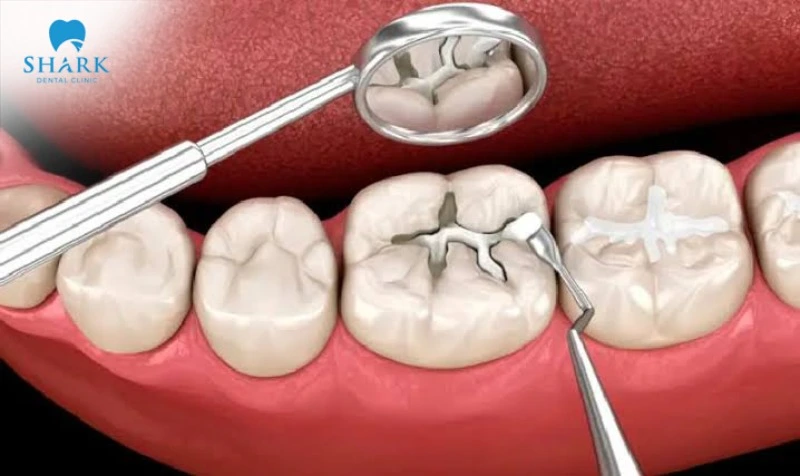
Inlay/onlay ceramic filling
- Advantages: High durability, good resistance to chewing force, a natural color, and resistance to discoloration over time.
- Best suited for molars that have suffered major chipping, or for areas with large cavities where a regular filling material wouldn’t be able to hold up for very long.
Frequently asked questions
The process involved in a temporary versus a permanent filling, or temporary tooth filling vs permanent filling, will generally be applied differently, depending on the specific case in question. Before undergoing either procedure, many patients tend to have questions such as the following:
How long does a temporary dental filling last?
Generally speaking, a temporary filling will last anywhere from around 2 to 8 weeks, depending on the material that was used, as well as how well it’s cared for afterward. That said, you should still be sure to see your dentist according to your scheduled appointment, since a temporary filling can come loose fairly easily and is only ever meant to be a short-term solution — leaving it in place for too long can potentially lead to further problems down the line.
Can you eat normally with a temporary tooth filling?
While you have a temporary filling in place, you can generally continue to eat normally, though you should avoid applying too much chewing force on that particular tooth. Choose soft foods where possible, and avoid anything overly chewy or hard, as well as anything that could otherwise cause irritation or negatively affect the tooth.
What should you do if a temporary filling falls out?
If a temporary filling shows any signs of coming loose, you should contact your dental team right away so that they can schedule an appointment, address the issue promptly, and protect the exposed part of the tooth in the meantime. In the meantime, be sure to keep your mouth clean, rinse regularly with warm salt water, remove any leftover food particles, and keep the exposed area of the tooth as clean as possible.
Be sure to avoid chewing in that particular area, in order to limit the force placed on the jaw, and to help prevent further damage to the natural tooth tissue underneath. Follow your dentist’s care and hygiene instructions closely so that the filling remains stable and lasts as long as possible.
Why does a tooth hurt after receiving a temporary filling?
Generally speaking, if a tooth starts to hurt after a temporary filling has been placed, this is usually due to the tooth tissue’s own natural reaction to the pressure it experienced inside the pulp during the procedure itself.
The main causes usually include irritation to the pulp from damage caused during the drilling process when the filling was first placed. Possible causes include a high filling, temporary irritation of the pulp, leakage or loss of the restoration, or pre-existing pulp inflammation. Persistent or increasing pain should be assessed by a dentist. Another possible cause is an earlier case of pulp inflammation that wasn’t effectively treated beforehand, which can go on to cause further inflammation, irritation, and pain.
Clearly, the common questions surrounding how a temporary filling differs from a permanent filling, in other words temporary tooth filling vs permanent filling, have now been answered in detail by dental specialists throughout this article. Each filling method is best suited to a specific, particular situation. Be sure to follow proper dental care and hygiene practices, as well as your dentist’s instructions, in order to get the best results from your filling. If you have any questions about cosmetic dentistry, don’t forget to reach out to the team of dentists at Shark Dental Clinic for prompt advice and support.
>>> See more: Why does my tooth filling hurt after months?