
Dental implants offer a safe, highly aesthetic, and long-lasting solution for tooth loss. However, recognizing the early signs of dental implant failure is crucial to taking timely action and protecting your oral health. Take a closer look at the detailed, specific information shared by the specialist dentists at Shark Dental Clinic in the article below!
What is dental implant failure?
Dental implant failure refers to a complication that can occur after an implant has been placed, in which the implant post fails to form a durable bond with the surrounding bone. As a result of this, stability decreases, the connection between the implant and the bone becomes loose, and the implant is no longer able to properly support normal chewing function or maintain its usual, natural aesthetic appearance.
The process of implant failure can take place at a number of specific points in time, such as:
- The stage right after the implant post has been placed
- After the porcelain crown has been fitted onto the implant
- After the entire process of implant placement in the tooth has been completed
Common signs of dental implant failure
When an implant post is being rejected, this will typically be accompanied by a range of signs, from minor to more serious, each of which can be clearly recognized through its own specific set of symptoms.
Persistent and radiating pain
At the specific site where the implant was originally placed, persistent pain will gradually begin to appear. This pain gradually starts to spread further and occurs with greater frequency, showing no sign of easing up, and this is considered an abnormal condition that calls for prompt examination and evaluation by a specialist dentist.
Swelling and inflammation of the gums
One of the common signs of implant failure is that the bone fails to form a tight, stable bond with the implant, causing the area around the implant site to become swollen and painful. In some more serious cases, pus and discharge may appear, which is a sign of infection, irritation, and spreading to other areas, affecting the neighboring teeth as well. If this is not addressed quickly, it can lead to periodontal inflammation and bone loss, causing the tooth to become loose and ultimately leading to tooth loss.
Implant mobility or shifting
An easily recognizable sign of implant failure is when the tooth becomes mobile and starts to shift, no longer feeling firmly anchored to the implant post. The main underlying causes of this particular condition can include infection, the ongoing impact of chewing forces, or issues arising from the implant placement technique that was originally used.
Difficulty chewing and biting
When the implant post is being rejected, chewing and biting food becomes difficult, causing pain and swelling during the chewing process and making it hard to carry on with normal daily activities. Over time, the implant may lose supporting bone or stability, depending on the underlying cause, and this creates an opening that allows bacteria to get in, which can go on to affect overall health as well.
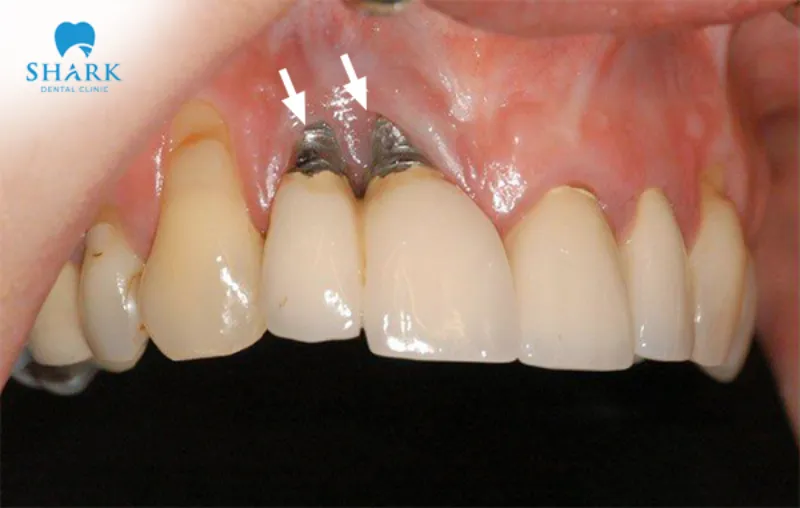
Gum recession around the metal post
When the implant post is not compatible with the jawbone, the surrounding gum tissue will begin to recede, and at this point the metal portion of the post becomes visibly exposed. This requires clinical and radiographic assessment but does not, by itself, confirm implant failure, and if the situation is not promptly addressed, it can go on to lead to further infection and even greater damage to the surrounding tooth structure over time.
Early vs. late implant failure
implant failure refers to the phenomenon in which the jawbone fails to bond tightly and closely with the implant post. This overall process is generally divided into two distinct stages: what’s known as early rejection, and what’s known as late rejection.
Signs of early rejection (within 3-4 months)
Early rejection takes place within the first few days, either before or right around the time the final porcelain crown is fitted, at a point when the implant post has not yet had time to fully integrate with the bone. The source material notes that this window generally falls within the first 3 to 6 months after implant placement, with the main causes including infection, an implant post placed in the wrong position, weak jawbone quality, or a patient who smokes or does not follow proper aftercare and hygiene instructions.
Signs of late rejection (after 1-5 years)
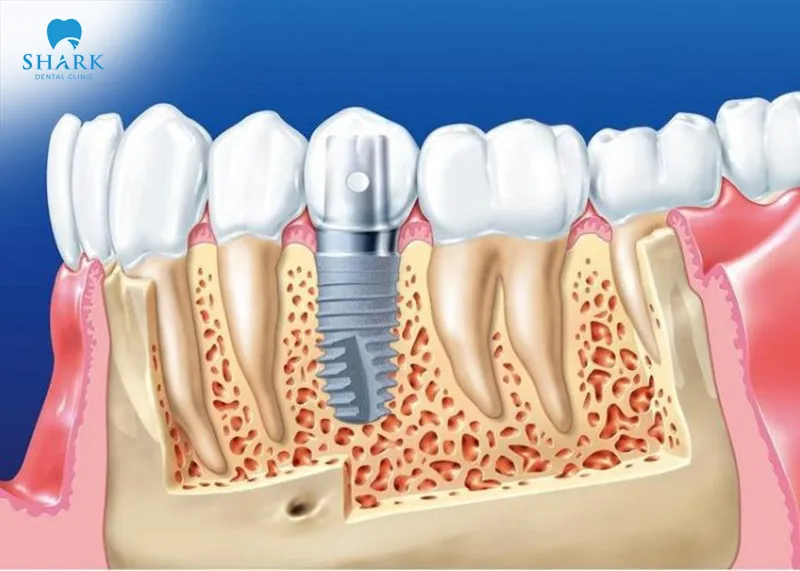
Late rejection occurs after the implant post has already integrated with the bone and is functioning normally, but it can still be triggered by a number of different factors, such as infection or irritation beneath the base of the tooth. In some other cases, it can also be brought on by excessive chewing force, a habit of grinding the teeth during sleep at night, or underlying health conditions such as diabetes or various hormonal changes.
Whether implant failure happens early or late, it is important to quickly look into the underlying cause and promptly see a specialist dentist for an examination, so that the condition can be properly assessed and the most effective course of treatment can be identified.
Primary causes of implant failure
Gaining a clear understanding of the underlying causes of implant failure can give you a much clearer overall picture of the situation, allowing for timely examination and the development of an accurate, well-suited treatment plan. implant failure can occur within the first few weeks or may not appear until several years after the implant has been placed, and it is generally driven by the following underlying causes:
Peri-implantitis: The leading cause
Improper oral hygiene, along with a lack of consistent care, allows food particles to build up around the mouth. This then allows bacteria to begin invading the area, causing infection and getting in the way of proper healing after the implant has been placed.
Insufficient bone volume
When a significant amount of jawbone has been lost, proceeding with implant placement without first performing a bone graft can leave the bone unable to provide adequate support, making it difficult for it to properly integrate with the implant post and creating further difficulties during the implant placement process.
Improper implant placement technique
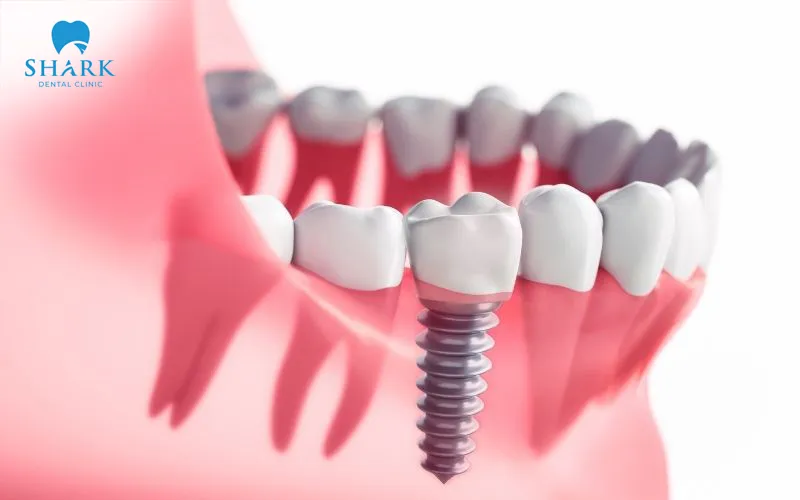
A specialist dentist who lacks sufficient experience may place the implant post too close to the bone’s nerve pathway. In other cases, inadequate irrigation or improper osteotomy preparation can overheat and damage the bone, leaving the implant post unstable.
Trauma or a strong impact
Sudden trauma caused by an accident or other outside forces can easily damage the implant post, preventing it from bonding securely and interfering with the healing process after implant placement.
Lifestyle factors: Smoking and poor hygiene
After an implant has been placed, regular smoking introduces toxins from the smoke that reduce blood flow to the implant site, which in turn can result in the implant post failing to integrate properly. As noted above, inconsistent oral hygiene is likewise a significant contributing factor.
What to do if you notice these signs?
If you notice any of these signs that an implant post may be undergoing rejection, the best course of action is to see a reputable dentist right away and have the condition of the tooth properly examined. The specialist dentist will carry out an examination and recommend whatever treatment approach is most appropriate for the situation.
In cases where the post is compromised, addressing noticeable dental implant infection symptoms prompt the dentist to proceed with treating the area based on clinical findings; preservation of the implant may not be possible in every case. In cases of more severe rejection, where the implant is no longer compatible the way it originally was, the specialist dentist will remove the implant post, fully treat any remaining signs of infection, and reassess whether and when a replacement implant may be placed after the site has healed.
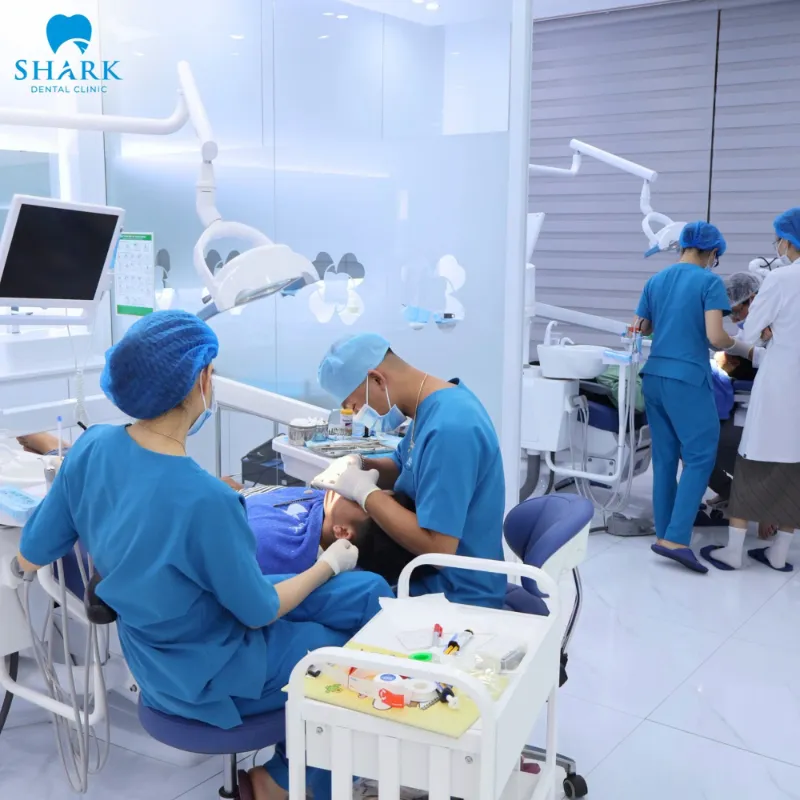
The entire process of treating a rejected implant post needs to be carried out by specialist dentists with a high level of professional experience. Beyond that, modern equipment is also essential in order to ensure that the process meets proper safety standards and delivers the most outstanding results possible.
As you can see, the signs of dental implant failure have now been covered by our specialist dentists throughout this article. In order to reduce the risk of infection and limit the effects of implant failure, patients are encouraged to seek out a reputable dental clinic and have their implant placed safely there. Shark Dental Clinic is widely regarded as a quality brand, chosen by a large number of patients both in the country and abroad for their dental implant procedures.
>>> See more: How is fixing dental implants performed when they are damaged?