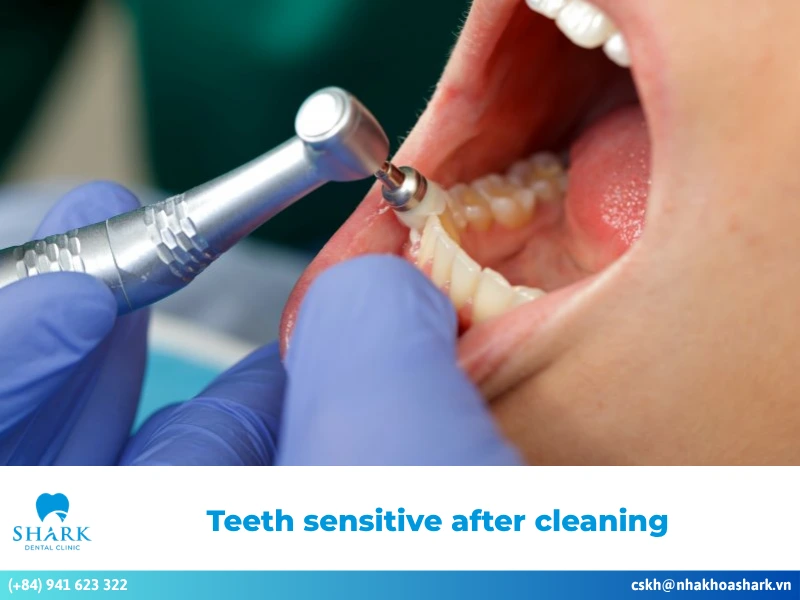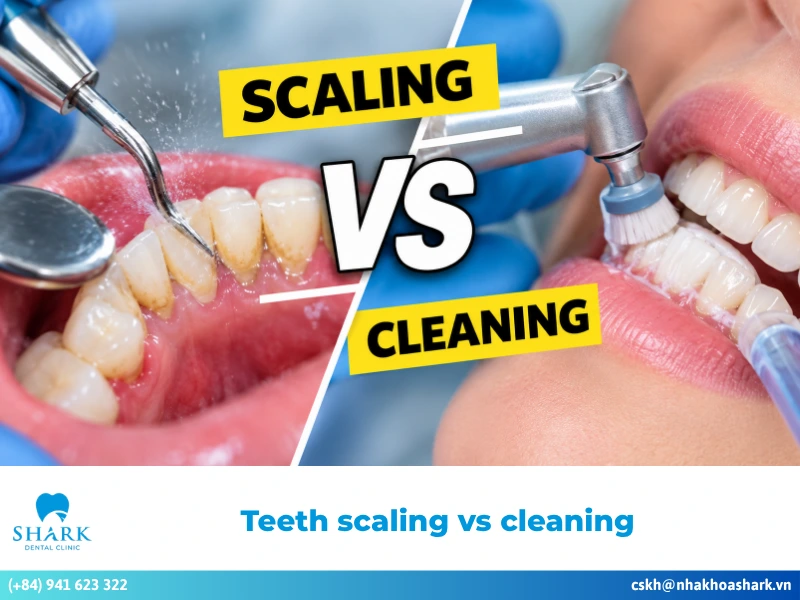

Teeth scaling is an essential dental procedure that removes plaque and helps prevent oral diseases. However, many people experience that their teeth hurt after cleaning, which can interfere with eating and daily activities. So, why does this happen? Let’s explore the answer in the article below!
Why do your teeth hurt after cleaning at the dentist?
Experiencing tooth pain after a dental cleaning is fairly common and can result from several causes, including:
- Sensitive teeth: The dental scaling process effectively removes hardened plaque and tartar, but it can sometimes expose parts of the enamel surface, leading to increased tooth sensitivity and a temporary aching or tingling sensation.
- Gum recession: When tartar accumulates on the teeth for an extended period, it can push the gumline downward, causing gum recession. After tartar removal, exposed tooth roots may lead to pain or discomfort when eating or drinking.
- Temporary gum inflammation: Following a scaling procedure, gum tissue may become slightly irritated or inflamed, resulting in mild pain and swelling. This is a natural healing response from the body and typically subsides after a few days.
Factors contributing to increased sensitivity
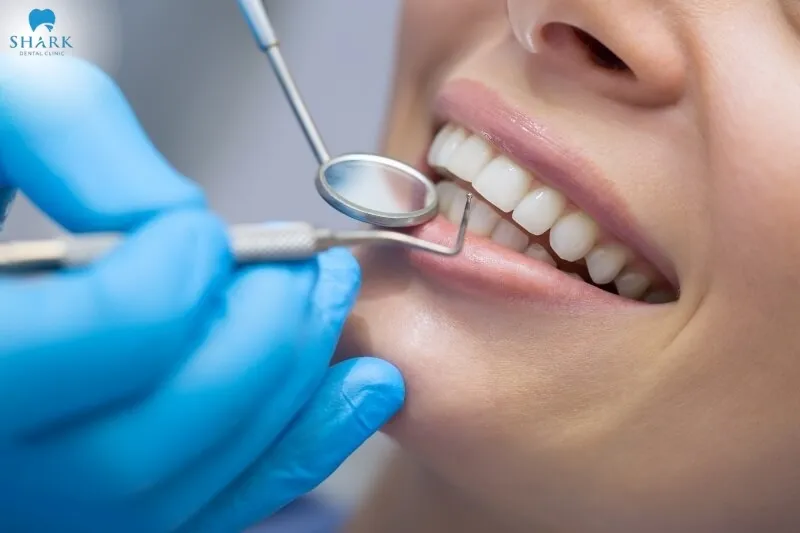
Tooth sensitivity can cause discomfort during daily eating and oral care. Several factors can increase sensitivity or lead to pain after cleaning, including:
Long-term tartar buildup
Poor oral hygiene can leave food particles that are not thoroughly cleaned, leading to tartar buildup over time. Once this buildup becomes significant, intensive scaling may be required, which can make the teeth feel more sensitive after cleaning.
Cracked or fractured teeth
If a tooth experiences impact or trauma, it may crack or break, exposing the dentin layer. This part of the tooth contains small nerve tubules, and when eating or drinking hot or cold foods, temperature changes can reach the nerves directly, leading to soreness or heightened sensitivity.
Incorrect brushing technique
Brushing too vigorously or using a toothbrush with stiff bristles can gradually wear away the protective enamel, exposing the dentin. This exposure makes nerves more vulnerable to external stimuli, such as hot or cold temperatures, resulting in tooth sensitivity and discomfort.

Dietary habits
Nutritional intake is crucial for maintaining enamel strength. A deficiency in essential minerals like calcium, magnesium, and vitamin D can weaken enamel, making it more susceptible to erosion from acids and external factors. Over time, this can increase tooth sensitivity and discomfort.
Genetic factors
The structure and durability of tooth enamel can be inherited. If a parent has naturally thin or sensitive enamel, there is a higher likelihood that their children will experience similar tooth sensitivity issues.
Harmful habits
Engaging in detrimental oral habits such as grinding teeth, clenching the jaw, or using teeth to tear or bite hard objects can gradually erode enamel. As this protective layer wears down, teeth become increasingly exposed, resulting in heightened sensitivity.
Use of whitening products
Teeth that are otherwise healthy can become sensitive if whitening products containing high concentrations of bleaching agents are used frequently over an extended period. These products can erode enamel, making teeth more vulnerable to temperature sensitivity and discomfort after cleaning.

How long should teeth hurt after cleaning?
Typically, any discomfort or pain you may feel after tartar removal (scaling) will gradually subside and completely disappear within 3 to 7 days. However, the exact recovery time can vary based on the dentist’s expertise, the amount of tartar buildup, and each individual’s oral condition.
If you experience any of the following symptoms, it is important to visit your dental clinic immediately for an examination and timely treatment:
- Persistent or severe pain that does not improve
- Signs of infection
- Prolonged gum bleeding
- Heightened sensitivity to hot or cold foods
- Loose teeth or gum recession
Experience dental care excellence at Shark Dental Clinic
To ensure the best oral health and safety after a scaling procedure, it is essential to choose a reliable and high-quality dental clinic with proven expertise—such as Shark Dental Clinic.
All services at Shark Dental Clinic are performed using modern, European-imported equipment and technologies, ensuring precision and safety at every step. The tartar removal and deep-cleaning processes follow strict sterilization protocols to prevent cross-contamination. The procedure is carried out with advanced ultrasonic devices, guaranteeing a painless and non-invasive experience for every patient.
Furthermore, all treatments—from simple to complex—are carried out by highly qualified and experienced dentists. They apply precise and gentle techniques that ensure the protection of gums and soft tissues inside the mouth.
Additionally, all service fees at Shark Dental Clinic are transparent and clearly listed, whether you are inquiring about major procedures or basic services like teeth scaling cost. Patients receive detailed consultations tailored to their specific conditions, with a firm commitment to avoiding hidden costs during treatment.
The clinic has received numerous positive reviews from patients who appreciate the attentive consultations, satisfying treatment results, and service quality that meets international standards—all at a reasonable and accessible price.

Through this article from Shark Dental Clinic, you now have a clearer understanding of why your teeth hurt after cleaning and the contributing factors behind this sensitivity. In most cases, this discomfort is completely normal and temporary, typically fading away within a few days. To maintain strong and healthy teeth, remember to practice proper oral hygiene and schedule regular dental checkups to prevent plaque and tartar from returning.