

Teeth whitening removes stubborn discoloration, giving you a brighter and more confident smile. However, many people are disappointed to find their teeth haven’t changed shade after the procedure. Wondering why are my teeth not whitening? Join the expert dental team at Shark Dental Clinic to discover the detailed causes and solutions in this article.
How teeth whitening actually works?
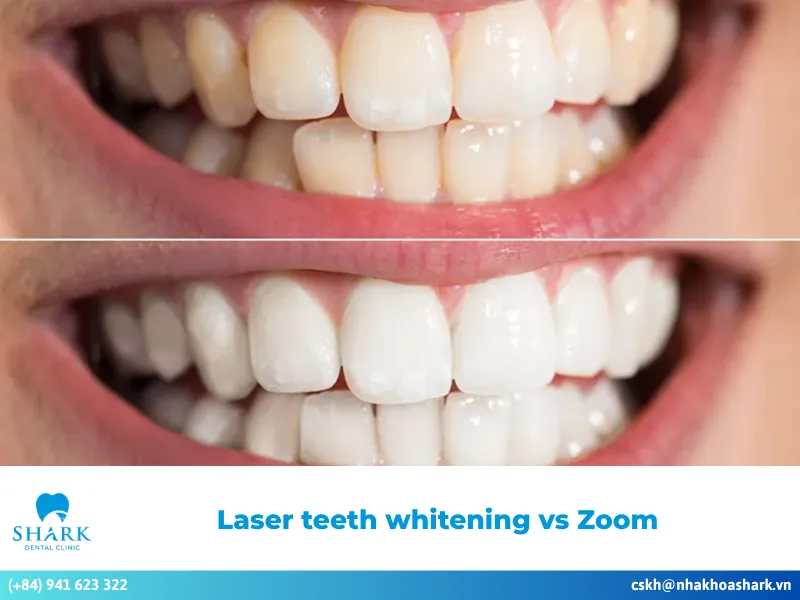
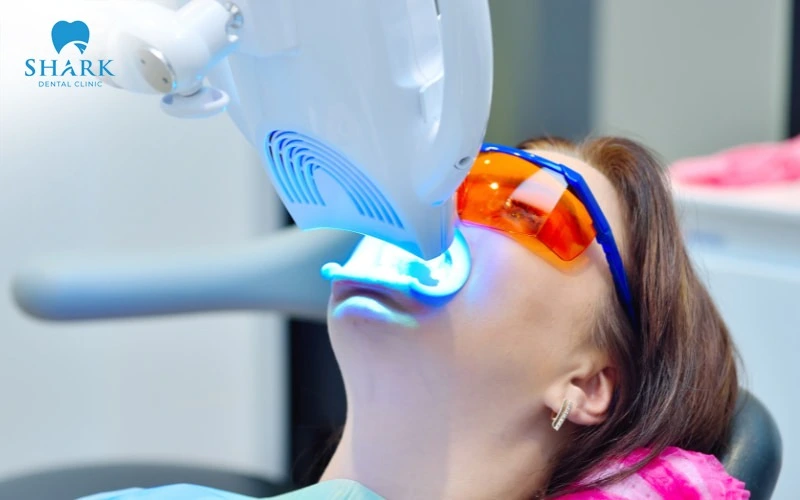
Teeth whitening relies on oxidizing compounds such as hydrogen peroxide or carbamide peroxide, which are able to penetrate through the enamel layer and into the dentin underneath. Once these compounds have penetrated the tooth structure, the active oxygen released breaks down the molecular bonds holding discoloring pigments in place, which are what cause teeth to appear yellowed or stained in the first place. As those bonds break down, the color of the tooth surface visibly and noticeably improves, becoming brighter, more even, and more naturally white in appearance.
At present, teeth whitening can be carried out either directly at a dental clinic or performed by the patient at home using take-home kits. Each of these two approaches comes with its own particular set of advantages and disadvantages. For teeth with more severe discoloration, it’s important to be examined at a dental clinic first, so that the dentist can properly assess the condition of the teeth and determine the safest, most appropriate whitening technique to apply.
Common reasons why your teeth are not whitening
There are many different situations in which teeth simply do not change color, or fail to become as bright as expected, even after undergoing a whitening treatment, which is often what leads people to ask why are my teeth not whitening. In most cases, this happens because of one or more of the following underlying causes:
You have intrinsic or deep internal stains
Even after a whitening treatment has been applied, teeth may still fail to look brighter or more attractive, and this can often be traced back to intrinsic staining — discoloration that comes from deep within the tooth itself. This is frequently caused by exposure to the antibiotic tetracycline during childhood, or it may simply be the result of inherited genetic factors. In situations like these, the response to whitening may be limited or variable, depending on the cause and severity of the intrinsic discoloration, and restorative options such as bonding, veneers, or crowns may be considered when whitening alone cannot achieve the desired result.
Dental restorations do not respond to bleach
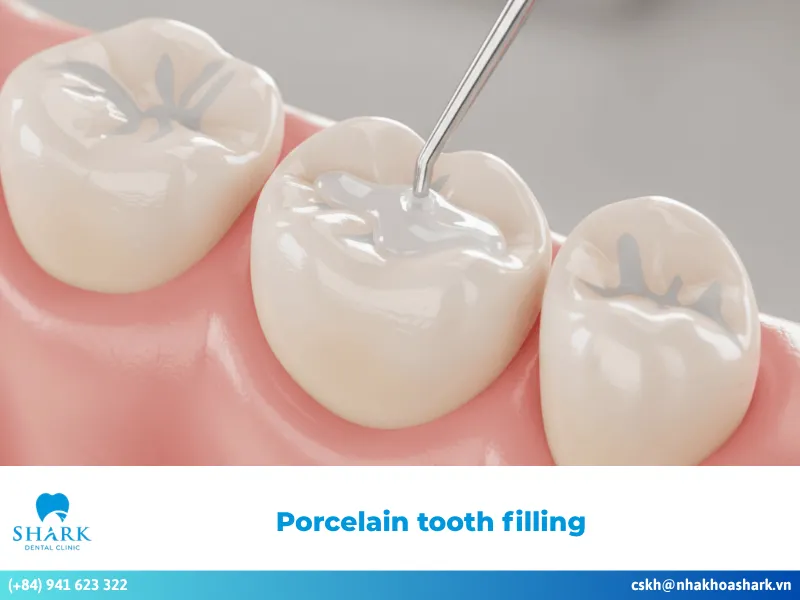
Whitening gel is only able to produce results when it’s applied to natural tooth structure. In cases where a tooth has fillings or other restorative material present, the whitening agent simply will not have any effect on that material, meaning the surface will not become brighter or whiter no matter how it’s treated.
Thinning enamel is exposing yellow dentin
When whitening treatments fail to change the shade of your teeth, one possible explanation is that the enamel layer has become thin over time, exposing the naturally yellow-toned dentin layer that sits directly beneath it. In situations like this, whitening may produce a limited result when thin enamel allows the naturally yellower dentin to show through, which means the overall shade of the tooth remains essentially unchanged no matter how many treatments are applied.
Plaque and tartar are blocking the whitening agent
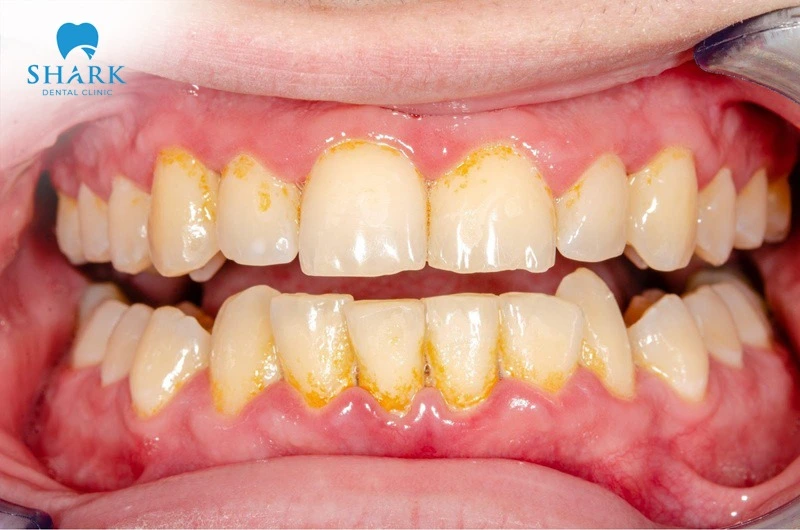
When a layer of hardened tartar and bacteria has built up and become firmly attached to the surface of the teeth, whitening treatments are often unable to penetrate through it and brighten the tooth underneath. As a result, even repeated whitening sessions may fail to produce the color change that was originally hoped for.
Genetic factors dictate your natural tooth shade
In some cases, a person’s teeth may simply be naturally predisposed to discoloration due to genetics, or the natural, inherent color of their teeth may already lean toward a darker shade to begin with. When whitening techniques are applied to teeth like these, the results are often far less noticeable than expected, and in certain cases, the amount of visible improvement may be limited by the natural baseline shade of the teeth.
Lifestyle habits and diet are reversing the effects
Regularly eating and drinking foods and beverages that carry strong, dark pigmentation — things like tomato-based sauces, red wine, black tea, and coffee — can prevent the results of a whitening treatment from lasting, and can keep the teeth from looking as bright and radiant as originally intended.
There are, in short, many different reasons why the surface of the teeth might fail to whiten evenly or consistently. It’s important to correctly identify the true underlying cause, have the situation carefully examined, and choose a reputable, trustworthy dental clinic in order to properly address and improve any discoloration and its related effects.
What to do when traditional teeth whitening fails?
Whitening treatments don’t always produce the brightening results that patients are hoping for. In general, whitening techniques are only effective at lightening the tooth surface in relatively basic, common cases of discoloration. If your teeth simply refuse to change shade even after repeated whitening attempts, or if the color proves especially difficult to shift, you may want to consider trying one of the following alternative approaches instead, especially if you are still wondering why are my teeth not whitening:
Schedule a professional dental cleaning
Because of the natural effects of everyday eating, drinking, and daily habits, tartar can build up and become heavily attached to the surface of the teeth, and in these situations, whitening alone will not be enough to change the color no matter how many times it’s applied. When this happens, it’s important to visit a reputable, trustworthy dental clinic so that a dentist can properly evaluate the condition of your teeth and carry out a safe, professional tartar-removal procedure.
Having tartar professionally removed eliminates essentially all traces of harmful, bacteria-related buildup, which helps the surface of the teeth look brighter and healthier overall while also limiting further negative effects. Beyond its cosmetic benefits, this procedure also helps prevent early signs of inflammation and can reduce the risk of tooth decay, cavities, periodontal disease, and other conditions that are closely related to the health of the tooth pulp.

Consider cosmetic bonding or porcelain veneers
Teeth that have become discolored can make your overall appearance look less impressive and can leave you feeling less confident about your smile. If whitening treatments haven’t been effective in your case, you might want to consider other options instead, such as porcelain crowns or porcelain veneers.
Porcelain veneers are a restorative dental technique that involves using an extremely thin ceramic shell — with a thickness of roughly just 0.3 millimeters — which is bonded directly onto the surface of your natural tooth. These veneers are able to provide a strikingly attractive, even color, effectively renewing the entire visible surface of the tooth and helping give your smile a far more confident, impressive appearance.
Ask your dentist about customized whitening plans
In certain situations, it may be worth considering more specialized in-clinic whitening techniques that go beyond standard treatments. If the surface of your teeth is discolored, uneven, or lacks a natural-looking shade, it’s worth visiting a reputable dental clinic so that a dentist can apply a more customized, specialized whitening process tailored specifically to your situation. Modern whitening techniques, when combined with an appropriately calibrated gel concentration, are may provide a more controlled whitening response based on the type of discoloration and the condition of the teeth, helping restore a naturally bright tooth shade while also minimizing the risk of irritation and other unwanted side effects.
How to prevent future staining and maintain results
In order to maintain a bright, white smile the way you want it, and to help limit signs of future discoloration while preserving an attractive tooth shade over time, it’s important to pay close attention not only to your diet but also to properly following your dentist’s recommended oral care and hygiene guidelines.
Avoid staining foods and beverages
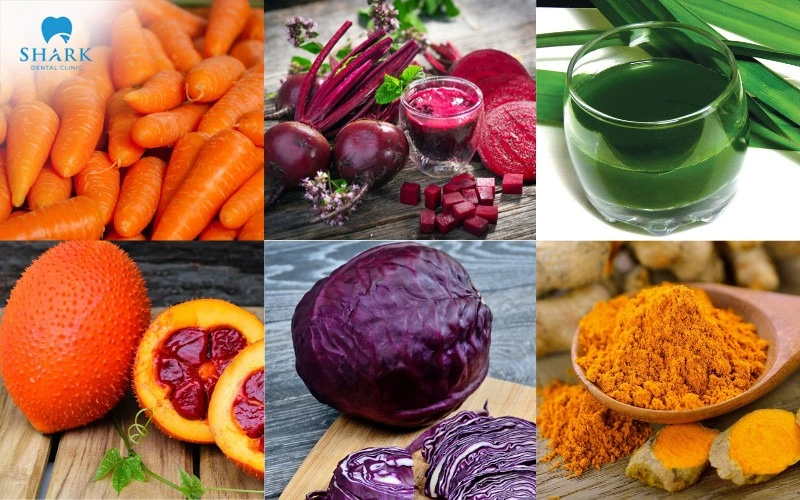
Foods and drinks such as coffee, tobacco products, and richly colored items like red wine or tomato-based sauces can easily cause the surface of your teeth to become discolored, preventing them from staying bright and white. After completing a whitening treatment, be sure to avoid eating strongly colored foods, avoid smoking altogether, follow a generally healthy diet, and drink plenty of water, all of which will also benefit your overall health.
Practice excellent daily oral hygiene
In order to maintain teeth that look bright, white, and evenly colored, it’s essential to pay careful attention to proper oral care and hygiene every single day. Be sure to brush gently rather than aggressively, use mouthwash after eating, and avoid applying excessive force when brushing your teeth. In addition, rinse regularly with a saline solution, and use dental floss rather than toothpicks in order to help minimize any damage to the surface of your teeth.
>>> See more: Can you drink coffee after teeth whitening?
Frequently asked questions about stubborn tooth stains
Discolored teeth are a source of ongoing worry for many people, who often look for a variety of different solutions in an effort to correct the problem. Among these concerns, there are quite a few common questions people have about tooth discoloration and uneven tooth color.
Why is one of my teeth darker than all the others?
Generally speaking, if one particular tooth appears noticeably darker or more heavily discolored than the rest of your teeth, this may be associated with previous trauma, changes or necrosis of the dental pulp, tooth decay, internal resorption, or restorative materials and should be assessed by a dentist, often resulting in a tooth that looks darker, less attractive, and far less impressive than the surrounding teeth.
Can over-the-counter products cause uneven whitening?
According to dental experts, store-bought whitening products that are readily available — such as whitening strips or at-home whitening trays — are entirely capable of causing uneven tooth coloration, resulting in some areas of the teeth looking noticeably whiter while others remain comparatively darker.
Using these products incorrectly, applying them at the wrong dosage, or using them without any guidance or supervision from a dentist can all lead to uneven tooth coloration, potentially damaging the surface of the teeth and leaving them looking less attractive overall. In situations like these, it’s important to seek out safer, more appropriate whitening methods in order to properly improve the situation.
We hope this article has helped you understand why whitening treatments sometimes fail and guided you toward better oral care. If you have been wondering why are my teeth not whitening, Shark Dental Clinic is a trusted destination to help you achieve a brighter, safer smile. Feel free to reach out to us anytime for expert advice!
>>> See more: Should I brush my teeth before using whitening strips