

Baby teeth are considered to be the very first teeth that emerge early in life, and they don’t just play an important role in the chewing process; they also serve as the essential foundation for the permanent teeth that will emerge later on. This is likely why, when parents discover that a baby tooth has decayed or become damaged, so many of them find themselves comparing baby tooth filling vs extraction and wondering whether it’s better to get the tooth filled or to have it extracted instead. Take a look at the information in this article to find the answer that best fits your child’s situation.
Why baby teeth matter more than you think?
Baby teeth play an extremely important role throughout a child’s physical and emotional development, and they also provide essential support for the child’s ability to chew properly.
Guiding permanent teeth into the correct position
Baby teeth remain in the mouth right up until the permanent teeth begin to appear and develop underneath them. When a permanent tooth starts to emerge, it develops beneath or near the primary tooth and gradually erupts as the primary tooth roots undergo resorption. Because of this, baby teeth serve as a kind of foundational guide, holding a fixed position in the mouth that helps the permanent tooth grow in along the correct path. If a baby tooth is lost prematurely, whatever the underlying reason may be, whether it’s tooth decay, physical trauma, or a genetic factor, it leaves behind a gap that isn’t good for the surrounding teeth. This can ultimately cause the permanent tooth to grow in crooked, or to show clear signs of shifting away from its intended position.
Supporting proper speech and chewing development
Baby teeth also carry out an important function by helping a child grind up food properly, which supports healthy chewing and allows the body to fully absorb the necessary nutrients from that food. On top of that, baby teeth that grow in correctly also help a young child learn to speak and pronounce words accurately, which helps prevent lisping or other speech difficulties and avoids any negative impact on the child’s overall language development.
Baby tooth filling vs extraction: How do they compare?
Whether a dental filling or an extraction is the better choice for a baby tooth is a question that weighs heavily on the minds of many parents whenever their child happens to develop a decayed or otherwise affected baby tooth. That said, both of these two methods need to be applied correctly and in the right circumstances. A filling helps preserve the natural tooth, and it’s generally used in cases involving mild tooth decay. Extracting a baby tooth, on the other hand, is only carried out when the tooth has been significantly damaged, when there are clear signs of severe infection or inflammation, when the tooth has become very loose, or when it’s already due to be naturally replaced.
When is a baby tooth filling the best choice?
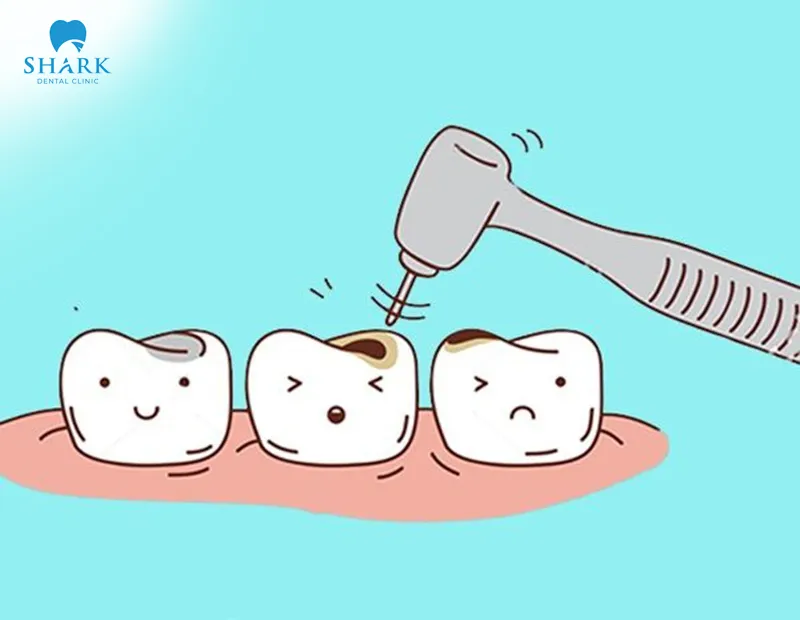
As already mentioned, a filling is the best possible option in cases where the tooth decay is relatively mild, where there’s only a small chip or fracture present, and where the problem can still be effectively treated and corrected. In situations like this, the dentist will focus on filling the tooth in order to preserve the natural tooth structure, hold open the necessary space for the permanent tooth to grow in at the correct position, and allow the child to continue chewing normally.
The main benefit of getting a baby tooth filled is that it helps stop harmful bacteria from spreading further, makes it easier for the child to chew comfortably, and supports the best possible absorption of nutrients from food.
When is a baby tooth extraction necessary?
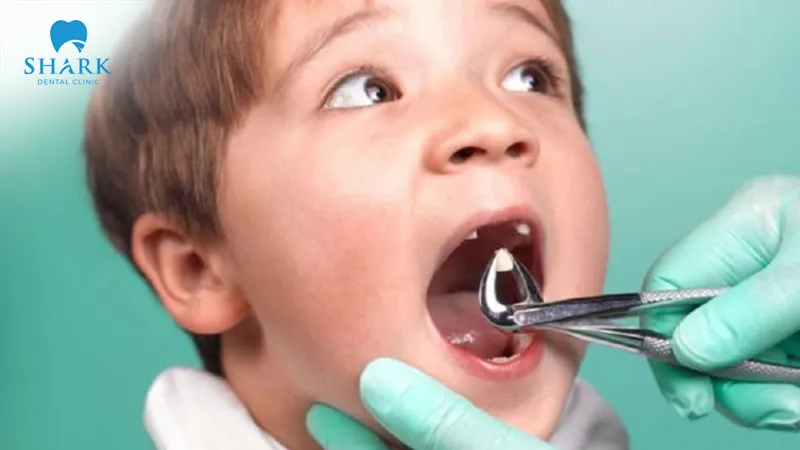
An extraction becomes necessary when a baby tooth has already become significantly loose, or when the primary tooth is retained and interfering with the normal eruption of the permanent tooth, as confirmed by examination. It’s also necessary in cases involving severe decay, serious infection, or significant trauma to the tooth — situations where a filling simply isn’t a viable option anymore.
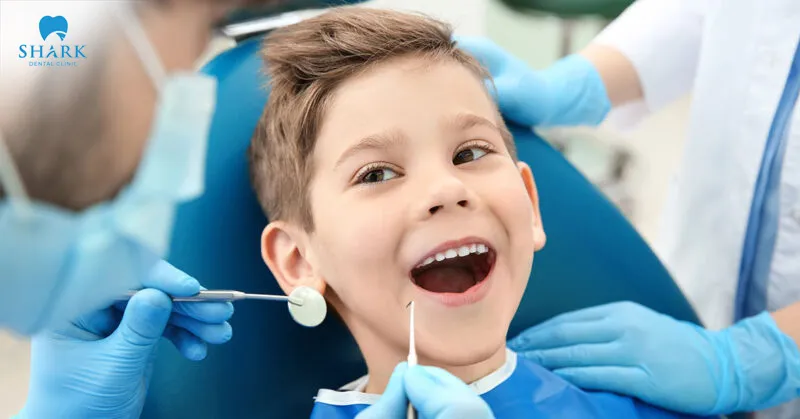
In order for either a filling or an extraction to be carried out properly, the child needs to be examined by an experienced specialist dentist. Depending on the specific condition of the baby tooth, the severity of any infection present, and how much the tooth has been affected overall, the dentist will conduct an examination and then apply whichever technique is likely to be the most effective in that particular case.
Below is a comparison table outlining the differences between baby tooth filling vs extraction:
| Comparison criteria | Baby tooth filling | Baby tooth extraction |
| Goal | Preserve the natural tooth root | Safely remove the damaged tooth |
| When it’s used | Restorable tooth decay, with pulp treatment performed first when clinically indicated. | Severe decay with major fracturing, infection at the root or tip of the tooth, or a tooth that has become significantly loose |
| Advantage | Holds open the necessary space for the permanent tooth to grow in | Quickly puts an end to pain caused by infection or decay |
| Limitation | The filling material may come loose if the child chews forcefully or eats hard foods | Losing a tooth too early can cause the jaw to shift out of alignment, affecting how the permanent teeth grow in |
| Safety | Easy to perform, with a high overall level of safety | Needs to be carried out by a dentist with solid, well-established expertise |
What happens if a baby tooth is extracted too early?
If a baby tooth is extracted too early, it can negatively affect the process by which the permanent tooth grows in, since the permanent tooth loses the natural guide that would otherwise hold its space. Beyond that, an early extraction can also have a range of other effects, impacting speech, jaw bone development, and normal chewing function.
Shifting teeth and future orthodontic issues
When a baby tooth is extracted too early, the neighboring teeth tend to drift out of place and gradually shift into the empty gap. This is also one of the main reasons why later permanent teeth can end up growing in impacted, becoming crowded together, and having a much harder time erupting properly, which can end up affecting the entire dental arch over the long run.
The role of space maintainers in preserving gaps
After premature loss of a primary tooth, the dentist will assess whether a space maintainer is needed based on the tooth involved, the child’s dental age, available space, and the development of the permanent successor. These appliances work by preventing the neighboring teeth from shifting out of position, which in turn helps ensure that the permanent tooth is able to grow in at the correct location, at the right time, while also reducing the likelihood that the child will need orthodontic braces later on in life.

Key factors dentists consider when choosing a treatment
In cases where a baby tooth has been lost or damaged, the specialist dentist will carefully weigh the actual condition of the tooth during the treatment process, assessing the extent of the damage in order to apply whichever method is best suited to that particular situation.
The child’s age and natural tooth shedding timeline
Generally speaking, the natural process of losing baby teeth and replacing them tends to begin somewhere between the ages of five and seven, and it typically wraps up by around the age of twelve or thirteen. Throughout this stage, the baby teeth gradually become loose one after another, making room for the permanent teeth to come in.
When deciding between baby tooth filling vs extraction, the dentist will take the child’s age carefully into account. If a child loses a tooth too early, it can end up affecting their ability to chew and go about their everyday activities normally, which is why dentists tend to prioritize filling techniques in order to preserve the tooth whenever possible.
The severity and depth of the tooth decay
If the tooth decay has progressed to a point that’s simply too severe, a filling may no longer be a workable option at all. In cases like this, the dentist will assess whether the tooth can be restored with pulp therapy and an appropriate restoration or whether tooth extraction is necessary in order to stop the decay from progressing further and to limit the risk of infection spreading and affecting the neighboring teeth. Ultimately, it’s the severity of the decay and any accompanying infection that determines whether a filling or an extraction is the more appropriate course of action.
Pain and recovery: What parents should expect
Children tend to feel anxious and fearful regardless of whether they’re undergoing a filling or an extraction procedure. Because of this, parents need to carefully evaluate and weigh the overall situation in order to decide which method makes the most sense for their child.
Comparing discomfort levels during filling vs extraction
Compared to an extraction, a filling procedure tends to be noticeably gentler, causing less pain and involving a less invasive process overall. Getting a filling is also generally quite safe, with minimal impact and very little pressure placed on the tooth. An extraction, by contrast, tends to involve more physical pain and can have a greater psychological impact on a child. Parents may want to think the situation through carefully and discuss it with the dentist in order to settle on the most suitable, optimal approach for their child.
Tips to help your child cope with dental anxiety
In order to help a child overcome the fear and anxiety that often comes with visiting the dentist, parents should take the time to guide, reassure, and talk things through with their child ahead of the appointment. Beyond that, parents can also read books together with their child, watch gentle, reassuring videos, or seek advice from well-regarded, reputable dentists.
Before a filling or an extraction is carried out, it’s important to let the child know in advance and stay by their side throughout the process, helping them prepare mentally as much as possible and limiting any unnecessary worry or pressure they might otherwise feel.
How to prevent cavities and avoid complex dental procedures?
One of the best ways to help a child maintain good oral health and avoid having to go through complicated dental procedures later on is to build good habits early and stay closely involved in the child’s dental care from a very young age.
Oral hygiene
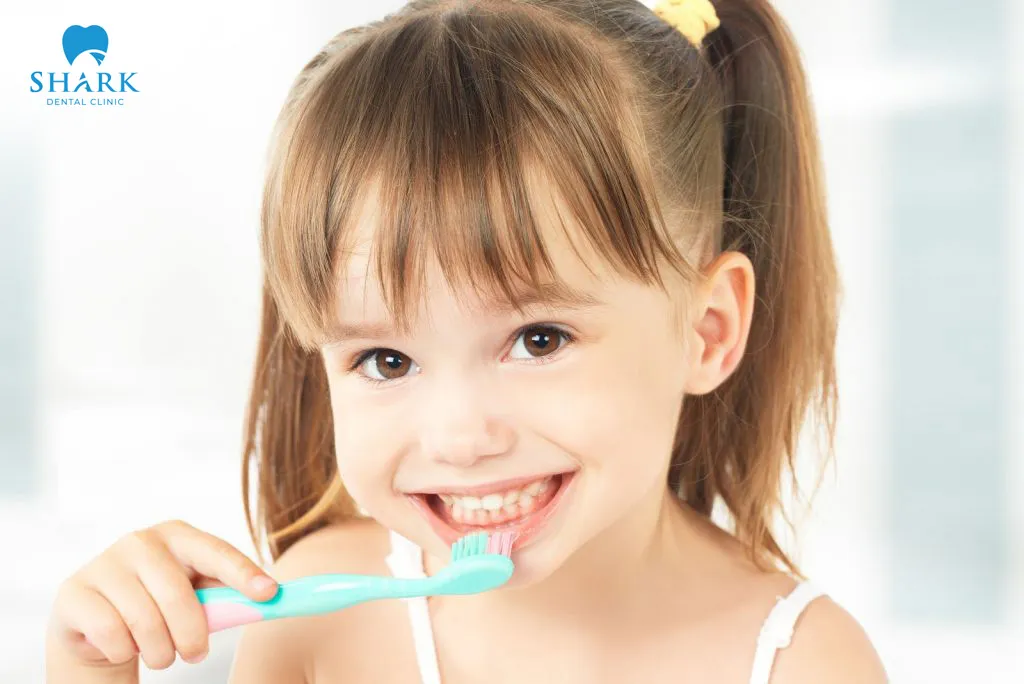
Guide and help your child brush their teeth regularly, at least two to three times a day. Alongside brushing, it’s also important to use dental floss to clean out any trapped food particles, and to brush twice daily with an age-appropriate amount of fluoride toothpaste and clean between the teeth when appropriate. Mouthwash should only be used when suitable for the child’s age and recommended by a dentist.
Diet
Diet plays a genuinely important role in maintaining overall health and preventing tooth decay. Guide your child toward healthy eating habits, limit sugary foods, and avoid excessive consumption of carbonated drinks, which can end up negatively affecting their health.
Alongside this, encourage your child to drink plenty of water and eat more green vegetables and fresh fruit, both of which help protect the enamel layer and reduce the overall risk of tooth decay developing.
Regular dental checkups
Beyond maintaining a healthy diet and proper oral hygiene, one of the most important principles for preventing tooth decay is scheduling regular dental checkups. Prioritizing these routine visits helps catch any unusual dental issues early on, allowing the most appropriate treatment method to be applied in time.
Deciding on baby tooth filling vs extraction depends on the severity of the infection after a thorough examination by the dentists at Shark Dental Clinic. Alongside professional treatment, maintaining good oral hygiene and a healthy diet is key to preventing decay. We hope these insights help protect your child’s bright smile.