
During pregnancy, a woman’s teeth and gums tend to become considerably more sensitive than usual, and a great many women go on to experience issues related to gum inflammation and periodontal disease during this time. Is it actually advisable, then, to go ahead and get teeth scaling done while pregnant? And does undergoing teeth scaling actually have any kind of effect on the pregnancy itself? In order to properly answer this particular question in full, the dentists at Shark Dental Clinic will go ahead and share detailed, specific information on teeth scaling pregnancy throughout the article below.
Is teeth scaling pregnancy safe?
According to specialist dentists, getting teeth scaling done during pregnancy is generally considered to be safe, as long as it’s carried out at the right, appropriate stage of the pregnancy and follows a proper, high-quality procedure throughout. Pregnant women are entirely able to go ahead and undergo teeth scaling in order to help prevent signs of infection from developing, while also reducing the overall risk of irritation and tooth decay.
Generally speaking, Dental scaling can generally be performed during any trimester when clinically indicated, although the second trimester may be more comfortable for routine care. By this particular point in the pregnancy, the baby has generally developed to a fairly stable stage, which helps minimize discomfort for the mother and reduces the overall risk of any negative complications arising during the procedure.
Why is teeth scaling essential during pregnancy?
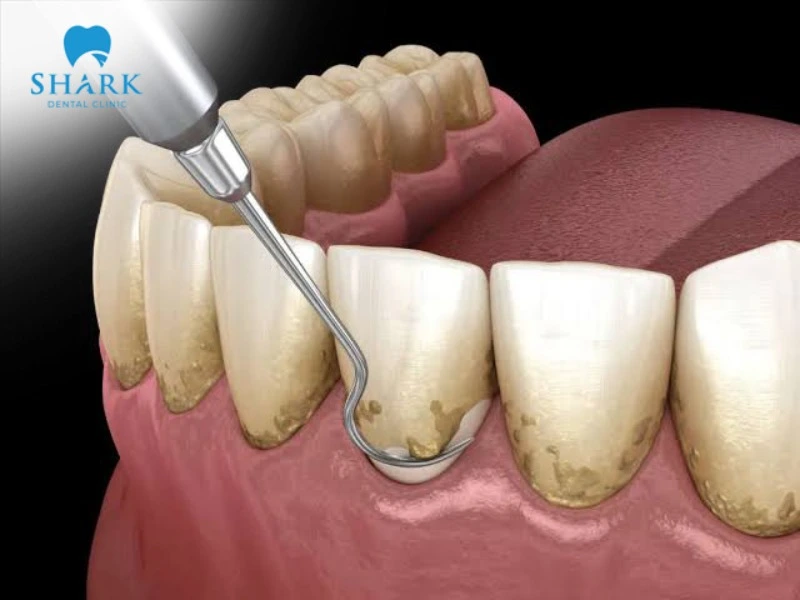
According to dental experts, tartar is essentially plaque that has gradually hardened and calcified as a result of everyday eating habits and daily routines building up on the teeth over time. If this kind of buildup isn’t properly addressed and treated in a timely way, it can potentially end up having a genuinely negative impact on the health of both the mother and the baby. For this reason, pregnant patients should receive a dental assessment, with scaling performed when plaque or calculus buildup warrants it.
Hormonal changes and pregnancy gingivitis
During pregnancy, women typically experience hormonal changes that cause overall hormone levels to rise quite considerably, and this, in turn, tends to make the mouth more sensitive and considerably more prone to ongoing plaque buildup. If teeth scaling isn’t carried out during this particular time, signs of infection and irritation can begin to appear, potentially going on to cause damage to the gums and to the base of the teeth as well.
Risks of untreated gum disease to mother and baby
During pregnancy, a woman’s entire body becomes extremely sensitive overall, and this sensitivity extends to the mouth as well. Periodontal disease during pregnancy has been associated with adverse outcomes such as preterm birth and low birth weight; however, this association does not establish a direct causal relationship. and failing to develop as well as it normally otherwise would.
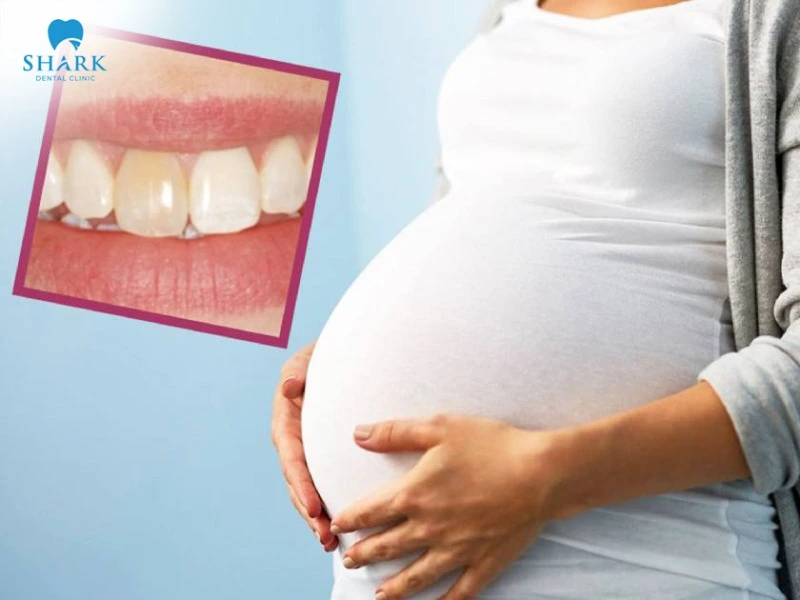
Getting teeth scaling done during pregnancy is genuinely important, because the hormonal changes involved can easily lead to gum inflammation and bleeding at the gumline in expectant mothers, allowing pockets of bacteria to form that can potentially go on to invade the body more broadly and spread into the bloodstream over time. For this reason, if tartar buildup happens to appear during this period, expectant mothers should go ahead and visit a dental clinic for a proper examination, so the dentist can recommend whichever approach turns out to be the most appropriate for their situation.
When is the best time to get teeth scaling?
Getting teeth scaling done during pregnancy requires paying especially close attention to proper timing, in order to minimize irritation and help ensure safety for both the mother and the baby throughout, which is the heart of teeth scaling pregnancy planning.
First trimester precautions
During the first three months of pregnancy, the baby is still quite fragile and delicate, and this is an especially important period during which the mother’s body needs to stabilize, while the baby goes on to develop its main organs. Routine care may be scheduled for patient comfort, but clinically necessary dental scaling can be performed during the first trimester.
Second trimester ideal timing
During the middle stage of the pregnancy, meaning the second trimester specifically, this is generally considered the ideal window of time for a mother to go ahead and get teeth scaling done. In practice, by this particular stage, morning sickness and nausea have typically subsided, the baby’s organs have finished forming and have become relatively stable, and the belly hasn’t grown too large just yet, meaning the mother can comfortably lie back in the dental chair and undergo the scaling procedure pretty much just as she normally would.
Third trimester considerations
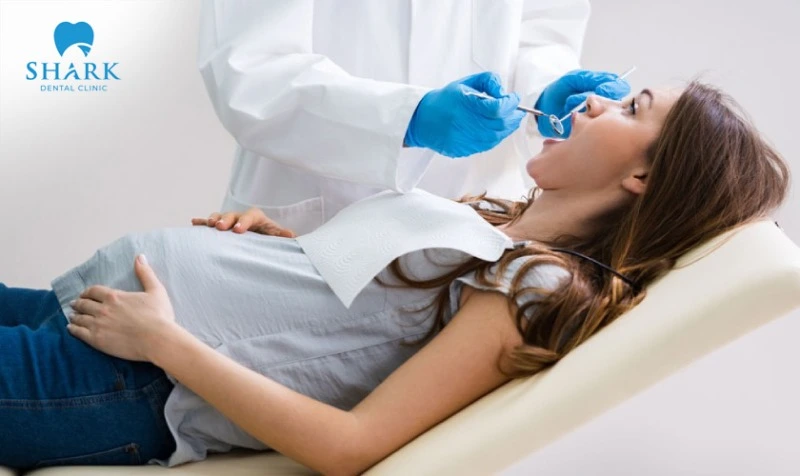
During the third trimester, the belly has generally grown considerably larger by this point in the pregnancy, and it can end up placing noticeable pressure on major blood vessels whenever the mother lies back in the dental chair. Prolonged lying in a flat position may cause dizziness or a drop in blood pressure; the dental team can adjust the patient’s position and appointment length.
What to expect during a teeth cleaning session?
Teeth scaling is generally considered a relatively simple dental procedure, and the process itself tends to involve minimal invasiveness, along with only a fairly limited overall impact on the body. The full teeth scaling process generally includes each of the following distinct stages, carried out in sequence:
Step 1: General examination
The dentist will carefully check the overall extent of the tartar buildup present, in order to determine whichever approach ends up being most appropriate for the situation at hand.
Step 2: Cleaning and sanitizing the mouth
Before beginning the procedure itself, and in order to help ensure overall safety, the dentist will go ahead and clean the mouth thoroughly beforehand, which helps prevent signs of infection and any other negative effects from appearing later on.
Step 3: Carrying out the scaling
The dentist will use gentle ultrasonic vibrations in order to loosen and dislodge the tartar buildup that has accumulated beneath the gumline, which in turn helps clean the tooth surface thoroughly and effectively. This entire process is carried out safely from start to finish, within a properly sterilized clinical environment.
Step 4: Polishing the tooth surface
Once the scaling procedure has been fully completed, the dentist will go on to use a specialized brush along with polishing paste in order to smooth out the surface of the teeth, which helps reduce future plaque buildup and leaves the teeth looking noticeably brighter, more attractive, and generally more impressive overall.
Tips for maintaining dental health during pregnancy
During pregnancy, women tend to become extremely sensitive overall, hormone levels shift quite considerably, and this can go on to lead to a whole range of effects on oral health, along with a noticeably increased risk of gum inflammation. Because of this, expectant mothers really need to pay careful, consistent attention to maintaining their overall oral health during pregnancy, in the most scientific and genuinely appropriate way possible.
Inform your dentist about your pregnancy
Whenever you visit a dental clinic to get teeth scaling done during pregnancy, it’s important to let the dentist know that you’re expecting, so the specialist can carry out a thorough, careful examination and recommend an approach that’s genuinely appropriate for your situation, ensuring safety throughout and minimizing the overall risk of irritation.
Brush gently with a soft bristles toothbrush
The gums and teeth tend to become extremely sensitive during pregnancy, largely as a result of the hormonal changes occurring throughout the body during this time. That said, expectant mothers still need to pay close, consistent attention to maintaining proper oral care and hygiene throughout the pregnancy. Be sure to brush your teeth at least 2 to 3 times a day. While brushing, be sure to use a toothbrush with soft, gentle bristles in order to minimize irritation and help make the eventual teeth scaling process go more smoothly and comfortably afterward.
Maintain a balanced diet and limit sugary treats
Expectant mothers should pay close, ongoing attention to maintaining a balanced, nutritious diet, eating plenty of leafy greens and fresh fruit in order to support their overall health, while also limiting carbonated drinks and sugary treats as much as possible. Eating in a healthy, well-balanced way like this helps expectant mothers maintain their overall health and helps prevent signs of gum inflammation, periodontal disease, and tooth decay from appearing in the first place.
>>> See more: Teeth sensitive after cleaning

Frequently asked questions
Getting teeth scaling done during pregnancy tends to leave many expectant mothers feeling somewhat anxious about the possibility of negative health effects, making teeth scaling pregnancy a frequent topic of concern. There are quite a few especially common questions that tend to come up again and again, including the following:
Are dental X-rays safe while pregnant?
Dental X-rays are generally considered to be safe during pregnancy, as long as they’re carried out following the proper, established procedure. Beforehand, it’s important to go ahead and let your dentist know that you’re currently pregnant. The amount of radiation used for a standard dental X-ray is extremely small, sitting well below the threshold that could potentially pose any real risk to the baby. On top of that, the X-rays themselves are focused specifically on the jaw and teeth, rather than being aimed directly at the uterus or other reproductive organs, Dental X-rays may be performed during pregnancy when clinically indicated, using appropriate techniques to minimize unnecessary radiation exposure.
Is local anesthesia safe during teeth scaling?
In practice, using local anesthesia during a teeth scaling procedure is considered entirely safe. That said, dentists generally don’t actually need to use anesthesia for teeth scaling nowadays, since the procedure itself only affects the outer surface of the tooth and the gumline, without causing any significant pain or other major effects. In certain special cases, the dentist may still go ahead and recommend local anesthesia, such as when there’s gum inflammation, periodontal disease, or particularly sensitive tooth roots present, in order to avoid causing excessive sensitivity or discomfort to the teeth during the procedure.
Can I get teeth whitening treatment during pregnancy?
According to specialist dentists, undergoing teeth whitening treatment is generally not recommended at all during pregnancy. Major dental associations, such as the American Dental Association (ADA), generally recommend postponing cosmetic dental procedures like this one, since the chemicals used throughout the whitening process haven’t yet been fully studied in terms of their overall safety for the baby.
During the teeth whitening process itself, there’s a genuine risk of increased sensitivity along with other effects that can leave the teeth considerably more sensitive overall, which can easily go on to lead to bleeding at the gumline and pain that ends up affecting overall health and wellbeing.
In practice, teeth whitening is purely a cosmetic procedure rather than an essential medical service, so it simply isn’t worth trading away for the sake of whatever risks, effects, or discomfort it could potentially end up causing an expectant mother throughout the process.
The various concerns around whether it’s genuinely advisable to get teeth scaling done during pregnancy have now been shared and addressed in careful detail by our specialist dentists throughout this article. In practice, teeth scaling remains a safe, high-quality procedure, as long as it’s carried out at a genuinely reputable dental clinic that properly follows all of the necessary safety principles involved. If you still have any further questions at all about teeth scaling, including teeth scaling pregnancy concerns, feel free to visit Shark Dental Clinic right away for prompt advice, care, and support.
>>> See more: Does scaling whiten teeth?