
Teeth scaling is a dental method that a great many people choose in order to remove stubborn, calcified plaque buildup from their teeth, helping to thoroughly clean the tooth surface and prevent signs of infection from developing further. Whether teeth scaling can cause gaps between the teeth is a question that leaves quite a few people feeling genuinely uncertain before going ahead and undergoing the procedure, often leading them to ask: Can teeth scaling cause gaps? All of this will be addressed in careful detail throughout the article below!
Can teeth scaling cause gaps?
According to specialist dentists, teeth scaling does not actually go on to cause gaps to form between the teeth in any real sense. In reality, teeth scaling only affects the surface of the tooth, working to remove calcified plaque buildup, without actually moving the teeth themselves or creating any genuinely empty spaces between them.
After having their teeth scaled, many people end up feeling as though the spaces between their teeth have become noticeably wider, but this is simply because the layer of tartar that had previously been there was concealing the natural space that had already been present all along. Once this layer of buildup has been removed, the natural teeth and gums simply become noticeably more visible than they were before.
Why do gaps appear after teeth scaling?
The appearance of gaps after teeth scaling is, in reality, caused by the fact that a particularly thick and heavy layer of tartar buildup had previously been covering the surface of the teeth. Once teeth scaling has been carried out, using specialized dental techniques and equipment, the dentist works to remove all of the calcified plaque buildup present and to prevent any signs of infection from developing further.
Removal of tartar buildup between teeth
The gaps that appear after teeth scaling are, essentially, just the result of removing all of the tartar buildup that had gradually accumulated between the teeth over time. At this particular point, the natural surface of the tooth becomes exposed for the first time in quite a while, which understandably leads many people to mistakenly assume that what they’re actually seeing is a genuine gap.
Reduction in swollen gum tissue
Once teeth scaling has been fully completed, plaque and tartar deposits are reduced, allowing the gums to begin healing, which helps minimize signs of infection and irritation considerably. This is generally considered to be one of the genuine advantages of the scaling technique overall, since it means gum swelling and bleeding may gradually improve after treatment, depending on the underlying periodontal condition and oral hygiene.
Uncovering existing gum recession or bone loss
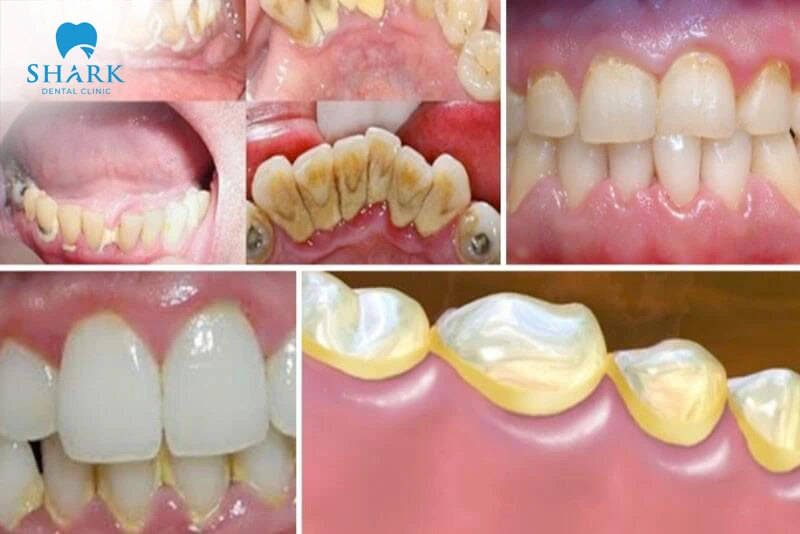
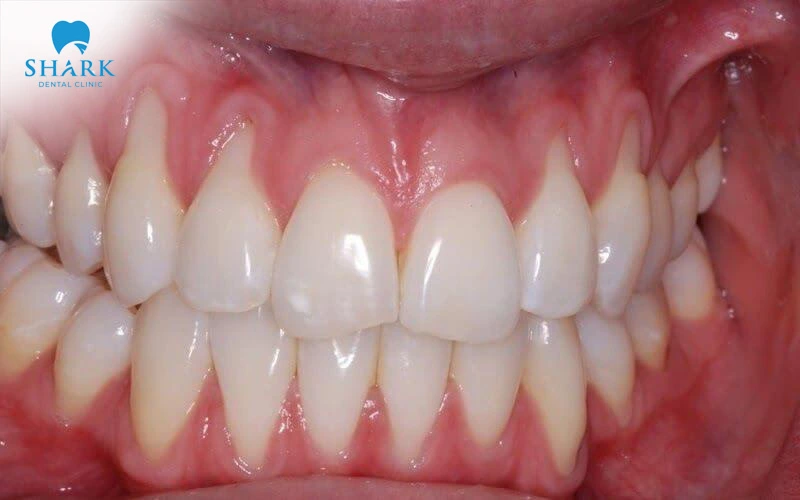
It’s entirely possible that, before the teeth scaling was even carried out, the mouth already had some degree of infection present, along with existing signs of gum recession and underlying bone loss. Once the scaling procedure has been completed, gaps may go on to appear, and the underlying signs of gum recession and bone loss will still remain present afterward, making both the gaps themselves and the more serious underlying infection considerably easier to notice than they were before.
Are gaps after teeth scaling permanent or normal?
Gaps that appear after teeth scaling can either turn out to be a perfectly normal, temporary occurrence, or in some cases a genuinely permanent condition, depending entirely on the specific case involved, which is why the answer to can teeth scaling cause gaps is not always the same. A dentist needs to go ahead and carry out a proper examination in order to assess the overall situation and determine whichever explanation actually applies to that particular case.
When gaps are a normal part of healing
After having their teeth scaled, pretty much everyone will notice that their teeth feel a little bit gappier than before, and no longer quite as tightly aligned as they once were. However, this is considered a perfectly normal occurrence that happens once the thick layer of tartar has finally been removed, with the actual underlying structure of the teeth simply returning to how it originally was to begin with. As inflammation subsides, the gums may stabilize; however, spaces caused by gum recession or bone loss may remain visible.
When gaps indicate underlying periodontal issues
If the gaps that appear after teeth scaling seem unusually pronounced or widespread, and the area around the base of the teeth develops an unpleasant odor or shows a noticeable change in color, this is genuinely worth paying close attention to. If, on top of that, there are also signs of pain, sharp sensitivity, or general discomfort present, these signs warrant a dental examination to check for periodontal disease, gum recession, bone loss, or another underlying problem, any of which can go on to cause a whole range of effects on overall health.
How to treat gaps after dental scaling?
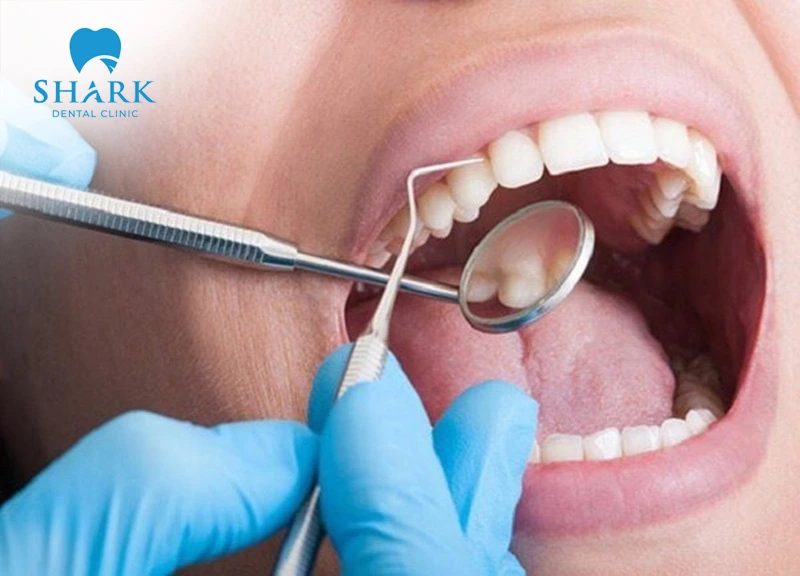
The sensation of gaps or happier-looking teeth after teeth scaling is mainly caused by the fact that a thick layer of tartar had previously been filling in the spaces between the teeth, and this same buildup had also been contributing to swelling and gradual recession of the gums and teeth. Once this thick layer of tartar has finally been removed, the newly exposed gaps become clearly visible, and this can potentially go on to affect both the overall appearance of the smile and its everyday chewing function.
Ways of treating the gaps that appear after teeth scaling can be applied either at home or with the help of a dentist:
Dental bonding for minor spaces
When small gaps appear between the teeth, in order to prevent food particles from getting stuck in them and to minimize any irritation to the teeth, the dentist should first assess and stabilize the periodontal condition before considering cosmetic treatment such as bonding. This particular method is fairly simple to carry out, using specialized bonding material in order to fill in the small gaps, which helps preserve the overall appearance of the smile, prevent infection, and avoid any signs of tooth decay from developing afterward.
Veneers and orthodontics for larger gaps
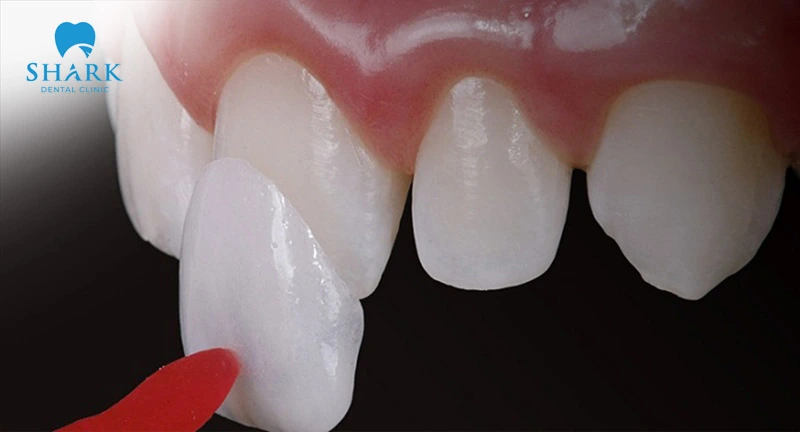
In cases where, after teeth scaling has been completed, the teeth are left with larger gaps that genuinely need to be addressed, the dentist may go ahead and recommend either porcelain veneers or orthodontic treatment, depending on the situation, in order to improve things.
Porcelain veneers are a cosmetic dental method that uses an extremely thin shell, generally somewhere between 0.2mm and 0.5mm, applied to the outer surface of the natural tooth. The technique involves lightly filing down an extremely thin layer of the natural enamel, which helps preserve as much of the original tooth structure underneath as possible. The veneer itself is carefully shaded to closely match the color of the natural tooth, is only minimally invasive to apply, and has just a limited overall impact on the tooth’s underlying structure. After the veneer has been properly applied, the tooth ends up with an attractive, natural-looking color, a precise and comfortable fit, and no remaining gaps at all, allowing normal chewing function to continue as expected.
When the surface of the teeth shows a certain degree of spacing, orthodontic treatment uses dental appliances that apply a gentle pulling force in order to gradually shift the teeth, realigning them into a more balanced position, closing up the gaps, and helping the teeth become evenly spaced and properly positioned. Orthodontic treatment naturally takes time in order to gradually pull and shift the teeth into their proper place, so the entire process generally takes somewhere between 12 and 24 months to complete, depending on the overall extent of the spacing involved.
How to care for your teeth after scaling?
After having your teeth scaled, it’s genuinely important to focus on proper, ongoing oral care and hygiene, in order to help prevent plaque from building back up again over time, keep the teeth strong and healthy, and ensure the best possible chewing function and aesthetic appearance going forward.
Proper daily brushing and flossing techniques
Not everyone actually knows how to properly brush their teeth the correct way. In cases where teeth scaling has just been carried out, the underlying structure of the teeth will have certain gaps present for a little while afterward, so it’s a good idea to use a toothbrush with soft, gentle bristles and brush the tooth surface evenly and carefully throughout.
Recommended post scaling mouth rinses
After having your teeth scaled, it’s genuinely worth paying attention to using gentle, well-suited mouth rinses, in order to help minimize any feelings of sensitivity or discomfort in the teeth. These include specialized mouth rinse options such as the following:
- Chlorhexidine mouthwash should only be used when recommended by a dentist, usually for a limited period; it is not a routine treatment for tooth sensitivity.
- DeKa and Postbiotics mouthwash: These particular mouthwash brands are alcohol-free and made using biological herbal ingredients, meaning they don’t cause irritation or have any negative effect on the gums.
- Listerine mouthwash: Thanks to its natural ingredients, Listerine mouthwash is alcohol-free, helps control newly forming plaque, protects the natural moisture of the mouth’s mucous membranes, and helps limit bacteria and other unwanted effects.
Frequently asked questions about teeth scaling and gaps
There are quite a few different questions that tend to come up again and again around teeth scaling, starting with can teeth scaling cause gaps, such as how long it generally takes for the gums to return to normal, and how best to help stabilize the mouth and close up any gaps that appear afterward.
How long do gums take to heal after scaling?
After having your teeth scaled, it generally takes somewhere between 1 and 2 weeks in total for the gums to properly stabilize and fully heal. During this particular window of time, it’s important to follow the dentist’s specific guidance regarding diet and proper oral hygiene closely, so the teeth can settle back into place as naturally as possible.
Will gums grow back to fill the gaps?
In reality, gum tissue simply isn’t able to grow back on its own in order to fill in the gaps that appear after teeth scaling has taken place. In order to properly address this particular issue, it’s important to first consider how large or small the resulting gaps actually turn out to be, with the dentist assessing the overall condition of the mouth accordingly. If the gaps in question are relatively small, porcelain veneers can generally be applied in order to improve the overall appearance of the tooth surface and restore both its aesthetic appearance and its everyday chewing function.
In cases where the teeth have noticeably larger gaps, the dentist will typically go ahead and recommend orthodontic treatment instead, gradually pulling and shifting the teeth into a more balanced position over time, which helps unify the overall shape of the smile and supports evenly spaced, properly aligned teeth without any unbalanced-looking gaps remaining afterward.
When should you contact your dentist?
After having your teeth scaled, if your teeth go on to show ongoing signs of swelling, pain, or prolonged discomfort, it’s important to go ahead and contact your dentist right away for a proper examination and assessment. Every 3 to 6 months or so, it’s also well worth scheduling a routine dental checkup, so the dentist can review the overall situation and catch any unusual effects as early as possible along the way.
Are these gaps permanent?
Gaps that appear after teeth scaling can end up being permanent if the underlying cause turns out to be gum recession or bone loss within the jaw itself. If the teeth are otherwise healthy overall, the gums will typically stabilize within about 1 to 2 weeks after the scaling procedure; temporary changes related to gum inflammation may improve, but spaces caused by gum recession or bone loss may persist and require further assessment.
This article has now shared complete, detailed information regarding whether teeth scaling can actually cause gaps to form between the teeth, answering the question of can teeth scaling cause gaps in full. All of the information in this article has been shared in detail by the dentists at Shark Dental Clinic. If you have any further questions at all, feel free to contact us through our hotline for prompt advice and support.
>>> See more: teeth scaling side effects