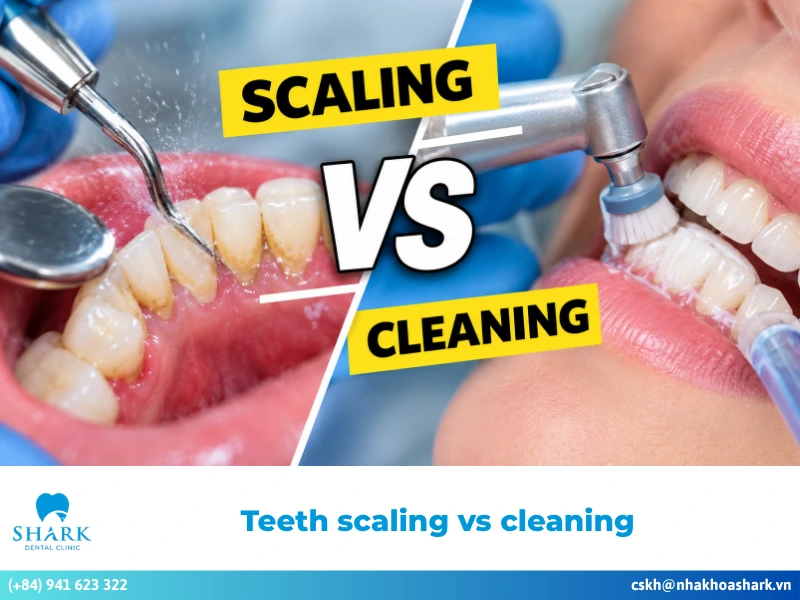

Tartar doesn’t just cause inflammation and disrupt everyday activities — its presence in the mouth can also lead to a number of serious dental conditions developing over time. How to prevent tartar buildup after scaling is a question that many people are genuinely concerned about. Specialists at Shark Dental Clinic will walk through the answer in detail, step by step, in the article below!
What is tartar buildup and why does it form after scaling?
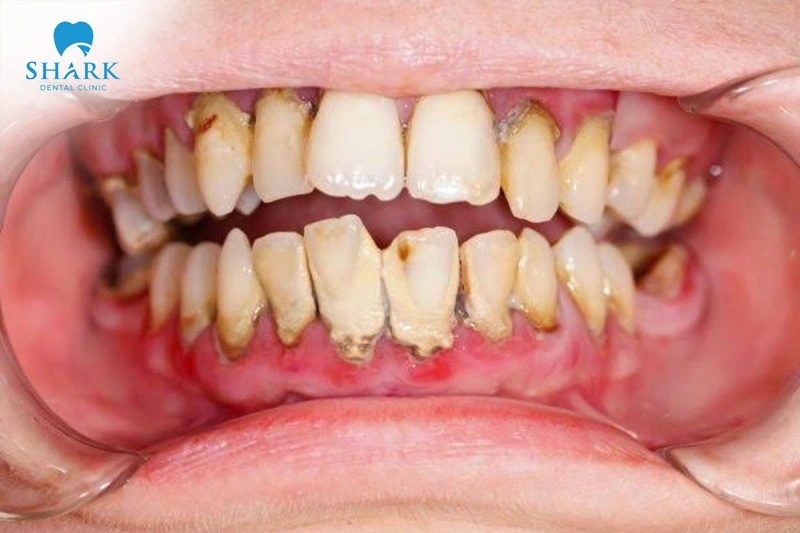
Tartar is a hardened dental plaque that forms when plaque mineralizes and becomes firmly attached to the tooth surface, after which it attaches firmly to the surface of the tooth or forms below the gumline. Tartar makes plaque control more difficult and can contribute to gum inflammation. Untreated periodontitis—not tartar alone—can damage the supporting tissues and eventually lead to tooth mobility or loss.
Difference between plaque and tartar
Plaque and tartar differ from one another in several ways, including their hardness, their composition, and how each one can be cleaned away. Plaque is usually newly formed, can be cleaned simply by brushing, and is easy to remove through everyday care at home.
Tartar, by contrast, has already attached itself firmly to the tooth surface and become calcified, so it can no longer be cleaned away through ordinary, everyday means. Removing tartar needs to be carried out at a dental clinic, using a system of specialized equipment that acts to break down and remove the hardened, firmly attached buildup — helping the teeth get properly and thoroughly clean, and preventing any lingering signs of inflammation and irritation from remaining.
How plaque hardens into tartar?
The process by which soft plaque transforms and hardens into tartar takes place gradually, through the ongoing buildup of bacteria and saliva. Over time, this buildup gradually attaches itself firmly to the tooth surface, or forms around the edges of the gumline, affecting the underlying structure of the teeth, which is exactly why knowing how to prevent tartar buildup after scaling is so important.
How to prevent tartar buildup after scaling?
After teeth scaling, in order to prevent bacteria from building up again and to limit the formation of new tartar, be sure to pay close attention and follow these effective habits of dental care and hygiene.
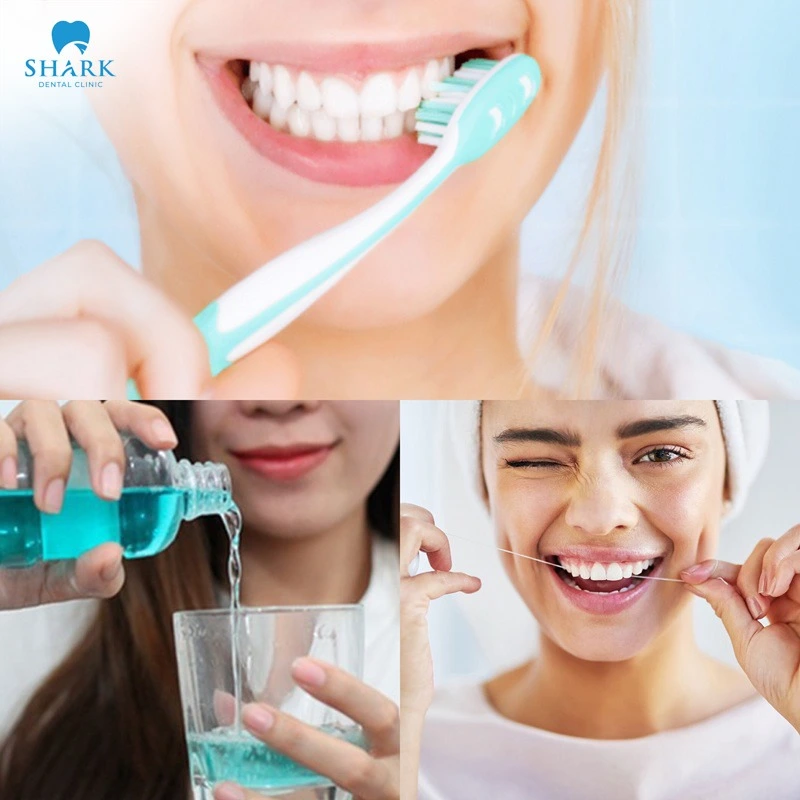
Brush twice daily with fluoride or tartar control toothpaste
Be sure to brush your teeth twice a day using a toothpaste that contains fluoride, or a toothpaste formulated specifically to control tartar — as recommended in standard oral-care guidance to protect tooth enamel and effectively prevent cavities. Pay close attention to using a soft-bristled toothbrush, brushing at a frequency of about 2-3 times a day, in order to help limit plaque from building up and to help prevent early signs of inflammation from developing.
Floss daily and use interdental brushes
To make sure plaque is prevented from forming on the teeth, be sure to use dental floss every day. Dental floss works by cleaning out small particles of food that get trapped between the teeth, which in turn reduces the risk of cavities and bad breath. Interdental brushes, in turn, help clean more deeply between the teeth and help prevent bacteria from clinging onto the tooth surfaces over time.
Rinse with an antiseptic mouthwash
A saltwater rinse may temporarily soothe irritated gums, but it does not remove plaque or replace brushing and interdental cleaning. Saltwater also helps clean the entire oral cavity in the most effective way.
Adjust your diet and limit sugary snacks
To keep plaque from forming on the teeth and affecting them over time, pay close attention to maintaining a suitable, well-balanced diet. Limit foods that contain a lot of sugar and keep your blood sugar levels stable — doing so is also considered an effective way to help control your body weight.
Foods that are high in sugar, such as candy and carbonated soft drinks, increase the risk of bacteria building up on the teeth, and over time this can cause tartar to return and reform once again.

Stay hydrated and chew sugar-free gum
Be sure to drink enough water throughout the day and chew sugar-free gum, as doing so boosts saliva production, which in turn helps protect tooth enamel and temporarily helps clean the oral cavity. This is also considered an effective way to help prevent plaque from forming in the first place and to keep tartar from appearing again afterward.
Quit smoking and using tobacco products
Avoiding the use of tobacco and tobacco-related products altogether helps significantly reduce the amount of plaque that goes on to build up into tartar, which in turn helps protect the gums and keep the teeth stronger and healthier overall. This is regarded by dental specialists as an effective solution for preventing tartar buildup over the long term.
>>> See more: Does scaling whiten teeth?
Can you remove tartar at home after it forms?
According to dental specialists, tartar cannot be removed at home once it has already formed, so how to prevent tartar buildup after scaling comes down to stopping it before it hardens. In reality, tartar has already calcified and hardened, attaching itself firmly to the surface of the tooth, which means it cannot be removed through ordinary, everyday oral hygiene methods at home.
Why plaque can be removed at home but tartar requires professional scaling?
Plaque can be removed at home because, by its very nature, it’s still soft and has only recently attached itself to the tooth surface — it hasn’t yet hardened or become calcified over time. Tartar, on the other hand, is a condition in which mineralized deposits have become firmly attached to the tooth surfaces and generally require removal by a dental professional. Instead, you need to see a dentist so that they can properly examine your teeth and apply whichever professional technique is most appropriate to your case.
Safe ways to control plaque between dental visits
To keep plaque under control in between dental visits, you need to maintain the right daily dental care and oral hygiene habits:
- Brush your teeth regularly: At least 2-3 times a day, brush your teeth using a specialized toothpaste that contains fluoride. While brushing, be sure to use a soft-bristled toothbrush and brush gently, using either circular or vertical strokes, for a duration of at least 2 minutes each time.
- Use dental floss: Be sure to use dental floss daily to clean between the teeth, removing plaque so that cavities don’t form, and clearing away any leftover food particles.
- Use mouthwash: Use an appropriate mouthwash on a regular basis to help limit the buildup of plaque, keep bacteria from accumulating, and help prevent tartar from forming in the future.
Frequently asked questions about tartar prevention
Tartar generally forms quickly and changes noticeably not long after scaling. Because of this, many patients have questions about how to prevent tartar buildup after scaling, what the process of getting tartar scaled away actually involves, and about how much time should ideally pass between appointments, in order to manage the condition as effectively as possible.
How fast does tartar return after a professional cleaning?
Generally speaking, tartar tends to form quite quickly indeed – a salivary film begins reforming soon after cleaning, and dental plaque can develop within hours; however, the time required for plaque to mineralize into tartar varies among individuals. The appearance of this film gives bacteria a surface they can attach themselves to, and soft plaque then gradually builds up on top of it; eventually, that soft plaque calcifies, hardens into tartar, and continues to build up further as time goes on.
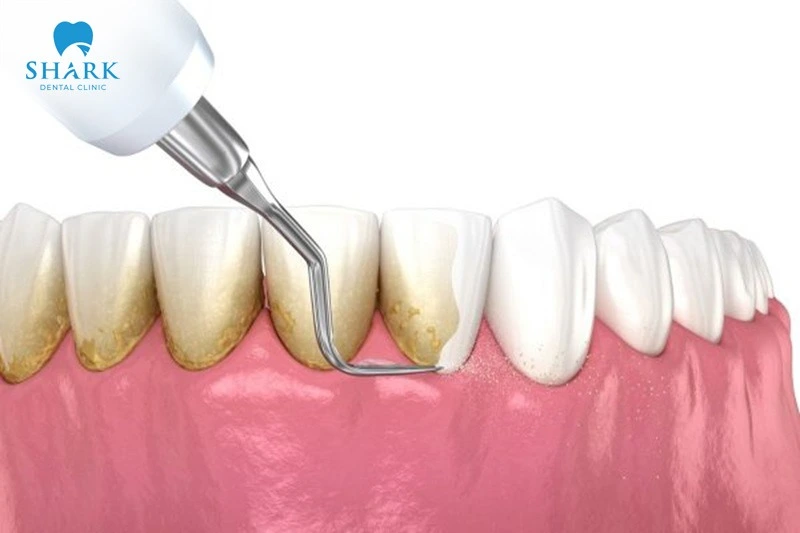
How often should you get your teeth scaled?
The appropriate interval for dental examinations and professional scaling should be individualized according to plaque and tartar buildup, gum health, oral hygiene, and the patient’s overall risk. If your teeth have a significant amount of plaque buildup, however, you should see a dentist every 3 to 6 months instead, so they can properly assess the extent of the buildup and apply whichever scaling method will be most effective for your particular situation.
How to prevent tartar buildup after scaling has been shared by many specialists, and each method comes with its own particular strengths. That said, it’s important to focus on proper, consistent dental care and hygiene, and to attend regular dental checkups, so that your dentist can assess the condition of your teeth over time and provide timely treatment whenever it’s needed. If you still have any questions at all about how to prevent tartar buildup after scaling, feel free to reach out to the team of dentists at Shark Dental Clinic for prompt, professional advice and support.
>>> See more: Can teeth scaling cause gaps?