
When the pulp of a tooth becomes inflamed and infected, endodontic treatment is the solution that helps to remove the focus of the infection and to keep the natural tooth where it is. Alongside the traditional method, modern laser techniques are attracting a good deal of interest, thanks to the way they support the cleaning and disinfection of the root canal system. So what exactly are the laser root canal treatment advantages? Let Shark Dental Clinic take you through all of the details in the article set out below.
What is laser root canal treatment?
Laser root canal treatment is a method that uses a specialised dental laser in order to support the cleaning and the disinfection of the root canal system during the course of the treatment. Instead of using the traditional endodontic instruments on their own, the dentist can bring the laser in after the mechanical cleaning step, in order to act on the bacteria that are still present inside the root canal.
The laser produces a concentrated form of light energy that has the ability to help break down the biofilm that the bacteria have formed around themselves, and this in turn strengthens how effectively the root canal system is disinfected and cleaned. This method is usually considered in cases where the structure of the root canal is suitable, which allows the laser to reach the area safely and to work effectively.
In general terms, laser root canal treatment does not completely replace the steps involved in traditional root canal treatment; instead, it is usually used as a supporting method, one that helps to improve the control of bacteria within the root canal system.
Key advantages of laser root canal therapy
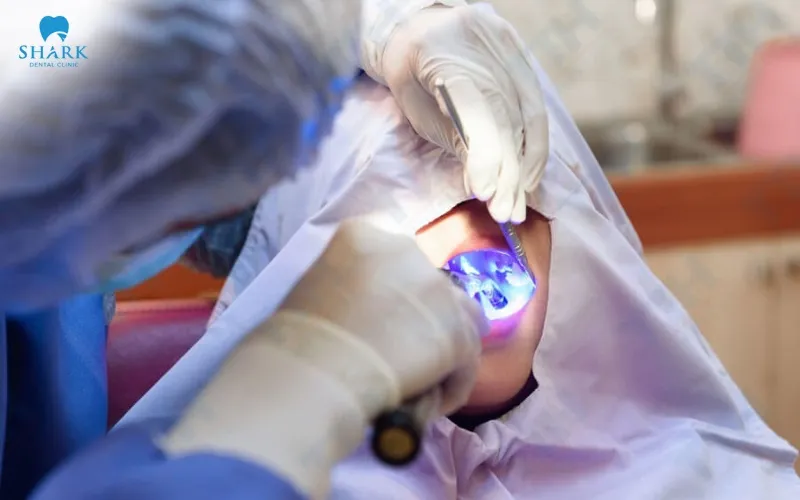
Alongside the traditional method of root canal treatment, the laser is being applied more and more as a supporting solution within endodontics, thanks to the way in which it is able to act on the bacteria inside the root canal system. When it is prescribed in an appropriate way and carried out with the correct technique, this method can bring a number of noteworthy advantages to the course of treatment.
Adjunctive cleaning and disinfection
The root canal system has a complex structure, with a great many small spaces that the traditional endodontic instruments find it difficult to reach completely. Laser energy can help to act on the bacteria and biofilm that are still present in these particular areas, and through this it strengthens the way in which the root canal is cleaned and disinfected.
Reduced pain and discomfort
Laser root canal treatment can help with the control of bacteria and with the way in which the inflamed tissue inside the root canal system is dealt with. Thanks to this, the person having the treatment may feel more comfortable during the time that it is being carried out. However, the degree of pain still depends on the state of the inflammation and the infection, on the structure of the root canal, and on the technique that the dentist uses.
Minimal damage to surrounding tissue
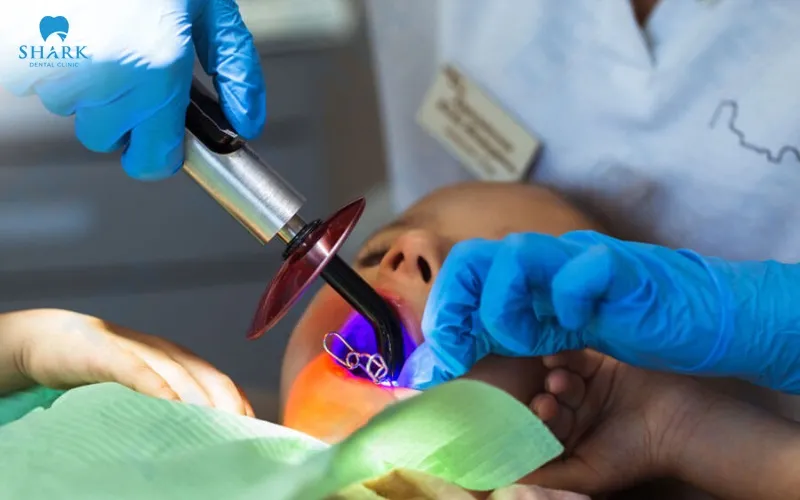
The laser has the ability to concentrate its energy on the particular area that it needs to act on, which helps the dentist to control the extent of the treatment in an accurate way. When it is used with the correct settings and in the correct position, the settings must be carefully controlled to reduce the risk of thermal effects on the surrounding tissue, and this makes a contribution towards preserving both the structure of the tooth and the healthy tissue around it.
Faster healing and recovery time
Strengthening the cleaning and the control of bacteria within the root canal system can support the process of recovery after the treatment has been carried out. When the inflammation and the infection are kept well under control, the tissues around the root apex are in a better position from which to recover. However, the healing time is not the same from one person to the next, and it also depends on how severe the infection was, as well as on the condition of the tooth before the treatment began.
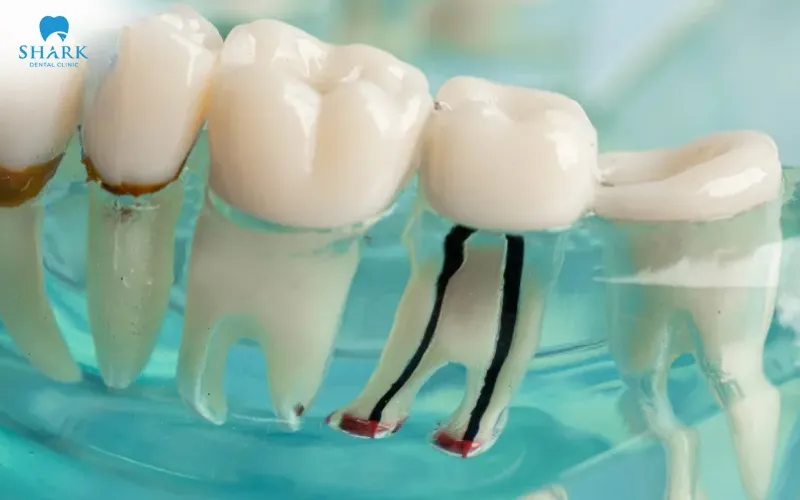
Laser versus traditional root canal treatment
Laser root canal treatment and traditional root canal treatment both work towards the same overall goal, which is to remove the pulp tissue that has become inflamed and infected, to control the bacteria within the root canal system, and to preserve the natural tooth itself. The main difference lies in the way in which the root canal is cleaned and disinfected, and in the fact that the laser is used as a method that supports the standard endodontic procedure, rather than as something that completely replaces the steps involved in traditional treatment.
Comparison of procedure precision
Traditional root canal treatment mainly uses endodontic instruments in combination with irrigating solutions, in order to remove the pulp tissue and to clean and disinfect the root canal system. Laser root canal treatment, on the other hand, can add laser energy into the procedure after the mechanical and chemical cleaning steps have been completed, in order to help act on the bacteria and the biofilm in those areas that are difficult to reach.
The laser has the ability to concentrate energy on the area that is being treated, but how effective this turns out to be still depends on the structure of the root canal, on the type of laser, on the settings that are used, and on the technique of the dentist. For that reason, it should not be understood to mean that the laser is able to clean the whole of the root canal system more accurately in every single case. In practice, the standard disinfecting solutions such as sodium hypochlorite still hold an important role, and the laser is usually regarded as a supporting method within endodontic treatment.
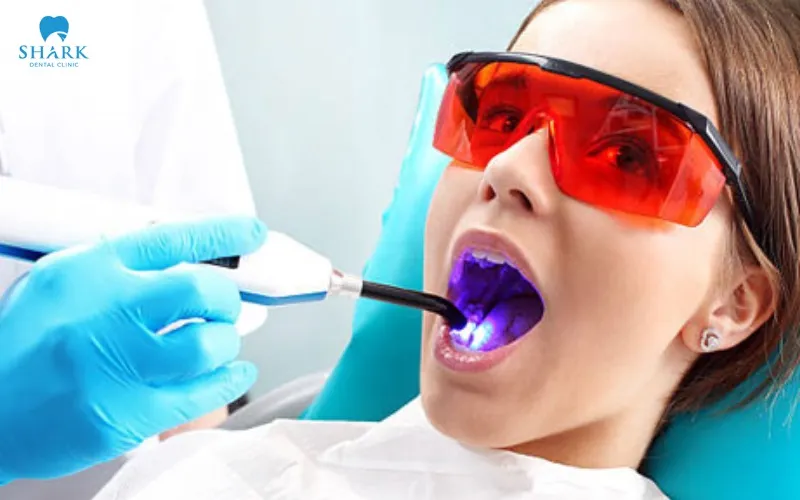
Differences in treatment outcomes
Both of these methods have the goal of controlling the infection and of keeping the natural tooth in place over the long term as well. A number of studies show that adding the laser in can help to reduce the level of pain or discomfort during the first few days after the treatment. However, these results mainly reflect the supporting benefits that the laser brings with it, and there is not yet enough of a basis on which to state that this method delivers long term results that are superior to those of traditional root canal treatment.
Who is a candidate for laser endodontics?
Not every case of root canal treatment is a suitable one for the application of laser technology. After carrying out an examination and the relevant diagnostic imaging, the dentist will assess how suitable the method would be, and some of the cases that may be considered include the following:
- People whose root canal system is relatively straight and is not overly narrow or complex.
- People who need the cleaning and the disinfection of the root canal to be strengthened.
- People whose root canal structure is suited to the laser technique, based on its shape, its size, and on how accessible it is.
- People for whom the dentist has prescribed it after carrying out an examination and after assessing the diagnostic images.
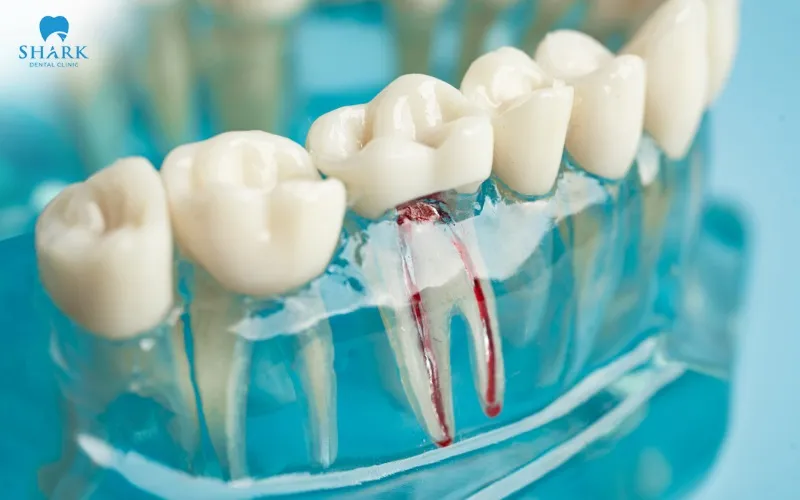
What to expect during your procedure?
Laser root canal treatment is carried out on the basis of the standard endodontic procedure, and within that procedure the laser technology is used as a method that supports the disinfection of the root canal system. Depending on the condition of the tooth and on the structure of the root canal, the dentist will build a treatment plan that is suitable for the case.
- Step 1 – Diagnosis and imaging: The endodontist carries out an examination and uses digital imaging in order to assess how severe the infection has become, what condition the tooth is in, and what the structure and characteristics of the root canal system are. The results of the diagnosis help the dentist to determine which method of treatment would be the suitable one.
- Step 2 – Removing the infected pulp tissue: After the anaesthetic has been given, the dentist creates an access route into the pulp chamber and uses specialised endodontic instruments in order to remove the part of the pulp tissue inside the tooth that has become inflamed and infected. The root canals are also shaped in order to support the cleaning process that follows.
- Step 3 – Cleaning and laser-assisted disinfection: The root canal system is cleaned using endodontic instruments in combination with the irrigating solutions. After that, the laser can be used as a supporting method, in order to act on the bacteria and the biofilm that are still present in the small spaces inside the root canal system.
- Step 4 – Filling and restoring the tooth: Once the root canal system has been cleaned and disinfected, the dentist goes on to fill and seal it, so that bacteria are not able to make their way back in. Depending on the condition of the tooth tissue that remains, the tooth can be restored using a suitable method, in order to protect its natural structure and to bring back the ability to eat and chew.
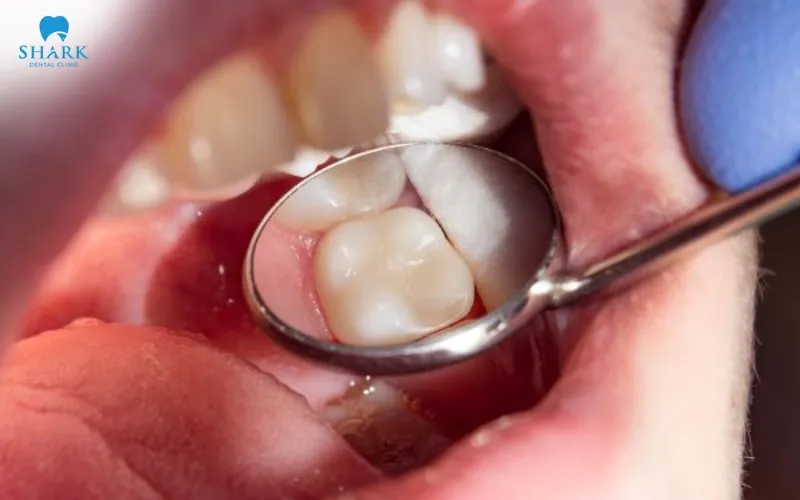
Frequently asked questions
While looking into this method, many customers still have a number of things that they are unsure about, and below are the questions they most commonly ask, along with detailed answers to each of them.
Is laser root canal treatment more expensive?
The cost of laser root canal treatment can often be higher than the cost of the traditional method, because of the additional technology and the laser equipment that are used to support the course of treatment. However, the actual price still depends on the condition of the tooth, on the number of root canals, on how severe the infection is, on the type of laser that is used, and on the policy of each individual dental practice.
Are there any risks associated with dental lasers?
Using laser energy in a way that is not appropriate can raise the temperature in the area that is being treated and can have an effect on the tissue around it. Alongside this, the laser is not able to completely replace the mechanical cleaning and the chemical disinfection steps that are involved in root canal treatment.
In summary, the information set out above should help you to understand more clearly about the key laser root canal treatment advantages. This approach may support disinfection and reduce short-term postoperative discomfort in selected cases, protecting the treated site effectively. Shark Dental Clinic hopes this knowledge helps you care for and protect your oral health safely while achieving your desired treatment results.
>>> See more: Can root canal cause headache?