
Porcelain veneers are a cosmetic dental solution that can deliver highly effective restoration results and significantly improve the appearance of teeth. However, this method often comes with a relatively high cost and may not be suitable for all individuals or dental conditions. In the article below, we will introduce a range of effective and safe alternatives to veneers, helping you better understand your options and choose a solution that fits your needs. Let’s explore the details together!
What are the best alternatives to veneers?
Instead of covering the entire tooth surface with veneers, there are many effective alternatives to veneers that can restore both function and aesthetics in a more conservative way. In many cases, patients may only need procedures such as dental bonding, teeth whitening, orthodontic alignment, or individual restorations to achieve a naturally improved smile. Below are some of the most common and effective alternatives to dental veneers that you can consider:
Dental bonding as a conservative veneer alternative
Dental bonding is a minimally invasive solution that helps preserve the natural tooth structure. This method uses a composite resin material that closely matches the color of natural teeth. The resin is applied directly to areas such as gaps, chips, or minor cracks to restore the original shape and appearance of the teeth. This technique is relatively simple to perform, cost-effective, and suitable for many mild to moderate cosmetic concerns.
Teeth whitening for a brighter smile without veneers
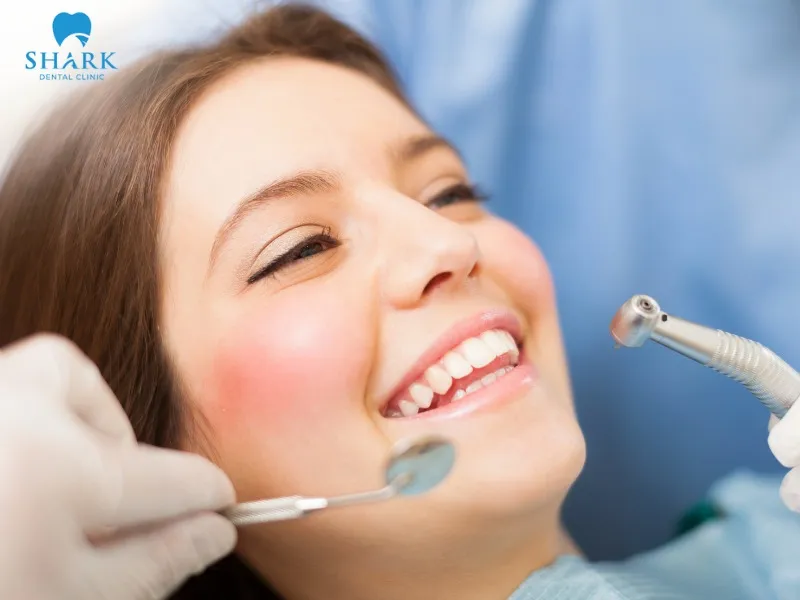
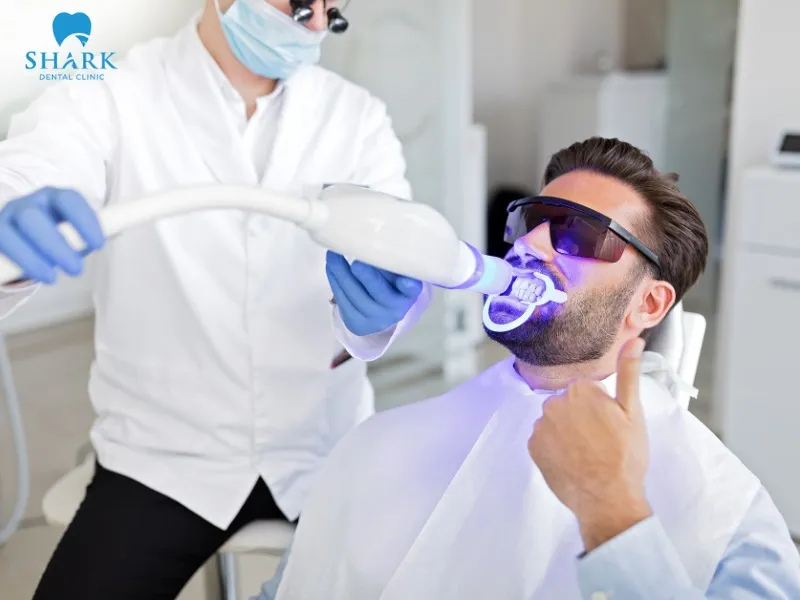
Teeth whitening is a popular option for improving tooth color without altering the structure or shape of the teeth. This method uses whitening agents with controlled concentrations, often combined with LED light or laser technology, to break down the bonds of stains and discoloration on the tooth surface. As a result, the teeth become noticeably brighter and more evenly colored in a natural-looking way.
Clear aligners as an alternative to veneers for alignment
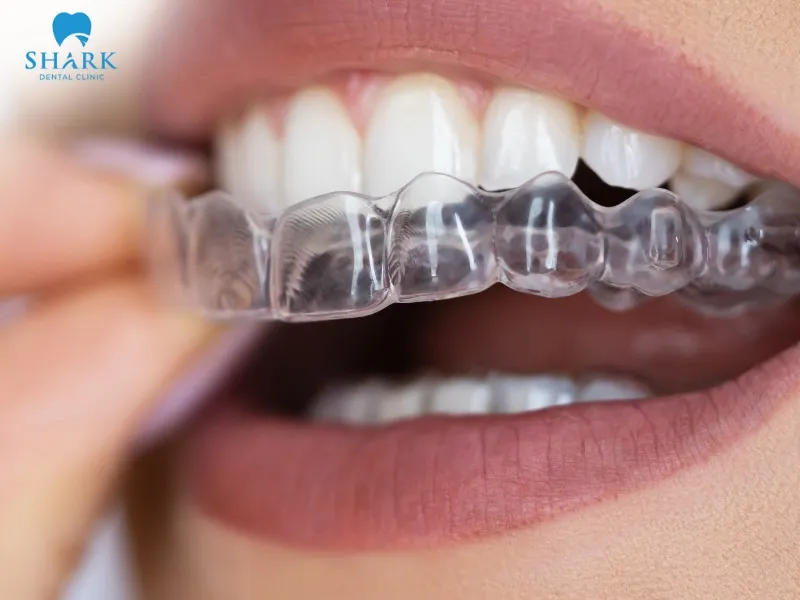
Clear aligner treatment, such as Invisalign, is a modern orthodontic solution designed to correct misaligned teeth. It uses transparent aligner trays that apply gentle, controlled pressure to gradually move teeth into their proper positions. This method not only helps improve bite alignment but also enhances the overall appearance of the smile, making the teeth look straighter and more balanced.
Dental crowns vs veneers: When full coverage is better?
Dental crowns cover the entire visible portion of the tooth, making them a suitable alternative in cases where the tooth has significant damage, large cracks, or has undergone root canal treatment. Unlike veneers, which only cover the front surface, crowns provide full protection and structural reinforcement. This method ensures optimal aesthetic results while also restoring full chewing function. In situations where the tooth condition is more severe, dental crowns can be a more comprehensive and durable alternative to veneers.
Enamel contouring and reshaping without veneers
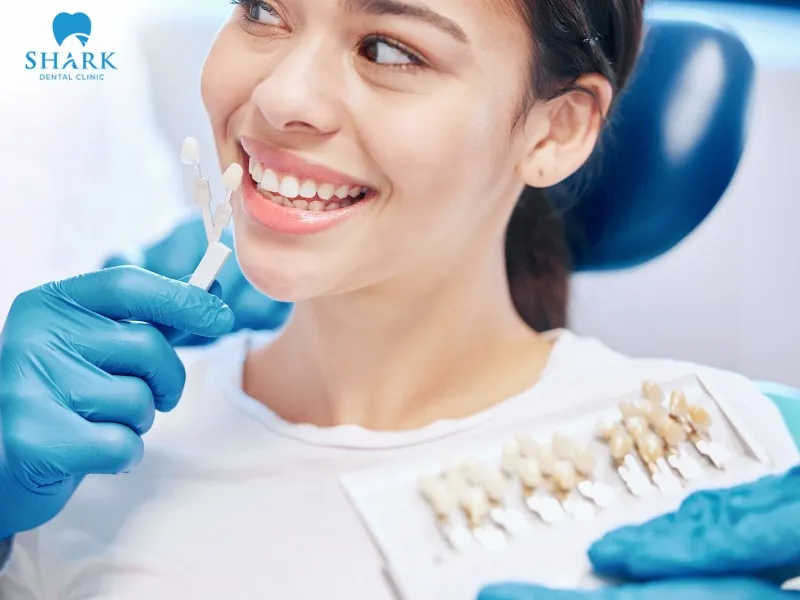
In certain cases, such as sharp tooth edges or uneven tooth surfaces that affect aesthetics, dentists may recommend enamel contouring and reshaping. This technique involves carefully adjusting the enamel to improve the symmetry and proportion of the teeth. It helps create a more balanced smile by correcting uneven lengths or minor shape imperfections.
Gum contouring to improve smile aesthetics
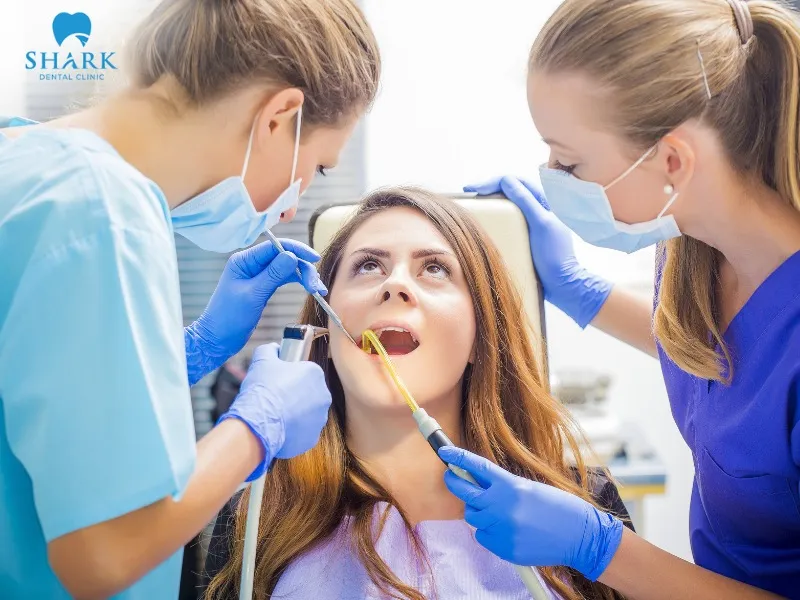
Gum contouring is a cosmetic procedure that is suitable for cases such as a gummy smile or an uneven, asymmetrical gum line. By reshaping and redefining the gum contour, the teeth can appear more proportionate and refined, helping the overall smile look more balanced, natural, and aesthetically pleasing. After the gum line is properly adjusted, the smile often appears brighter and more harmonious. This is considered one of the effective alternatives to veneers, and it is a popular choice for individuals looking to enhance their smile without altering the tooth structure itself.
How to choose the right alternative to veneers?
Depending on your actual oral condition and personal needs, a dentist will recommend the most suitable solution among various alternatives to dental veneers. Below are some important criteria to consider when making your decision:
- Actual dental condition: Based on specific issues such as misaligned teeth, chipped or cracked teeth, gaps, or discoloration, the dentist will suggest an appropriate treatment method to address these concerns effectively and achieve optimal results.
- Preservation of natural teeth: When choosing among alternatives to veneers, it is important to prioritize methods that help preserve the natural tooth structure. Dentists often recommend restorative solutions that minimize impact on the teeth, ensuring long-term strength and durability.
- Longevity: The durability and lifespan of each treatment option are also key factors to consider. For example, dental bonding may last approximately 3–5 years, while orthodontic treatments or dental crowns can maintain their effectiveness for 20–25 years with proper care.
- Cost considerations: Before selecting an alternative, you should carefully balance your aesthetic goals with your financial condition to choose a solution that is both suitable and sustainable.
Cost comparison of veneers vs alternative treatments
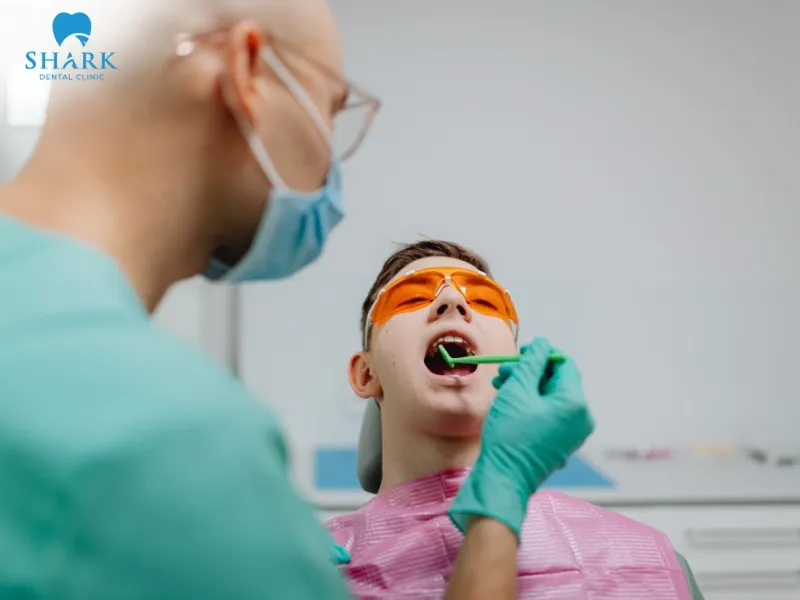
Below is a reference comparison of the costs between veneers and other common alternatives to veneers that you can consider:
| Dental restoration method | Estimated cost |
| Veneers | 6.000.000 – 12.000.000 VND per tooth |
| Dental bonding | 200.000 – 1.000.000 VND per tooth |
| Teeth whitening | 300.000 – 5.000.000 VND per session |
| Clear aligners (Invisalign) | 40.000.000 – 120.000.000 VND per case / full treatment |
| Dental crowns | 1.000.000 – 14.000.000 VND per tooth |
| Enamel contouring | 200.000 – 500.000 VND per tooth |
| Gum contouring | 1.000.000 – 20.000.000 VND per treatment |
The content above has helped you gain a clearer understanding of the most common alternatives to veneers available today. Each method comes with its own advantages and limitations, so it is important to consult with a dentist and carefully consider your actual condition, needs, and budget in order to make the most appropriate and effective choice!