
Gingivitis causes swollen, red, and bleeding gums. Beyond daily brushing and flossing, using an effective rinse is crucial for controlling bacteria and plaque buildup. If you are looking for the best mouthwash for gum disease and gingivitis, Shark Dental Clinic evaluates top clinical options to help restore your oral health below.
Understanding the role of mouthwash in gum health
Mouthwash can become an important and valuable part of your overall gum health care and management routine, thanks to its ability to help reduce bacteria, plaque, and irritation over time. That said, a mouthwash only really ever plays a supporting role, and it tends to work best when it’s used alongside proper oral hygiene practices, rather than relying on it entirely on its own. Mouthwash can offer a number of different benefits, including the following:
- Helping control bacteria: Certain active ingredients found in mouthwash formulas are able to kill off or inhibit the growth of bacteria associated with gingivitis and other related gum infections.
- Helping reduce plaque: Mouthwash can help control plaque, which is essentially the bacteria-containing film that tends to gradually build up on the surface of the teeth and around the gumline over time.
- Soothing irritated gums: Some mouthwashes contain anti-inflammatory ingredients that can help soothe gums that are currently swollen or irritated.
- Supporting daily oral hygiene: Mouthwash can be used together with regular brushing and interdental cleaning, which together help maintain gum health between your regular dental visits.

Key ingredients to look for in a gingivitis mouthwash
A mouthwash that’s specifically formulated to help with gingivitis usually contains active ingredients that help control bacteria, reduce the inflammatory response, and protect the teeth from any further problems down the line. Some of the more notable ingredient groups worth knowing about include:
Antimicrobial and antiseptic agents
Antimicrobial and antiseptic active ingredients help control the overall amount of bacteria present within the oral cavity, which in turn helps limit ongoing plaque buildup — one of the key underlying factors associated with gingivitis. Some of the ingredients that are commonly used for this purpose include:
- Chlorhexidine: Has notable antibacterial effects and is commonly used in mouthwash formulas to help control plaque buildup and gingivitis. Short-term use of chlorhexidine, as directed by a dentist, can help reduce plaque and gingivitis.
- Cetylpyridinium chloride (CPC): Helps control the overall level of bacteria present in the oral cavity, including helping to reduce plaque and inflammation in the areas located in between the teeth.
- Essential oils: Some formulas contain a combination of eucalyptol, menthol, methyl salicylate, and thymol, four common essential oils that are used together to help control bacteria and plaque buildup throughout the oral cavity.
Anti-inflammatory compounds
Beyond simply controlling bacteria, some of the ingredients found in mouthwash are also specifically aimed at reducing the inflammatory response and helping to improve the overall long-term condition of the gums. Zinc chloride is one such ingredient that gets used in some products, and zinc compounds may support plaque or breath control in certain formulations, but they should not be presented as a primary treatment for gingivitis.
In addition to this, Povidone-iodine may be used professionally in selected clinical settings and should not be recommended for routine home use without professional direction. Choosing and using these particular active ingredients should always be based on the actual, current condition of your teeth and gums, along with your dentist’s professional guidance whenever it’s deemed necessary for your specific case.
Fluoride for enamel and gum protection
Fluoride is an ingredient that’s frequently added to certain types of mouthwash, primarily in order to help prevent tooth decay from developing in the first place. This particular active ingredient helps strengthen the tooth enamel’s own natural protective capability, while also helping to create an environment that’s generally less favorable for the various harmful factors present within the oral cavity.
Some products on the market may use either sodium fluoride or stannous fluoride as their primary fluoride source. Of the two, stannous fluoride is particularly notable for both helping to prevent tooth decay and having additional properties that also help control gingivitis at the same time. However, the fluoride concentration and the specific ingredients involved can vary quite a bit from one product to another, so it’s generally best to choose based on your own actual, individual oral care needs.
>>> See more: Benefits of salt water rinse after tooth extraction
Top recommended mouthwashes for gum disease
The best mouthwash for gum disease and gingivitis actually comes in a wide variety of different formulas, each one with its own varying ingredients and intended uses. When choosing a product to help care for your gums, you should base your decision on the actual, current condition of your teeth and gums, your own personal level of sensitivity, and your dentist’s guidance, rather than simply choosing a product based on brand name alone. Some of the specific products that are worth considering and looking into further include the following:
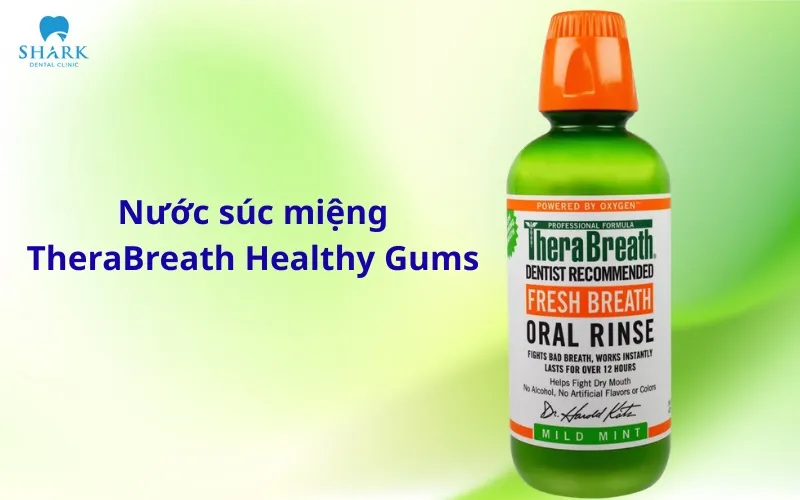
TheraBreath healthy gums oral rinse
TheraBreath Healthy Gums is an alcohol-free mouthwash that’s specifically aimed at helping control the bacteria associated with gingivitis. The product’s formula is specifically designed to target anaerobic bacteria in particular, and it features a suitable pH level that’s intended to help limit any discomfort experienced during use.
This particular product may be a good fit for people who are especially focused on controlling plaque buildup and caring for their gums on a daily, ongoing basis. That said, the actual effectiveness you personally experience will still depend a great deal on the condition of your teeth and gums, as well as exactly how the product is used in practice.
Listerine gum therapy antiseptic mouthwash
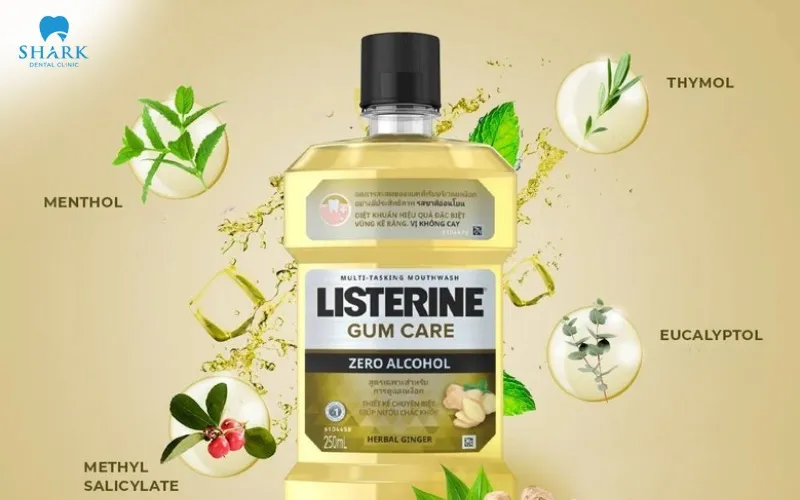
Listerine Gum Therapy uses a combination of several essential oils, including eucalyptol, menthol, methyl salicylate, and thymol, in order to help control bacteria and plaque buildup in the oral cavity. Some clinical studies have suggested that these particular ingredients can help reduce gingivitis over time, when the product is used consistently and appropriately.
This is an option that’s definitely worth considering for gum care and plaque control purposes, particularly when it’s combined with proper brushing habits and regular interdental cleaning.
CloSYS ultra sensitive mouthwash
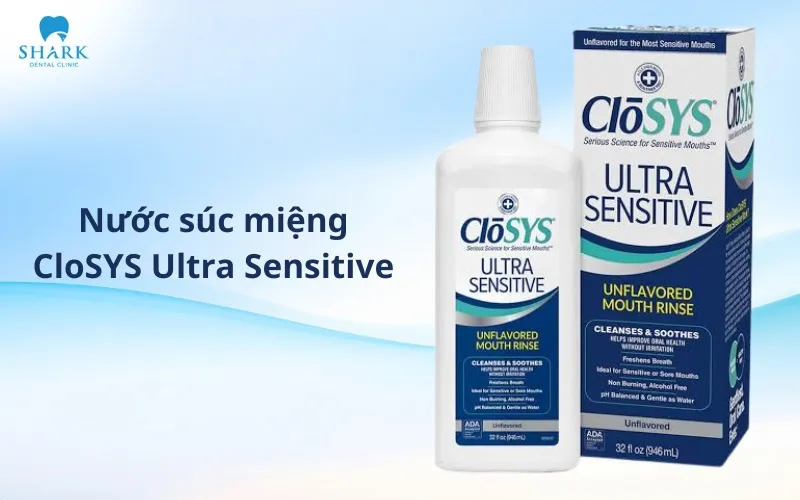
CloSYS Ultra Sensitive uses stabilized chlorine dioxide and contains no alcohol at all, aiming to control bacteria through a formula that’s notably gentle. The product has a well-balanced pH level, and it may be a good fit for people who have sensitive gums, or for those who tend to find strong antiseptic mouthwashes uncomfortable to use on a regular basis.
Choosing a product like this one should still ultimately be based on the actual condition of your teeth and gums, along with how well you personally respond to it in everyday practice.
Parodontax active gum health mouthwash
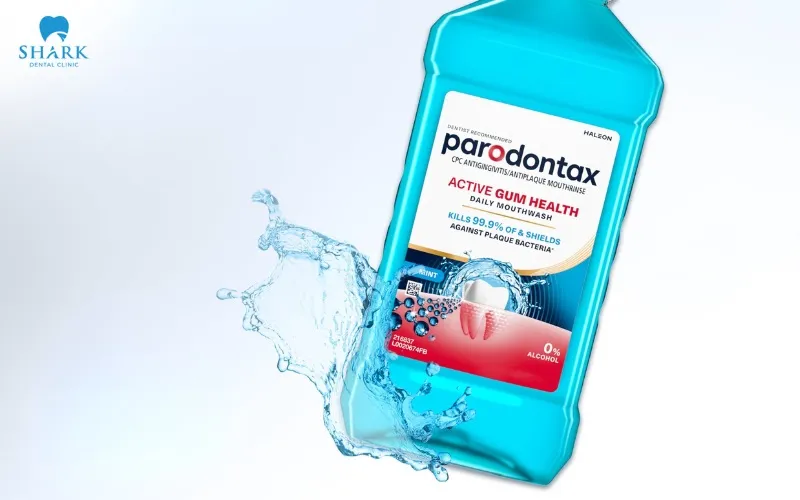
Parodontax Active Gum Health is specifically focused on supporting gum care and helping control gum bleeding. Its formula contains cetylpyridinium chloride (CPC), which helps protect the tooth enamel from the risk of decay, while also helping to control the various factors associated with gingivitis.
This particular product can be used as part of your regular daily oral hygiene routine, following either the instructions provided right there on the label or the specific recommendations given to you personally by your dentist.
Prescription options like chlorhexidine
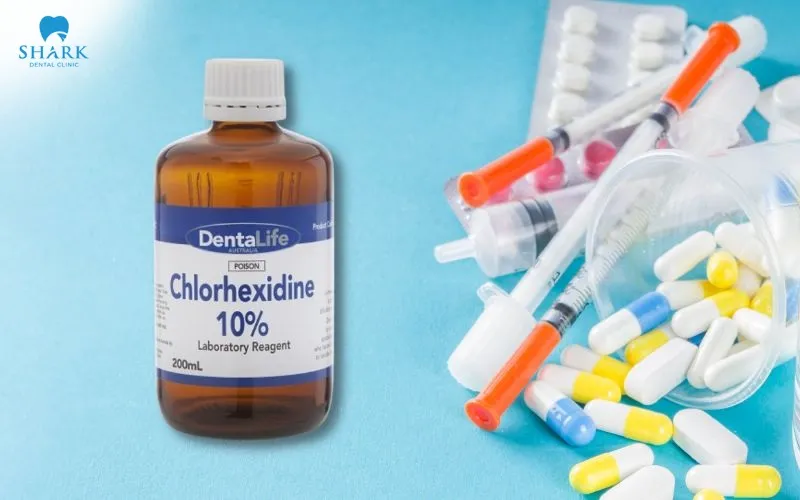
Chlorhexidine is an antibacterial active ingredient that’s typically used in certain specific cases to help control plaque and gingivitis, as prescribed by a licensed dentist. Compared to everyday, over-the-counter mouthwashes, chlorhexidine is typically only used in specific clinical situations, and only for an appropriate, limited length of time.
Because prolonged use can potentially cause certain undesirable side effects, such as tooth discoloration or a noticeable change in taste, you shouldn’t go ahead and use chlorhexidine long-term entirely on your own, without first getting proper guidance from a dentist. Your dentist will typically base their choice of product, concentration, and duration of use on the actual, current condition of your gums, along with your own specific treatment goals.
How to choose the right mouthwash for your needs?
The best mouthwash for gingivitis will generally contain a number of different ingredients, each one with its own varying level of effect. That’s exactly why, when choosing a gum care product for yourself, you should carefully consider the current condition of your gums, your own level of sensitivity, and your particular goals for using it, in order to choose the specific option that’s truly right for you.
Matching the formula to your gum disease stage
For mild gingivitis with only occasional bleeding, you might want to consider products that contain essential oils, such as Listerine Gum Therapy, in order to help control bacteria and plaque buildup more effectively. Meanwhile, cases involving moderate to severe gingivitis may require products that contain chlorhexidine, specifically as prescribed by a dentist, in order to help control bacteria as effectively as possible.
If your gum bleeding continues even after maintaining regular, consistent oral hygiene habits, you should go see a dentist so you can determine the underlying cause, rather than switching on your own to a product with a much higher concentration of active ingredients. Depending on your own specific situation, your dentist may go ahead and prescribe a suitable mouthwash for you personally, along with clear guidance on exactly how long you should continue using it.
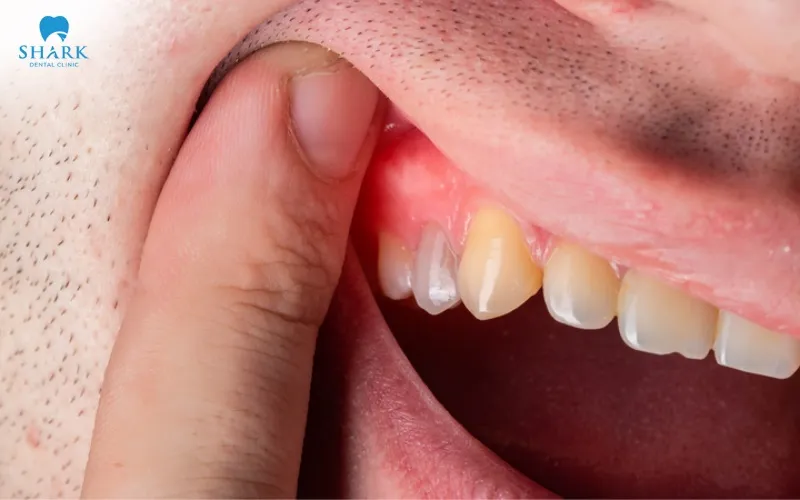
Selecting alcohol-free options for sensitive gums
If your gums tend to be prone to irritation, or you often notice a burning sensation when using mouthwash, you may want to prioritize choosing an alcohol-free formula instead of a stronger one. Products like CloSYS Ultra Sensitive or TheraBreath are specifically designed to be gentler on sensitive gums, helping you feel noticeably more comfortable throughout the entire process of using them.
In particular, people who have dry mouth or already sensitive gums should pay especially close attention to how well they personally tolerate any given product. A truly well-suited formula doesn’t just help control bacteria on its own — it also helps you maintain a consistent daily routine without experiencing any ongoing discomfort.
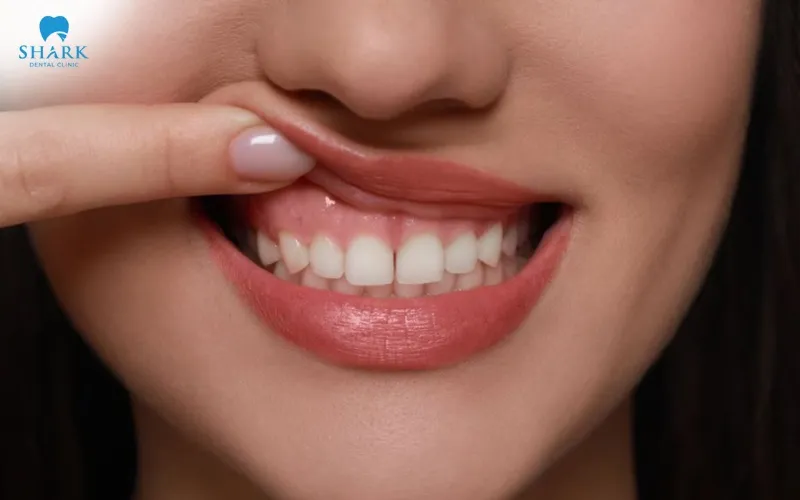
Best practices for using mouthwash effectively
For mouthwash to properly support your overall gum care and management routine, you should be sure to use the right amount, at the right time, and stick with it consistently according to whatever instructions are provided. Here are some important tips that are worth keeping in mind in order to get the best possible results out of your mouthwash routine:
- Use the amount of mouthwash that’s recommended right there on the product label, which is usually somewhere in the range of about 10-15 ml per use.
- Rinse for somewhere around 30 seconds up to a full minute, so that the active ingredients involved have enough time to make proper, thorough contact with the entire oral cavity.
- Avoid eating, drinking anything, or rinsing your mouth out with plain water for at least 30 minutes afterward, unless the product’s own instructions specifically state otherwise.
- You can generally use it twice a day, at the time stated on the product label; some mouthwashes should be used separately from toothbrushing, if the particular product in question allows for that frequency, or you can simply follow whatever specific frequency your dentist recommends instead.
- For prescription mouthwashes in particular, and especially for chlorhexidine, be sure to use the correct concentration, dosage, and duration of use exactly as prescribed by your dentist — and don’t go ahead and extend the usage period on your own without first checking with them.

When to see a dentist for gum disease
Mouthwash only ever plays a supporting role when it comes to caring for and managing your gum health — it simply can’t replace a professional dental exam and proper treatment from a dentist. If you happen to notice any of the following unusual signs appearing, you should go ahead and schedule a visit with your dentist to get checked out properly and determine the underlying cause:
- Gums that bleed on a fairly regular basis when brushing your teeth or flossing.
- Persistent bad breath that continues to linger day after day, despite maintaining regular, consistent oral hygiene habits.
- Gums that remain visibly red, swollen, or sore for an unusually prolonged period of time, without any real improvement.
- Gums that appear to be gradually receding over time, making the affected teeth look noticeably longer than usual.
- Loose or shifting teeth, or a noticeable change in the way your bite feels when you close your mouth.
- The appearance of pus in the area between the teeth and gums.
- Ongoing pain or noticeable discomfort while chewing food.
These particular symptoms could potentially be related to underlying gum or periodontal issues of some kind, and they really do need to be properly evaluated in person by a qualified dental professional. Depending on the specific condition involved, your dentist may then go on to recommend an appropriate course of treatment, which could include something like a deep cleaning, targeted periodontal treatment, medication, or some other kind of specialized intervention altogether.
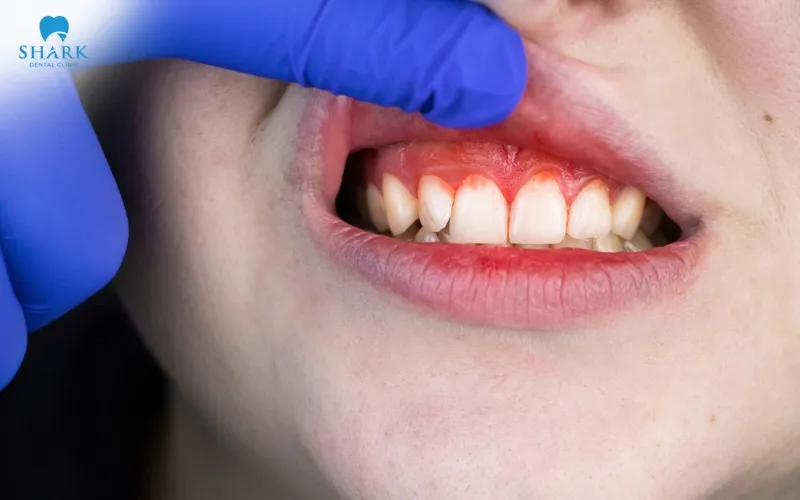
Frequently asked questions
Below are some of the more common questions that people tend to have when researching the best available mouthwash options for gingivitis, including the best mouthwash for gum disease and gingivitis.
Can mouthwash cure gum disease on its own?
The short, straightforward answer to this is no. Mouthwash mainly helps control bacteria, plaque buildup, and gingivitis on a day-to-day basis, but it simply can’t fully replace professional dental treatment on its own, no matter how consistently it’s used. If you notice any signs of gum disease starting to develop, you should go see a dentist as soon as you reasonably can, so you can determine the underlying cause and choose the treatment method that’s truly right for your particular situation.
How often should I use mouthwash for gingivitis?
Generally speaking, mouthwash can be used twice a day, right after brushing, provided that the specific product in question actually allows for that particular frequency. However, the exact frequency and duration of use can end up varying quite a bit from person to person, depending on the specific type of mouthwash involved and the current condition of your gums at the time. This is especially true for products that contain treatment-level active ingredients like chlorhexidine, in which case you should be sure to follow your dentist’s instructions as closely and carefully as possible.
Choosing the best mouthwash for gum disease and gingivitis requires focusing on clinically proven antibacterial ingredients. At Shark Dental Clinic, we recommend selecting formulas with chlorhexidine or cetylpyridinium chloride to eliminate harmful bacteria, reduce tissue inflammation, and maintain long-term periodontal health. Consult your dentist to select the most effective product for your specific oral health needs.
>>> See more: Teeth whitening mouthwash