
Many people choose dental veneers to achieve a whiter, brighter, and more balanced smile appearance. However, after using veneers for a certain period of time, many individuals begin to pay close attention to the condition of their teeth after veneers removed, wondering how the teeth may change, whether they become weaker or more sensitive, and if they can be restored to their original condition. To better understand the changes related to teeth after veneers are removed, let Shark Dental Clinic explore the details in the article below.
Can veneers be removed and not replaced?
From a technical perspective, veneers can absolutely be removed without being replaced immediately afterward. However, this option is rarely recommended by dental professionals because, during the veneer placement process, a thin portion of the natural tooth enamel is typically reshaped or reduced to help the veneers bond securely and fit more naturally against the tooth surface.
Once the veneers are removed, the teeth underneath may become more vulnerable and noticeably more sensitive because they no longer have the same protective enamel layer as before. Many patients may experience discomfort or sensitivity when consuming hot, cold, or sweet foods and beverages. In addition, the teeth may become more susceptible to staining, surface wear, or minor enamel damage over time due to the reduced natural protection.
Furthermore, the enamel that was adjusted before veneer placement cannot naturally regenerate or return to its original condition. For this reason, in the majority of cases, dentists often recommend replacing the old veneers with new veneers or considering another suitable restorative treatment option to continue protecting the natural teeth after veneer removal.
However, in situations where the original veneers required only minimal enamel reduction, some conservative restoration methods may still be considered depending on the patient’s condition. The final decision should always be evaluated carefully by a cosmetic dentist based on the current enamel condition, the extent of the previous tooth preparation, the level of sensitivity, and the aesthetic expectations and oral health needs of each individual patient.
>>> See more: Alternatives to veneers
What do teeth look like after veneers are removed?
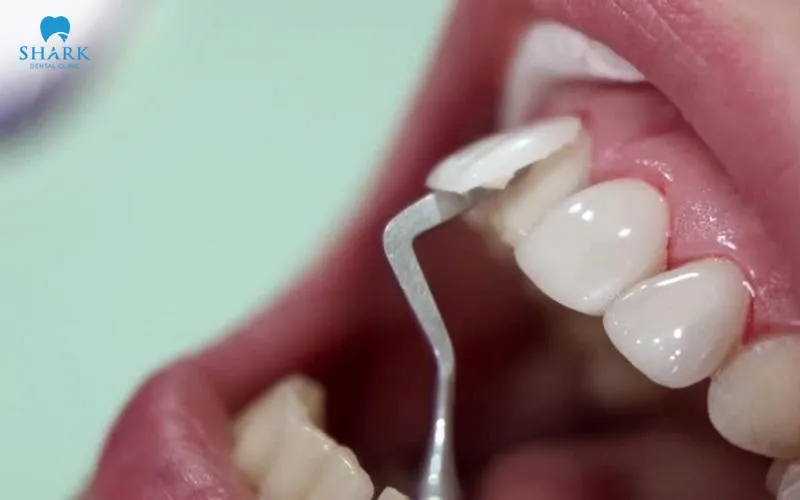
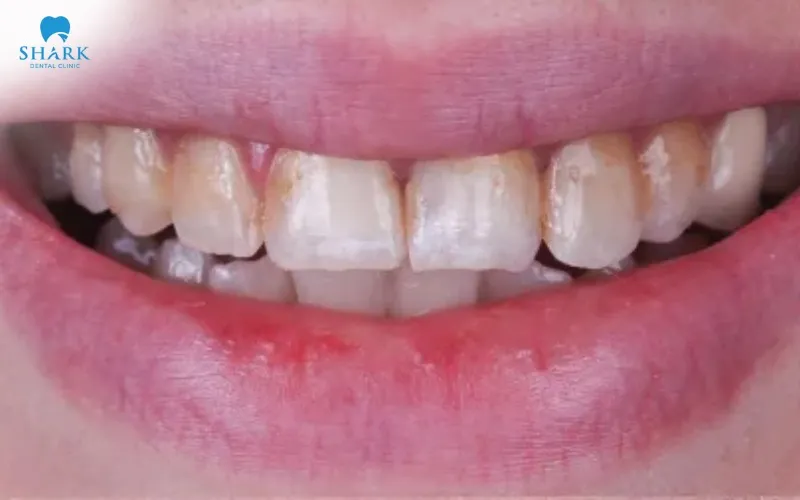
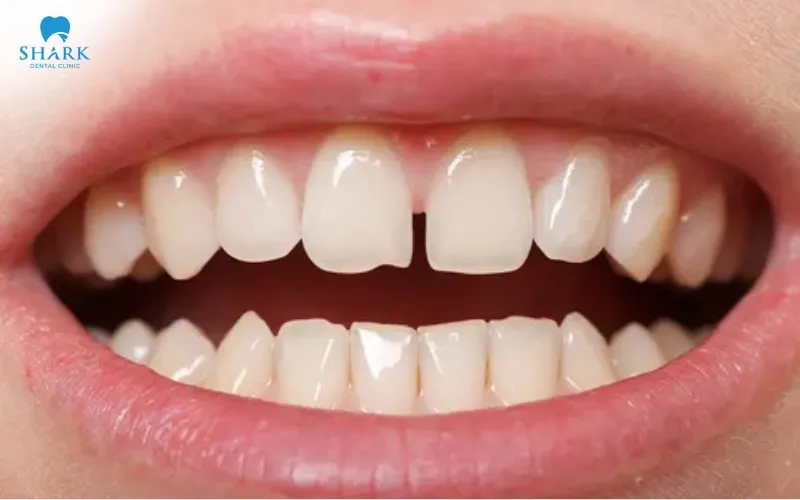
After veneers are removed, many people notice that their teeth may no longer appear as white, smooth, or aesthetically balanced as they did while wearing veneers. Depending on how much enamel was originally reshaped during the preparation stage, teeth after veneers removed may appear thinner, slightly darker, less even, and more sensitive compared to natural teeth that have never undergone cosmetic restoration treatment.
The primary reason for these changes is related to the preparation process performed before the veneers were bonded to the teeth. In most veneer procedures, dentists need to remove or reshape a very thin layer of enamel so the veneers can fit closely against the tooth surface and create a more natural and comfortable appearance. After the veneers are removed, this enamel layer cannot regenerate or restore itself naturally. As a result, patients may notice several common changes after veneer removal, such as:
- Teeth may become more sensitive to hot, cold, or sweet foods and drinks because the natural protective enamel layer has become thinner than before.
- The natural brightness, translucency, and glossy appearance of the teeth may decrease compared to the look achieved while wearing veneers, especially in cases where the original enamel had a naturally darker shade.
- The teeth may appear slightly smaller, less symmetrical, or less even, depending on the amount of enamel reshaping performed during the original veneer procedure.
- Minor uneven textures or slight surface irregularities may appear because the enamel surface was previously adjusted and prepared for veneer bonding.
However, these changes are generally considered normal after veneers are removed and do not necessarily indicate severe or permanent tooth damage. In most cases, dentists will recommend suitable restorative or cosmetic treatment options to help improve aesthetics while also protecting the natural teeth more effectively following veneer removal.
Do teeth return to their original state after veneers are removed?
In most cases, teeth will not fully return to their exact original condition after veneers are removed. The main reason is that, before veneers are placed, dentists usually need to reshape or remove a thin layer of natural enamel to create proper bonding strength and allow the veneers to fit more naturally and comfortably on the tooth surface. Once this enamel layer has been reduced, it cannot naturally regenerate or grow back again.
After veneer removal, the teeth may appear thinner, less glossy, or more sensitive compared to their condition before cosmetic treatment. Some people may also experience temporary sensitivity or discomfort when consuming hot, cold, or sweet foods and beverages because the natural protective enamel layer has become thinner than before.
However, this does not necessarily mean the teeth are severely damaged or that patients must continue wearing veneers permanently for the rest of their lives. Depending on how much enamel was originally adjusted, dentists may still recommend suitable restorative or cosmetic solutions to improve aesthetics while also protecting the natural teeth after veneer removal.
In certain situations where only minimal enamel reduction was performed, the teeth may still maintain relatively stable chewing function and appearance when cared for properly. Additionally, other restorative methods may also be considered to help cover, strengthen, and protect the previously treated tooth surfaces more effectively over time.
Frequently asked questions about teeth after veneers removed
Many people who have undergone veneer treatment often wonder whether removing veneers may negatively affect their natural teeth afterward. Below are some of the most common concerns and questions patients frequently ask before deciding to remove their veneers, helping you better understand the condition of teeth after veneers are removed and what changes may occur afterward.
Will my teeth be damaged after the veneers come off?
Generally, veneer removal itself does not cause additional damage to the teeth when the procedure is performed properly by experienced and qualified dental professionals. Most of the changes that patients notice after veneers are removed are mainly related to the enamel reshaping process performed before the veneers were originally bonded, rather than the veneer removal procedure itself.
During the treatment process, dentists always aim to preserve as much healthy, natural tooth structure as possible while minimizing unnecessary impact on the enamel surface. After the veneers are removed, dentists may also recommend suitable restorative or cosmetic treatment options to help protect the tooth surface, improve aesthetics, and maintain oral function more effectively.
Can I get my natural teeth back after veneers?
In most cases, the teeth cannot completely return to their exact original condition because a thin portion of the enamel was previously adjusted to allow the veneers to bond securely and fit naturally on the teeth. However, this does not mean the teeth will become permanently weak, severely damaged, or unattractive after veneer removal. With proper oral care habits, regular dental checkups, and suitable restorative solutions when necessary, the teeth can still maintain a relatively natural appearance along with stable chewing ability and overall oral function after veneers are removed.
Is veneer removal painful?
Most patients only experience mild discomfort or slight sensitivity during the veneer removal procedure and usually do not experience significant pain. When necessary, dentists may use local anesthesia to help make the process feel gentler, smoother, and more comfortable throughout the treatment session. The level of sensitivity experienced after veneer removal often depends on several factors, including the condition of the enamel, the amount of enamel that was previously reshaped, and the natural tooth sensitivity of each individual patient.
Cost for teeth after veneers removed and restoration
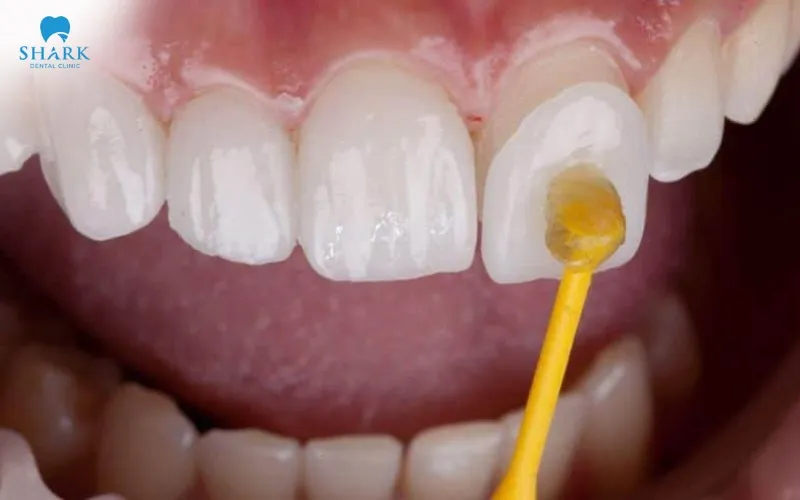
After veneers are removed, many patients may need additional restorative treatment to help protect the natural teeth, improve aesthetics, and maintain stable chewing function. Depending on the condition of the enamel, the number of teeth being treated, and the restoration method selected, the overall cost can vary significantly from case to case.
- Composite cosmetic bonding is one of the common methods used after veneer removal. The cost of this treatment typically ranges from approximately $260 – $465 per tooth, depending on the tooth position and the size of the restoration area. In many cases, front teeth may involve higher costs because they require greater aesthetic precision and more detailed shaping techniques to achieve a natural-looking appearance.
- For cases that require a longer-lasting cosmetic restoration, dentists may recommend placing new veneers. The cost of porcelain veneers generally ranges from around $1,700 – $2,500 per tooth. This price usually includes the porcelain material, laboratory fabrication costs, and the restorative expertise of the cosmetic dentist performing the procedure.
In addition, the total treatment cost can also depend on several other important factors, including the condition of the teeth after the veneers are removed, the number of teeth requiring restoration, the type of materials selected, and the experience and skill level of the dentist. For this reason, patients are generally advised to undergo a direct dental examination so the dentist can accurately assess the condition and recommend the most appropriate restoration option based on both aesthetic goals and budget considerations.
In summary, teeth after veneers removed may appear slightly thinner, darker, or more sensitive compared to their original condition because the teeth have previously undergone enamel reduction during veneer preparation. With the information shared above, Shark Dental Clinic hopes you now have a clearer understanding of this condition, helping you gain more useful knowledge about protecting and caring for your oral health safely and effectively while maintaining long-term dental stability and aesthetics.