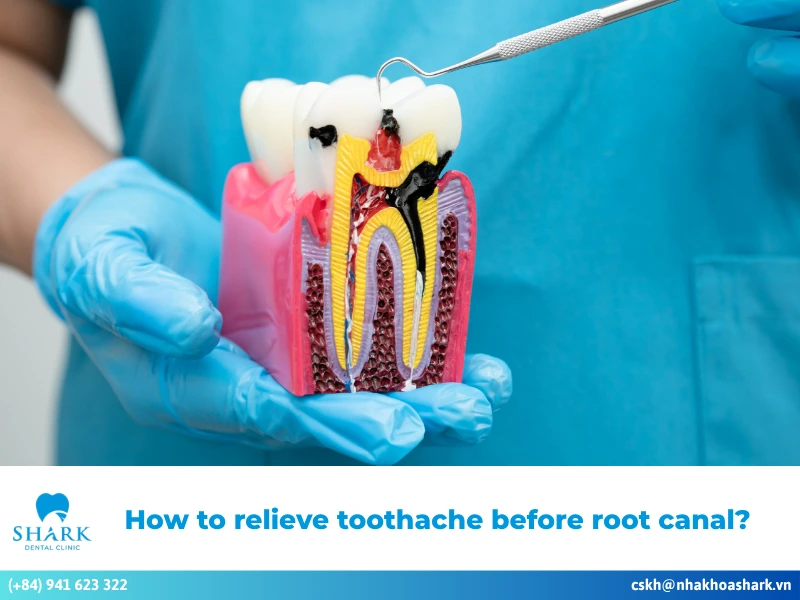


Dental filling is a technique that helps to restore the original shape of a tooth while also protecting the natural tooth from being attacked by the bacteria that are present inside the oral cavity. In addition to the restorative and aesthetic benefits that this procedure provides, many patients also find themselves asking a related question: Do they have to drill for a filling? If you happen to share this same concern, we invite you to explore the information presented in the article below!
Do they have to drill for a filling?
Depending on the specific condition of each patient’s teeth, the dentist will either recommend drilling before placing a filling or determine that drilling is not necessary at all. For this reason, before carrying out a cosmetic filling procedure, the dentist must first conduct a thorough examination and carefully assess the degree of damage present in the patient’s mouth.
When drilling is absolutely necessary
Drilling before a filling is considered an unavoidable requirement whenever the structure of the tooth has already suffered serious damage or destruction. In such cases, drilling helps the dental filling material to bond more securely and more firmly onto the surface of the natural tooth.
- Severe tooth decay: In cases where tooth decay has been present for a long period of time and bacteria have already aggressively attacked the enamel and the dentin, causing the tooth to become crumbly and infected, drilling becomes necessary. Drilling before placing the filling helps to remove the damaged tooth tissue and helps to prevent the infection from spreading further, which would otherwise affect the overall effectiveness of the restoration.
- Replacing an old filling: When an old filling has developed a gap around its edges or has fallen out of the tooth entirely, drilling should be used in order to clean away any remaining dental material left behind. This allows the new filling to bond much more firmly to the surface of the tooth.
- Shaping the filling: In certain specific cases, the dentist may also recommend drilling in order to help shape the filling material appropriately.
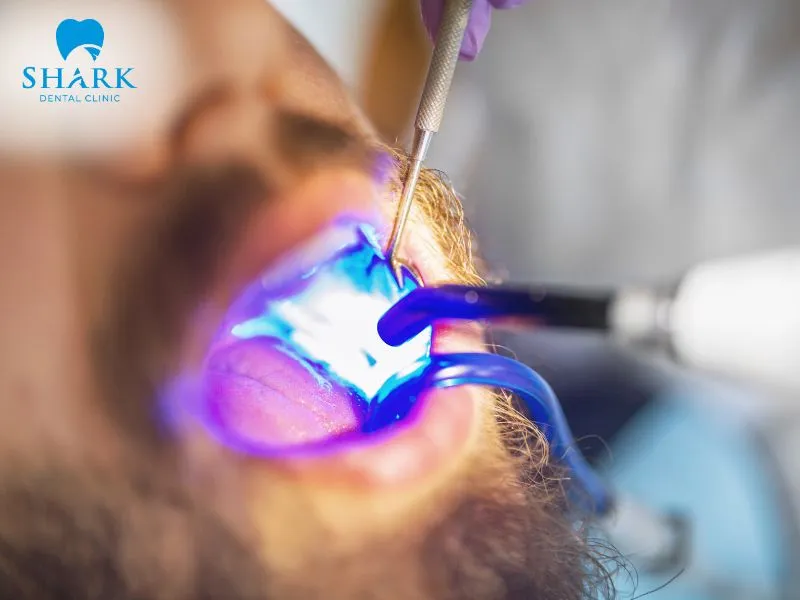
When you can get a filling without drilling?
Not every case that requires a filling also requires drilling beforehand, as explained in more detail below.
- Mild tooth decay: In cases where the tooth decay is still in its early stage and has not yet caused serious damage, the lesion may sometimes be managed without conventional drilling or filling, without the need for any drilling procedure at all.
- Preventive fillings: For patients whose oral health is otherwise completely healthy, and who are simply having a filling placed as a preventive measure against future decay, drilling is not required.

Modern drill-free alternatives for dental fillings
Within the field of modern dentistry, there are a number of filling methods available today that deliver excellent results without requiring the use of a drill at all. You can find some of these methods described in detail below.
Air abrasion technology
Air abrasion is a dental technology that uses a high-pressure stream of air to propel extremely fine microscopic particles, which help to remove small areas of decayed tooth structure from the surface of the tooth. This method helps to prepare the tooth surface in an ideal way and increases the adhesion of the filling material, all without the need to drill directly into the tooth.
Laser dentistry
For cases involving selected areas of decayed tooth structure, the dentist may consider using a laser beam at an appropriate wavelength in order to remove the inflamed tissue inside the oral cavity. The advantages of this method include its strong antibacterial capability, its minimal impact on the underlying tooth structure, and the fact that it may reduce vibration and discomfort, although local anesthesia may still be required.

Silver Diamine Fluoride (SDF)
This method makes use of a liquid solution known as silver diamine fluoride, which offers strong antibacterial properties while also helping to arrest the progression of certain carious lesions. This method is popular because it optimizes both the time and the overall procedure involved, minimizes any feeling of pain, and does not require the use of a drill on the surface of the tooth at any point.
Icon resin infiltration
The dentist applies a solution with mild acidic properties in order to widen the tiny porous openings on the surface of the tooth. After this, the dentist introduces a light-curing resin material known as Icon into these openings and hardens the dental material using a curing light. As a result, the resin penetrates the porous enamel lesion, which helps the filling material bond tightly to the surface of the tooth.
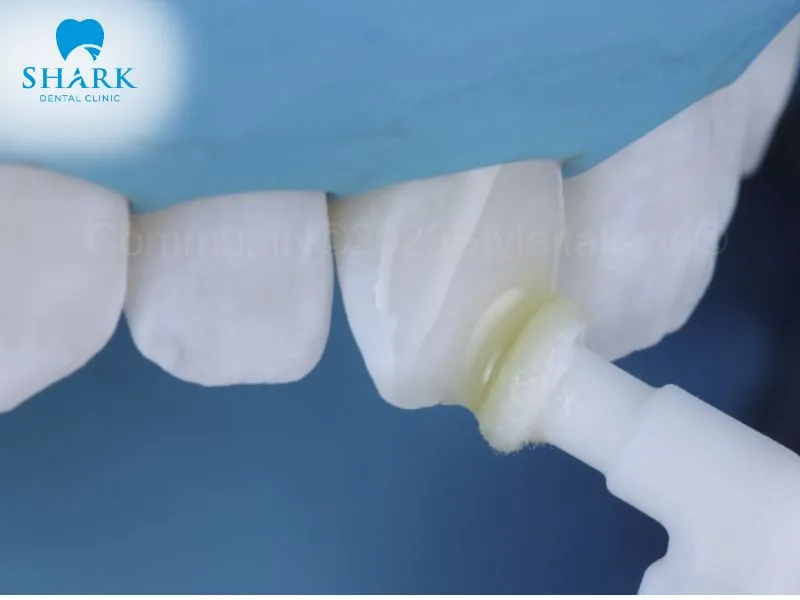
Pros and cons of drill-free dental fillings
Drill-free fillings are widely regarded as a major step forward in the field of cosmetic dentistry. However, this method still comes with both its own advantages and its own limitations, as outlined below.
Key advantages of avoiding the drill
- Preserving the natural tooth: Drill-free fillings have absolutely no impact on the structure of the natural tooth itself; instead, they only clean away inflamed tissue and remove harmful bacteria.
- No pain involved: Because this method relies on modern technology, it causes absolutely no pain or discomfort at any point during the procedure.
- Preventing further decay: Thanks to the use of advanced technologies such as laser treatment or Icon resin infiltration, this method helps to eliminate bacteria at an early stage, which in turn helps to prevent tooth decay from developing further.

Limitations of drill-free methods
- Limited scope of application: Drill-free fillings are only suitable for cases of mild, newly developed tooth decay.
- Higher cost: Because these methods rely on advanced technology, drill-free fillings tend to cost considerably more than traditional filling methods.
- Reliance on modern equipment: Drill-free fillings depend on advanced technology and equipment, which means the dentist performing the procedure must have strong professional expertise and well-developed technical skill.
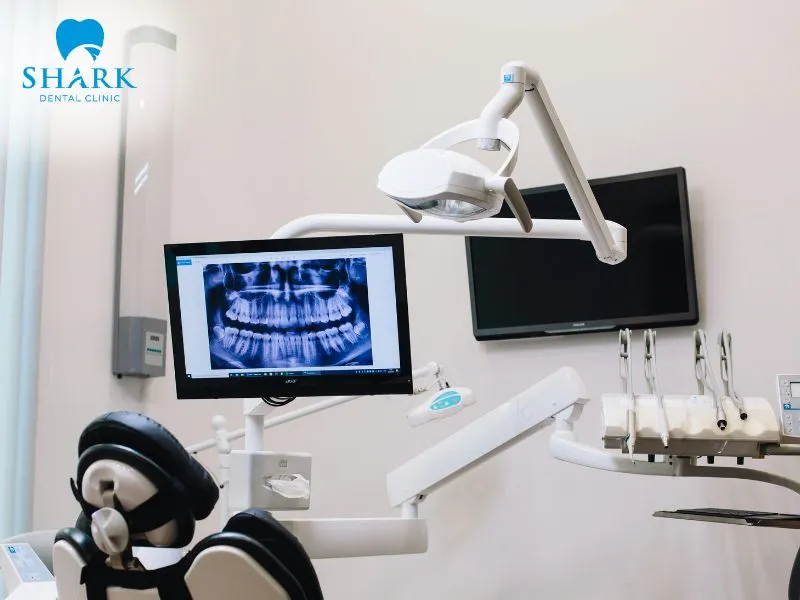
What to expect during a drill-free filling procedure?
The drill-free filling procedure takes place quickly and makes efficient use of time. Below are the individual steps involved.
- Step 1: The dentist conducts a general examination of the patient’s entire oral cavity and takes an X-ray in order to assess the extent of the damage and the current state of the tooth decay.
- Step 2: The dentist cleans the oral cavity and removes any tartar buildup in order to ensure a sterile environment before the filling procedure begins.
- Step 3: At this stage, the dentist considers using Icon technology, laser technology, or a specialized solution in order to clean the surface of the tooth and prepare it for the filling step that follows.
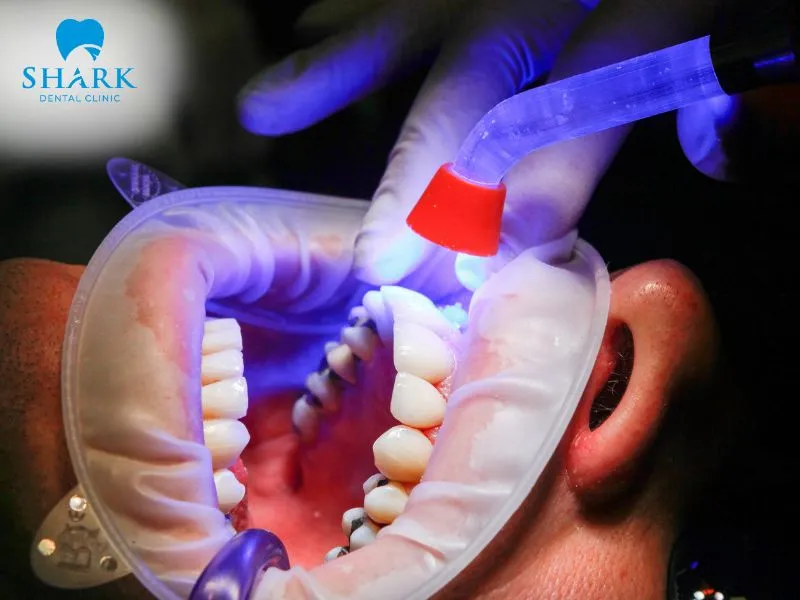
- Step 4: The filling material is applied to the surface of the natural tooth and is set in place using a curing light, which hardens the dental material. This particular step takes place very quickly and does not cause the patient any discomfort.
- Step 5: Finally, the dentist polishes the filling and checks once more to confirm that the patient’s bite is properly aligned, thereby completing the overall filling procedure.
How to prevent cavities and avoid the drill entirely?
Below are some measures you should consider that can help prevent tooth decay and reduce the likelihood of needing to drill before a filling is placed.
- Oral care: The daily habit of brushing your teeth is extremely important and plays a highly effective role in preventing tooth decay. For this reason, you should brush your teeth using fluoride toothpaste at least 2 to 3 times every day.
- Diet: You should follow a sensible and well-balanced diet, limiting foods that are high in sugar as well as carbonated soft drinks, among other items. In addition to this, you should also increase your intake of foods that are rich in calcium and vitamin D.
- Sealing pits and fissures: In cases where deep pits and fissures appear on the teeth, creating a risk that food particles and bacteria will accumulate within them, it is advisable to have these areas sealed early in order to help prevent tooth decay.
- Regular dental checkups: You should maintain the habit of having your teeth professionally cleaned and having regular dental checkups, so that any unusual issues within the oral cavity can be addressed promptly and tooth decay can be prevented.
The content presented in the article above covers all of the essential information related to the common question: Do they have to drill for a filling? Dental filling remains an extremely popular procedure that is widely used by many patients today. We hope that this article has helped you gain a clearer and better understanding of dental fillings, allowing you to make confident and well-informed decisions about your own dental restoration.
>>> See more: Why does my tooth filling hurt after months?