
Porcelain veneers are a popular cosmetic dental treatment, used to improve the color, shape, and overall appearance of teeth, and their ability to give people a beautiful, even smile with a genuinely striking result. Do veneers stink, and are there any other effects to watch out for after getting them placed? All of these common patient questions will be answered in detail in the article below!
Do veneers stink?
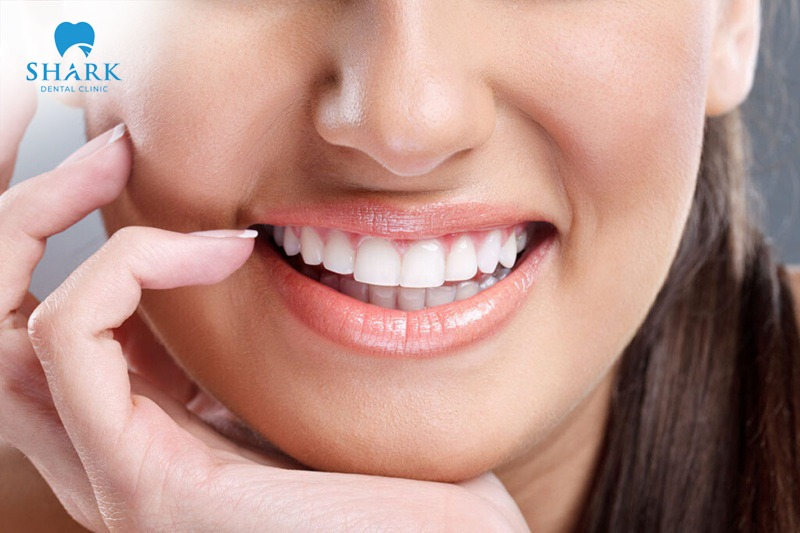
According to dental experts, porcelain veneers do not, in and of themselves, cause bad breath. This method uses an ultra-thin porcelain shell that is bonded directly onto the surface of the natural tooth, helping to create a more balanced, symmetrical tooth structure and correcting issues such as discoloration, gaps between teeth, and a tooth structure that is uneven or unnatural-looking.
If unpleasant breath does appear after getting veneers placed, this is typically due to factors such as a procedure that did not meet proper quality standards, insufficient skill on the part of the treating dentist, or issues related to oral care and hygiene afterward. It is important to closely follow your dentist’s hygiene instructions after getting veneers placed, in order to keep the tooth surface looking its best and to limit any unwanted effects down the line.
Common causes of bad breath with veneers
After getting porcelain veneers placed, there are several different underlying reasons why bad breath can appear, specifically:
Poorly fitted veneers and trapped bacteria
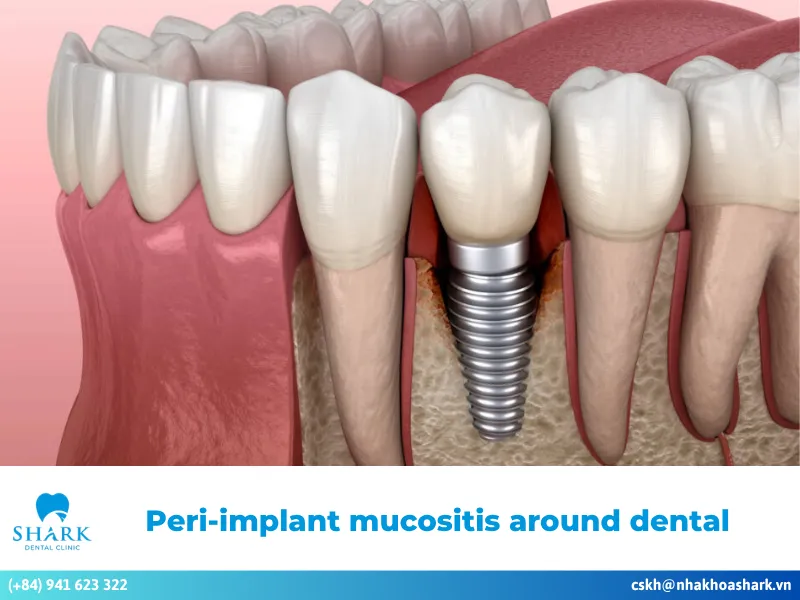
The most common cause of bad breath after getting veneers is a veneer that does not fit tightly and closely against the natural tooth underneath. When this happens, a small gap may form between the veneer and the tooth, allowing plaque and bacteria to accumulate and potentially irritate the surrounding gum tissue, which may contribute to bad breath.
Gum inflammation around veneers
After getting veneers placed, if the oral hygiene routine that follows is not thorough or consistent enough, bacteria can easily build up around the mouth and gumline. Over time, this can lead to signs of gum inflammation or periodontal disease, with bad breath being one of the possible symptoms.
Tooth decay under veneers
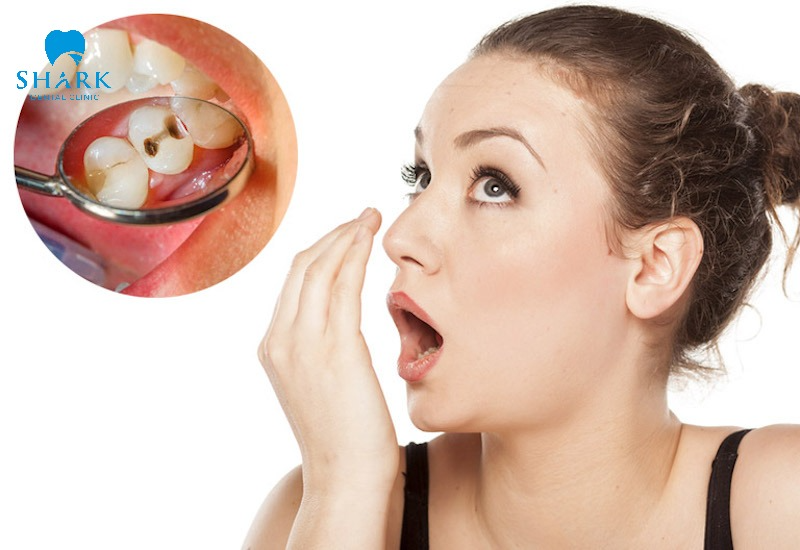
Dental conditions such as tooth decay and periodontal disease can end up affecting the veneer surface as well, especially when teeth rot under veneers, causing sensitivity, pain, an unpleasant taste, or bad breath to watch for. Left untreated, tooth decay will gradually erode the natural tooth underneath the veneer and affect the mouth as a whole, causing symptoms such as pain and irritation, with a fairly significant impact on overall oral health over time.
How to prevent bad breath with veneers?
Bad breath after getting porcelain veneers does not just affect a person’s daily life – it can also cause a fair amount of anxiety and self-consciousness for many people. To help prevent inflammation and bad breath from developing in the first place, it is important to focus closely on oral care and hygiene, as well as to choose a reputable, trustworthy dental clinic to carry out the procedure.
Choosing a reputable dental clinic
When getting veneers, patients should choose a reputable, high-quality dental clinic, where specialist dentists can examine their condition closely and apply the most suitable veneer method for their needs. Reputable dental clinics follow appropriate infection-control protocols, helping to minimize the risk of complications during and after veneer placement.
Fully treating any existing dental conditions
Before getting veneers placed, patients should visit a reputable dental clinic for a thorough, general checkup first. If any conditions such as gum inflammation, periodontal disease, or tooth decay are detected during this checkup, they should be treated fully and completely before the veneer procedure goes ahead. This is an important step that helps prevent inflammation and other effects from developing around the veneers once they have just been placed.

Choosing quality veneer material
It is also important to choose a quality line of porcelain material for the veneers themselves, carefully checking factors such as origin, color, and overall durability before moving forward with treatment. Proper veneer fit, well-finished margins, suitable bonding materials, and effective oral hygiene help reduce plaque accumulation and related complications.
The Shark Dental team has now answered the question “do veneers stink?” in full detail throughout this article. Veneers are a safe treatment method with limited risk of negative effects, provided the procedure is carried out at a reliable, high-quality dental clinic. Shark Dental is widely recognized as a trustworthy address in this field, and has been chosen by a great many customers both within Vietnam and from abroad. Be sure to visit Shark Dental Clinic for a free consultation and examination, and to have all of your dental-related questions answered as quickly as possible.