

Placing a dental crown requires working directly on the natural tooth structure, so many people worry that the procedure may cause pain or discomfort. For this reason, the question do they numb you for a crown is always a concern before starting treatment. If you are also wondering about this issue, let Shark Dental Clinic help you learn the detailed answer in the following article!
Do they numb you for a crown?
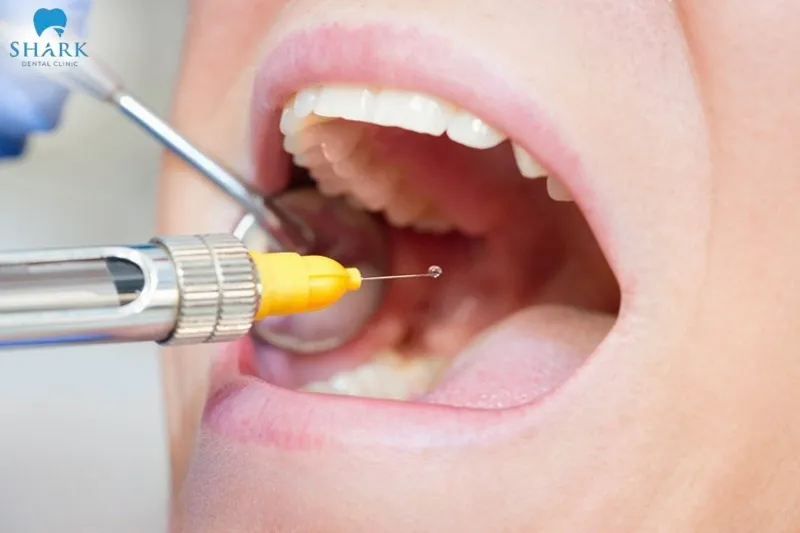
In most cases, your dentist will numb the area before placing a dental crown. This numbing process helps eliminate pain, minimizes sensitivity, and ensures your comfort throughout the procedure.
Before placing the crown, the dentist must remove a precise amount of natural tooth structure to create the appropriate shape for the crown. Since this step involves your natural tooth, it can cause pain and discomfort if anesthesia is not used. Therefore, numbing is almost always a necessary step to keep the tooth preparation process safe and comfortable.
If you are sensitive or tend to feel anxious during dental treatments, you should discuss this with your dentist. They may offer mild sedatives or additional pain control options to help you relax and ensure the procedure goes smoothly.
>>> See more: Can you put a crown on a broken tooth?
Does it hurt to get a crown put on?
Getting a dental crown should not hurt when performed correctly and with proper numbing. Before preparing your tooth, your dentist will apply local anesthesia so you won’t feel any pain after a crown. The preparation process only removes the outer enamel layer and does not affect the inner tooth structure.
After the procedure, some individuals may experience mild sensitivity, but this usually resolves quickly. Following the placement of the crown, it is normal to feel slight sensitivity in the tooth and gums for the first few days. This sensitivity is a typical reaction as your tooth adjusts to the new crown and the gum tissue begins to heal. In most cases, this sensitivity gradually decreases and disappears within 2 to 3 days.
However, if you experience pain lasting more than a week, pain when chewing, or significant sensitivity, you should contact your dentist for an examination and prompt treatment to prevent complications.
Can you get a crown without numbing?
The answer to “Can you get a crown without numbing?” is yes, but only in specific cases. Typically, numbing is an important step to ensure a comfortable tooth preparation process. However, there are a few exceptions where a patient might not need anesthesia when getting a crown:
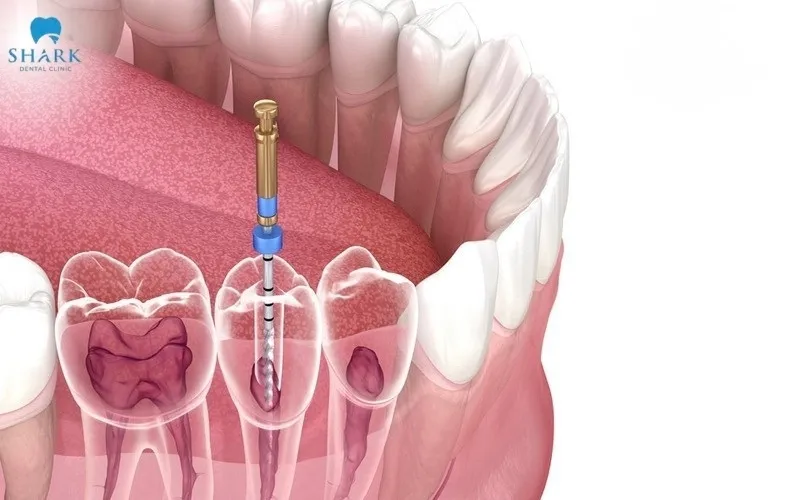
- Teeth that have previously undergone root canal treatment: When a tooth has had a root canal, the internal nerve is no longer present, so preparing the tooth does not cause pain. In this instance, the dentist may not need to numb the area.
- Patients with anesthesia allergies: If you have a history of allergic reactions to anesthetics, your dentist will consider safer alternatives, such as topical anesthetics or nitrous oxide, to help reduce stress and discomfort.
Caring for your dental crown at home
To keep your dental crown strong, beautiful, and functioning well, you should practice good oral hygiene along with healthy daily habits and dietary adjustments. Specifically, you should:
- Brush properly: Brush at least twice daily using a soft-bristled toothbrush and toothpaste suitable for crowns to effectively remove plaque.
- Clean between teeth: Use dental floss, mouthwash, and a water flosser to eliminate food debris, maintain oral cleanliness, and extend the life of your crown.
- Maintain a balanced diet: Opt for soft, easy-to-chew foods, and increase your intake of calcium- and vitamin-rich foods to support strong teeth and gums.
- Limit harmful foods: Avoid very hard or chewy foods that could chip or crack the crown. To maintain brightness, limit dark-colored beverages like tea and coffee, and reduce smoking.

In summary, the question “Do they numb you for a crown?” has a clear answer: In most cases, dentists will numb the tooth to ensure a smooth and painless preparation process. For the most accurate advice, you should visit a reputable dental clinic. When done correctly, a dental crown will be durable, stable for chewing, and provide long-lasting results.
>>> See more: How long do porcelain crowns last?