

Having a bright and white set of teeth is something that many people wish for, but not everyone has the time to visit the dentist on a regular basis in order to have their teeth whitened. Dental bleaching trays have become an option that many people are interested in, thanks to their relatively convenient way of use and the fact that they can be used right at home. So how exactly do dental bleaching trays work? Let us find out together with Shark Dental Clinic in the section below.
What are dental bleaching trays?
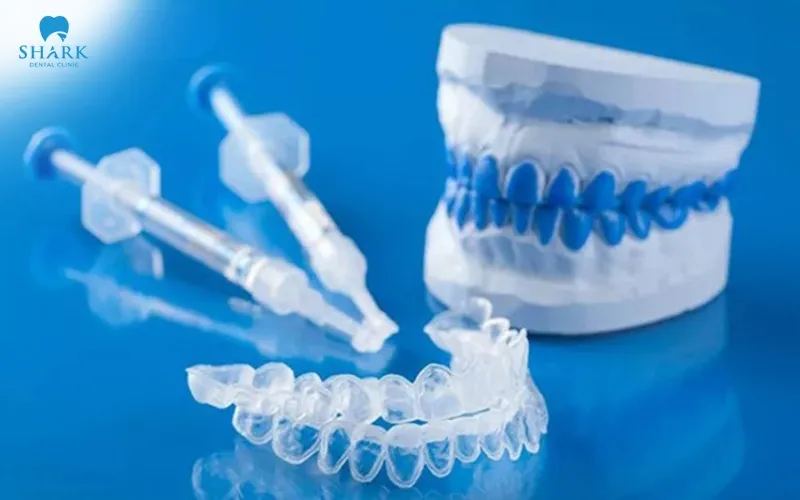
Dental bleaching trays are devices that are designed to hold and distribute whitening gel evenly across the surface of the teeth, which allows the active whitening ingredient to make contact with the teeth in the correct position throughout the whitening process.
Trays can be custom-made for each individual person based on a dental impression or on digital scan data, which creates a close fit with the dental arch and helps to control the amount of gel that is used. Bleaching trays are typically crafted from a suitable material in order to support the whitening process in achieving the aesthetic result that has been planned out by the dentist.
How do dental bleaching trays work?
Dental bleaching trays work by keeping a peroxide-based whitening gel in direct contact with the surface of the teeth for a set period of time. Depending on the particular type of tray being used, the way it is used and the length of wear time can vary from one product to another:
- Snug-fitting tray: This type of tray is made from a flexible material that is able to shape itself to the contours of the teeth, which helps it hug the surface of the teeth closely and helps deliver the whitening gel to both the front surface of the teeth and the spaces between them.
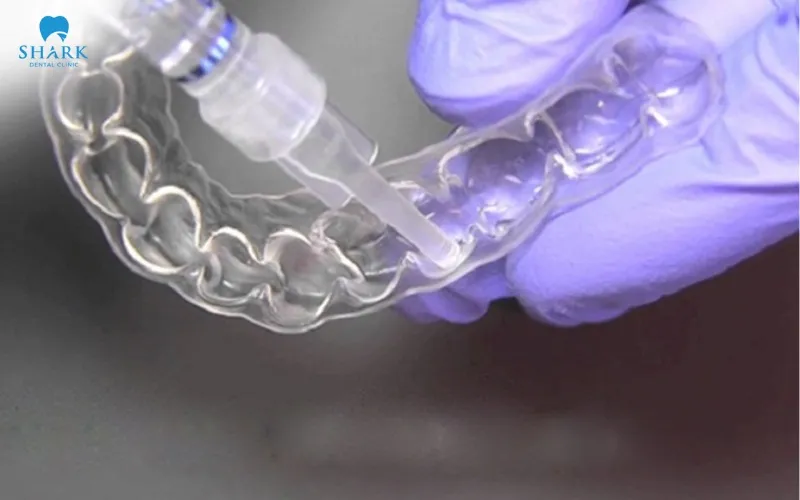
- Whitening gel placed into the tray: Some types of trays come pre-filled with an appropriate amount of peroxide-based whitening gel already inside them. Other types of trays come with a separate syringe containing gel, which the user can apply on their own whenever it is needed.
- Gel is kept in contact with the teeth throughout the period of use: While the tray is being worn, the whitening gel is kept in direct contact with the teeth. The length of time the tray needs to be worn varies depending on the particular product, with some types requiring several continuous hours of wear, while other types are recommended to be worn overnight.
- Daily use as part of an ongoing treatment plan: With disposable tray systems, users typically use two separate trays every single day, consisting of one tray for the upper jaw and one tray for the lower jaw. During the period when the tray is being worn, users may be instructed not to eat or drink anything, depending on the specific instructions that come with the product.
Main types of dental bleaching trays
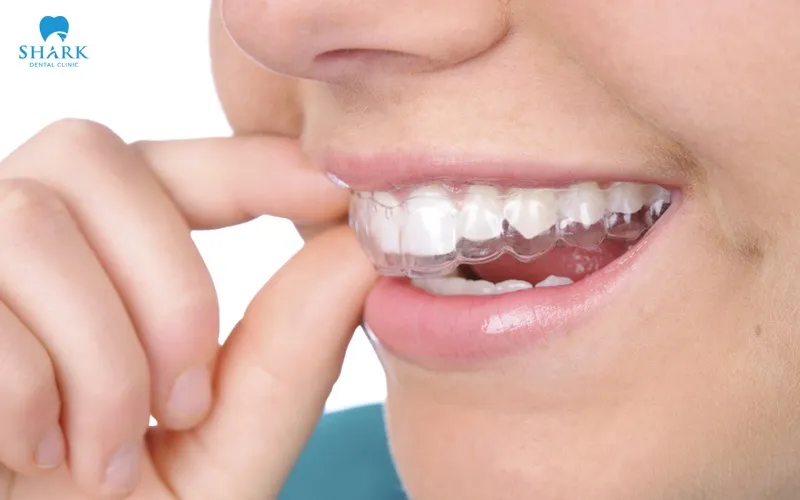
Based on the way they are designed and the way they are used, dental bleaching trays can generally be divided into three common types. Each type has its own distinct characteristics in terms of how the mold is constructed, how closely it fits, and how it is used.
Custom-fitted trays from your dentist
This is a type of tray that is custom-designed by the dentist based specifically on an impression taken of each individual person’s teeth. The tray is created with a very high degree of fit, which helps it hug the teeth closely and helps keep the whitening gel positioned correctly throughout the period of use.
Because this type of tray is custom-designed based on an impression of the teeth, it is able to offer a better overall fit and a more convenient experience when it is being used. Users are required to use the tray together with the whitening gel exactly according to the instructions given by their dentist.
Over-the-counter moldable trays
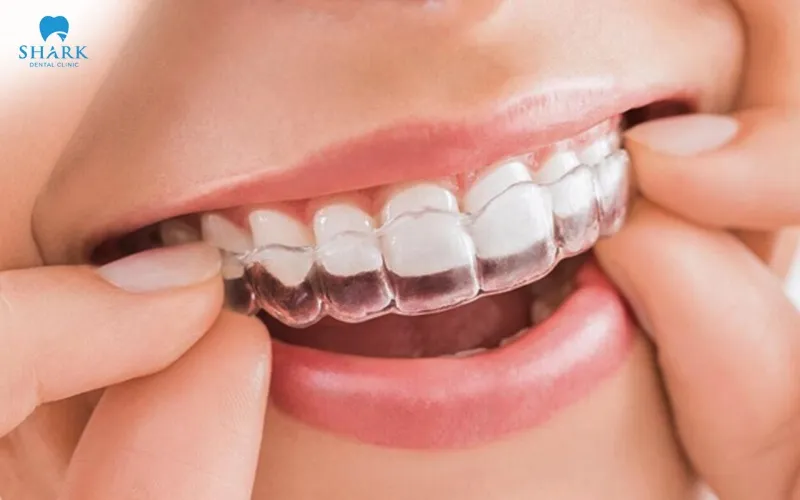
Moldable trays are a type of tray that can be shaped by the user themselves in order to achieve a better fit with their teeth before the tray is used. Once the molding process has been completed, the tray hugs the teeth closely and keeps the whitening gel in contact with the surface of the teeth throughout the period of use.
When compared with a tray that has been custom-designed at the dental clinic, how well a moldable tray ends up fitting depends heavily on the molding process that the user carries out themselves. As a result, the degree to which it hugs the teeth may not turn out to be exactly the same as a tray that has been custom-made based on a dental impression.
Prefilled disposable trays
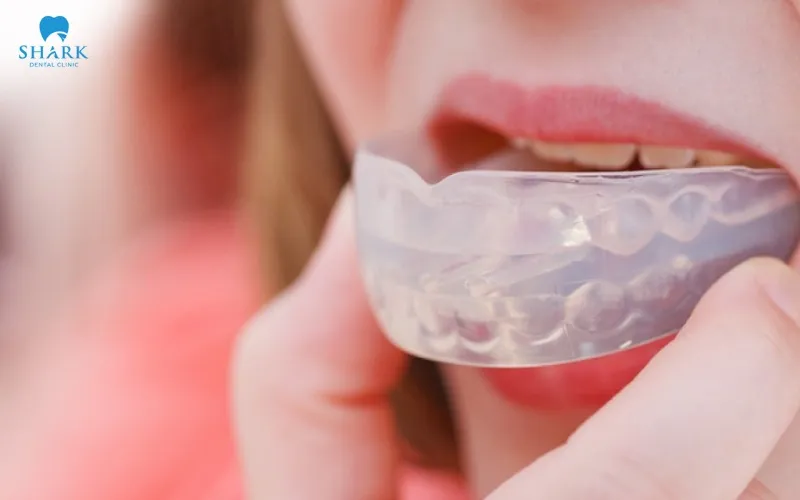
Prefilled disposable trays are prepared in advance so that the user is able to use them right away, directly out of the packaging. The whitening gel has already been placed inside the tray in the correct amount, so there is no need to carry out any additional step of adding gel to the tray before it is used.
This particular type of tray offers a great deal of convenience, since it can be used immediately and is typically designed to be used only a single time. Users simply need to use the tray according to the instructions that are provided together with the product.
Step-by-step guide to using whitening trays safely
In order for the whitening tray to work effectively and to help limit any unwanted discomfort, you should carry out each step correctly, starting from preparing your mouth and teeth, through using the tray itself, all the way to cleaning and storing it properly after use. The overall process can be carried out in the following way:
- Step 1 – Clean your teeth and prepare the tray: Brush your teeth and gently floss in order to remove any plaque and leftover pieces of food. After that, rinse out your mouth and check over the whitening tray, making sure that it is completely clean and dry before you begin using it.
- Step 2 – Apply the whitening gel to the tray: Place a small and adequate amount of gel into each individual tooth compartment located on the tray. You should not place too much gel into the tray, because any excess gel that remains can end up leaking out and causing irritation to the gums.
- Step 3 – Place the tray onto your teeth: Insert the tray carefully into your mouth and position it evenly over your teeth, and then press down gently so that the tray settles into the correct position. If any gel happens to leak out, use a clean cotton swab to wipe away the portion of gel that has come into contact with the gums.
- Step 4 – Wear the tray for the recommended length of time: Keep the tray positioned on your teeth for the exact amount of time that is recommended for the particular product. The length of time required for use can vary from product to product, and it typically ranges from around 30 minutes up to a few hours. You should avoid falling asleep while you are wearing the tray, unless you have been specifically instructed to do so by your dentist.
- Step 5 – Remove the tray and rinse out your mouth: Once the required amount of time has passed, gently remove the tray from your mouth and rinse thoroughly with water in order to clean away any gel that may still remain. You should avoid swallowing any of the whitening gel.
- Step 6 – Clean and store the tray properly: Rinse the tray thoroughly using clean water, and then use a soft toothbrush to gently brush away any remaining gel that is still stuck to the tray. Allow the tray to air dry naturally before storing it inside a clean case.
- Step 7 – Take care of your teeth after the whitening process: For a period of several hours after using the tray, you should limit your intake of foods and drinks that could potentially cause new stains on your teeth. If a mild degree of sensitivity happens to appear, this is generally only a temporary sensation and tends to gradually fade away on its own.
Common side effects and how to prevent them
Whitening trays are considered to be relatively safe when they are used in the correct manner. However, using the tray in a way that does not follow the instructions, using too much gel, or using a tray that does not fit snugly against the teeth can all lead to certain side effects. Below are two conditions that you are likely to experience.
Temporary tooth sensitivity
Tooth sensitivity is one of the most commonly experienced side effects when using dental bleaching trays. This condition happens when the whitening substances act upon the teeth and stimulate the nerve endings inside them, which causes the teeth to become more sensitive for a short period of time.
In order to limit sensitivity, you should use the correct amount of whitening gel and closely follow the recommended length of time for use. If a feeling of sensitivity does appear, stop using the tray temporarily and contact your dentist for advice. Do not change the gel concentration on your own.

Mild gum irritation
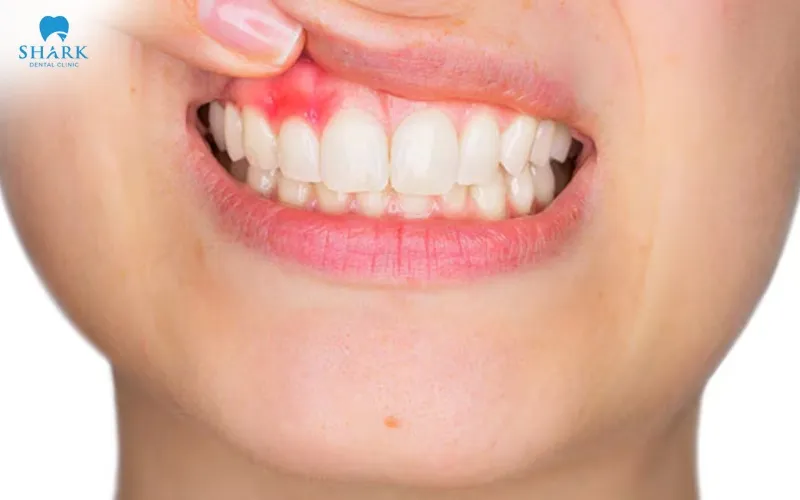
When whitening gel leaks out of the tray and comes into contact with the gums or the soft tissue inside the mouth, it can often cause irritation, a burning feeling, or general discomfort. This particular condition is more likely to occur when the tray does not fit closely against the teeth or when too much gel is being used.
In order to prevent this from happening, you should place just the right amount of gel into the tray and choose a tray that fits properly and closely against your teeth. Whenever gel happens to spill onto the gums, you should wipe away the excess gel immediately in order to limit its contact with the soft tissue.
Popular alternatives to dental bleaching trays
If dental bleaching trays do not turn out to be the right option for you, there are several other methods that you can consider in order to help improve the color of your teeth and maintain a brighter smile. Depending on your particular needs and the current condition of your teeth, some of the popular options include the following:
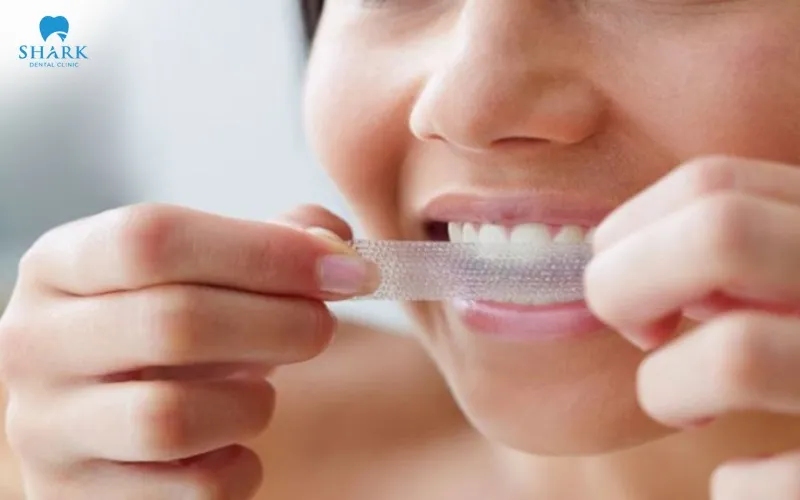
- Whitening strips: Whitening strips are a convenient option that is easy to use and does not require wearing a tray. These products usually contain a peroxide-based whitening active ingredient that is designed to adhere closely to the surface of the teeth throughout the period of use. Some types of whitening strips only need to be worn for a few minutes each day, which makes them a suitable choice for people who want to whiten their teeth while still continuing on with their normal daily activities.
- Whitening toothpaste and mouthwash: This is a suitable solution for helping to clean away surface stains on the teeth and maintain the color of the teeth as part of your everyday oral care routine. You can combine a whitening toothpaste with a whitening mouthwash in order to increase the overall convenience of the process.
- Maintain good oral hygiene: In addition to using whitening products, taking care of your teeth on a regular and consistent basis also plays an important role in maintaining the color of your teeth over time. You should brush your teeth, floss, and rinse your mouth every single day, and you should also attend professional dental cleanings at intervals recommended by your dentist based on your oral condition. Limiting the types of foods and drinks that tend to cause staining, such as coffee, tea, red wine, soft drinks, and tobacco, also helps to limit the degree to which your teeth become discolored over time.
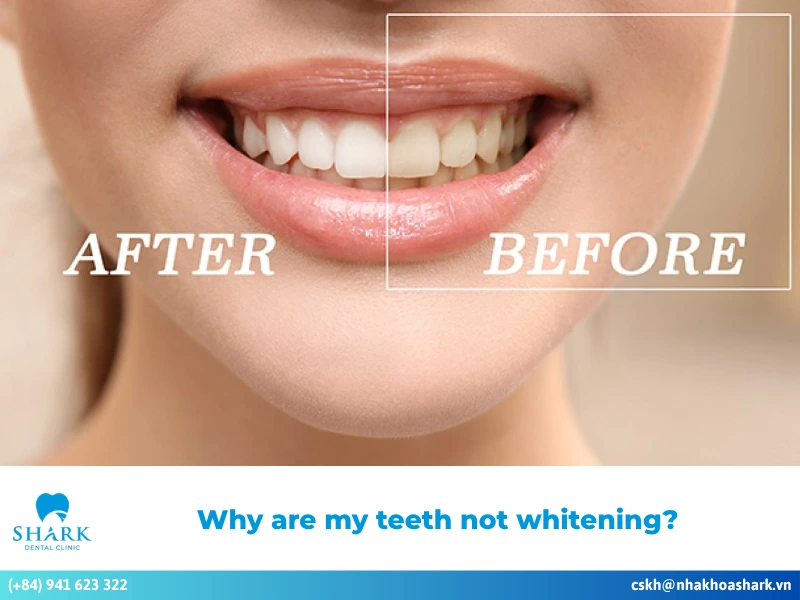
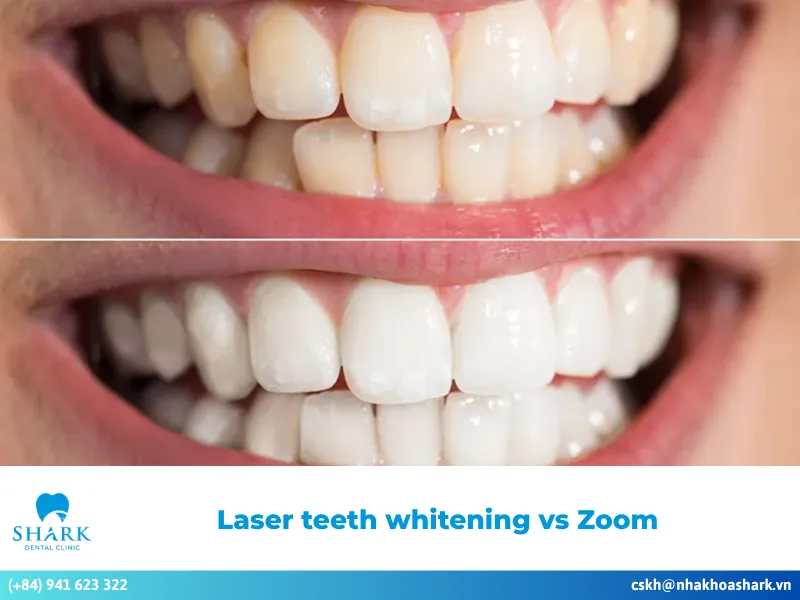
In summary, it can be seen that dental bleaching trays not only help remove yellow stains that have built up on the teeth, but they also help lighten the color of natural teeth when used correctly, although results and side effects vary among individuals. With the information provided above, Shark Dental Clinic hopes that it will help give you a more thorough and general perspective on this particular product line. From there, you will gain additional knowledge that will help you protect and take care of your oral health in a safe manner and achieve the results that you are hoping for.