
Dental bone loss not only reduces the way in which the bone is able to support the teeth; it also has an effect on the appearance of the face. However, depending on how far the bone loss has gone and on what has caused it in the first place, a dental bone loss reversing treatment may help regenerate or augment deficient bone in selected cases and can create favourable conditions for the teeth to be restored. To help you understand this approach more clearly, let Shark Dental Clinic take you through all of the details below.
What is dental bone loss?
Dental bone loss is a situation in which the part of the bone whose function is to support the teeth declines in both volume and density, so that the foundation holding the teeth up becomes weaker and weaker over time. If it is not detected and brought under control at an early stage, this situation can cause the teeth to become loose, can change the bite, and can affect the contours of the face as time goes on. For this reason, going for regular dental examinations and intervening in good time both play an important role in limiting the way bone loss progresses and in protecting your oral health over the long term.
Common causes of dental bone loss
Dental bone loss can have its origins in a number of different factors, and among these, periodontal disease and tooth loss that has been left for a long period of time are the two causes that are most commonly seen.
Periodontal disease and untreated gum infection
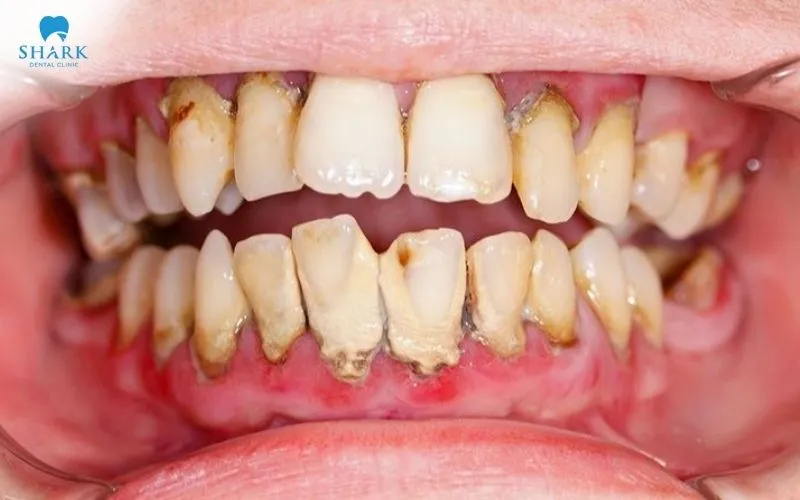
Periodontal disease is one of the causes that is most commonly seen behind the loss of alveolar bone. When plaque and bacteria are allowed to build up over a long period of time, the gums can become inflamed and swollen, and periodontal pockets can begin to form. If the state of infection carries on progressing, the tissues that support the teeth, the periodontal ligament, and the alveolar bone can all gradually be destroyed.
In particular, chronic periodontitis usually progresses quietly but continues over a long period of time, whereas the rapidly progressing forms of periodontitis can destroy the periodontal tissue within a much shorter period of time. Alongside this, poor oral hygiene, smoking, hormonal changes, certain systemic conditions, or genetic factors can also make periodontal disease become more serious, and this in turn pushes the process of bone loss along.
Tooth loss and lack of jawbone stimulation
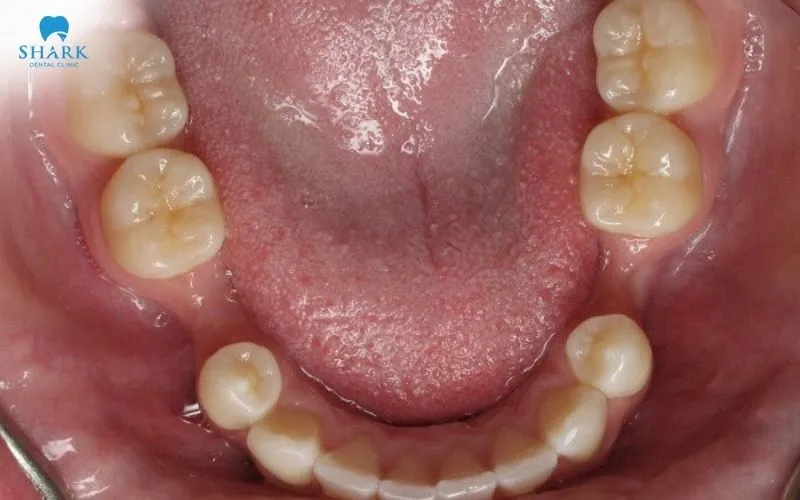
After a tooth has been lost, the part of the jawbone at that particular site no longer receives the force that it needs from the activity of eating and chewing. As time goes by, the bone can gradually be reduced in terms of both volume and density, because it is no longer being stimulated the way that it used to be.
The longer that tooth loss goes on without a restoration being made, the more clearly the risk of bone loss shows itself at the site where the tooth is missing. Bone loss not only changes the structure of the jawbone; it can also affect the stability of the teeth next to the gap and can make it more difficult to place a restoration or an implant later on.
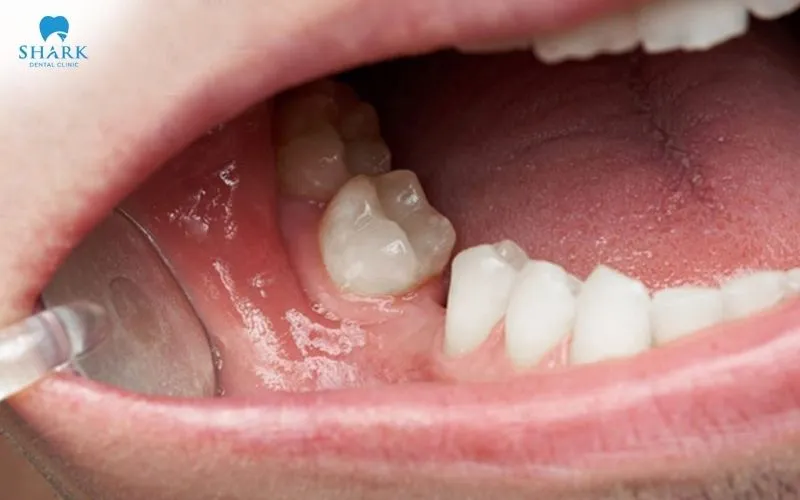
>>> See more: A dental bone loss X-ray
Can dental bone loss be reversed naturally?
A sound, scientifically based diet and lifestyle can help to maintain the health of the jawbone and can limit the way in which the process of bone loss progresses. However, natural measures are mainly supportive in nature, and they are not able to take the place of dental treatment once the jawbone has already lost a considerable amount of bone.
Dietary changes to support bone health
Getting enough of the right nutrients helps to maintain both the structure and the health of the skeletal system. You should add in the food groups that are rich in the nutrients that the bone needs, such as the following:
- Calcium: Found in large amounts in milk and in dairy products, in green leafy vegetables, in almonds, and in certain foods that are fortified with calcium.
- Vitamin D: This can be added in through oily fish, egg yolks, foods that are fortified with vitamin D, and a suitable amount of exposure to sunlight.
- Other nutrients: Magnesium, phosphorus, and vitamin K also make a contribution towards supporting the health of the bone.

Lifestyle modifications and oral hygiene habits
Alongside the diet, maintaining a healthy lifestyle and caring for the teeth and mouth in the correct way help to control the factors that can make the state of bone loss more serious. Limit smoking and the excessive drinking of alcohol and beer, and at the same time brush your teeth, clean between them, and keep up your regular dental check-ups in order to keep gum disease under control. Detecting and treating any periodontal problems at an early stage also makes a contribution to protecting the teeth and the bone structure that supports them.

Advanced dental bone loss reversing treatment options
Once the jawbone has already lost bone, the measures you take at home on their own usually cannot restore the part of the bone that has been lost. Depending on how far the bone loss has gone and on the condition of the teeth and mouth, the dentist can prescribe the regenerative methods that are suitable in order to restore the bone volume and to create a stable foundation for the restoration to sit on.
Dental bone grafting and ridge augmentation
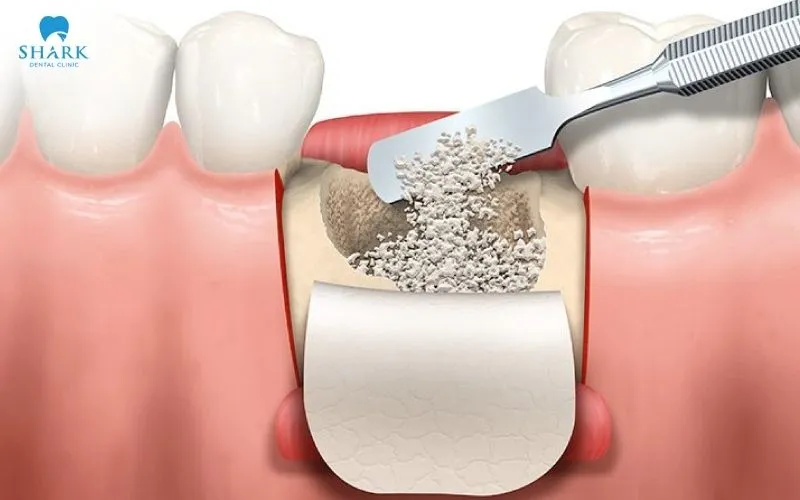
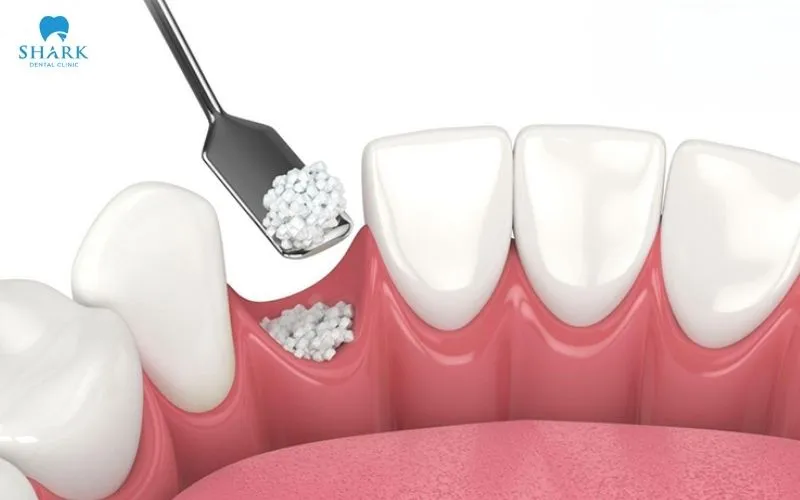
Dental bone grafting is a method of adding bone, or a material that substitutes for bone, into the area where there is a deficiency, which creates favourable conditions for new bone to form and to develop. This technique is usually considered in cases where a localized bone defect requires regeneration or where bone volume is insufficient for planned implant placement, and especially when the person having the treatment wants to have an implant placed.
In cases where the ridge has lost a great deal of bone and has changed considerably in its width or in its shape, the dentist can carry out ridge augmentation in order to rebuild the volume of bone that has been lost. Once the grafted area has recovered and has reached a condition that is suitable, placing the implant becomes a more straightforward matter, and at the same time this helps to improve the way in which the restoration is supported.
Guided tissue regeneration and platelet rich fibrin
Guided tissue regeneration is a technique that uses a specialised type of membrane in order to stop fast-growing tissue from moving into the area that needs to be regenerated. Thanks to this, the bone and the periodontal tissues are given more room as well as more time in which to recover, and this supports the process of regeneration in the area that has been damaged.
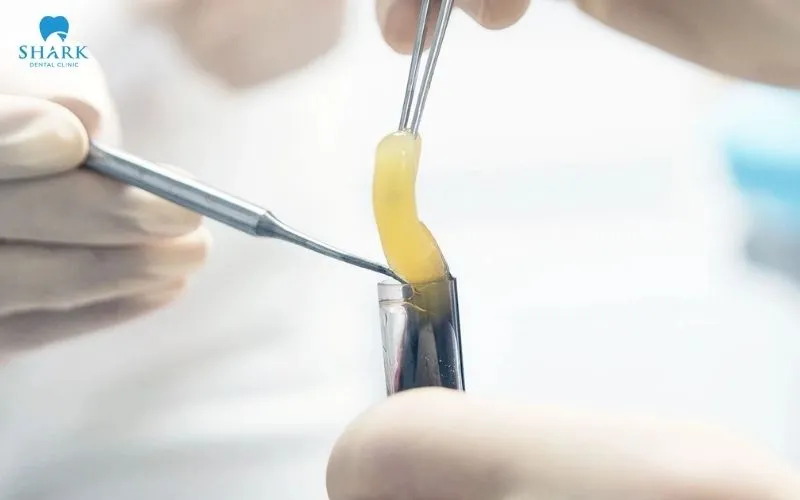
Alongside this, platelet rich fibrin (PRF) is produced from the patient’s own blood, and it contains large amounts of platelets along with growth factors that have the ability to support the process of healing. PRF can be used in combination with bone grafting or with other tissue regeneration techniques in order to encourage the recovery of both the soft tissue and the bone in the area that is being treated. The choice of techniques and the way in which they are combined will depend on the actual condition of each individual person having the treatment.
Dental implants for long term structural support
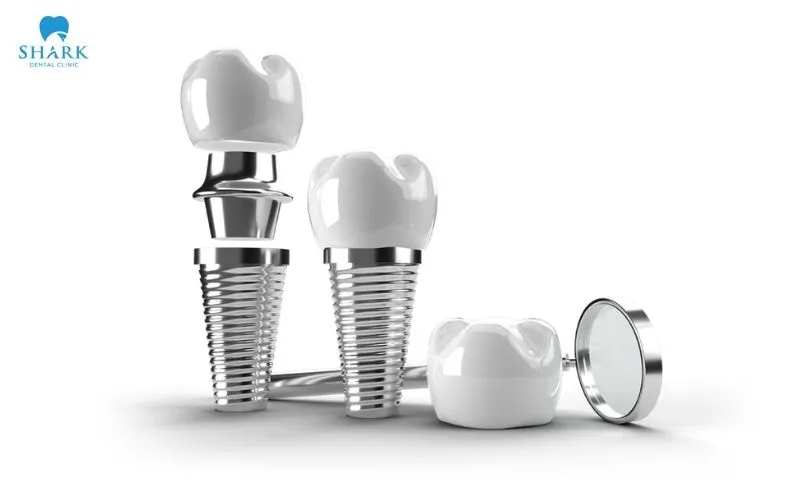
Placing dental implants with bone loss is one of the restorative solutions considered when jawbone deterioration occurs as a result of a lost tooth. The implant post is placed into the jawbone in order to replace the tooth root that has been lost, and it is then connected to a crown so that chewing function and appearance can be restored.
What makes the implant special is that the post integrates with the jawbone and takes up the forces that act on it during eating and chewing, and this transmits functional forces to the surrounding bone, although normal bone remodeling and peri-implant bone loss can still occur. However, if too much bone has already been lost, the person having the treatment may need to have bone grafting or other regenerative techniques carried out before the implant is placed. For this reason, the dentist needs to examine the site and to assess the images of the jawbone in order to build a treatment plan that is suitable, with the aim of achieving a restoration that stays stable over the long term.
Why choose Shark Dental Clinic for bone restoration?
Restoring the jawbone requires the dentist to assess accurately how far the bone loss has gone and to choose the technique that is suitable for each individual case. At Shark Dental Clinic, the treatment process is built around the actual condition of the teeth and mouth, bringing together a team of dentists with real expertise along with a system of modern technology that supports both diagnosis and treatment.
Periodontal assessment and modern regenerative technology
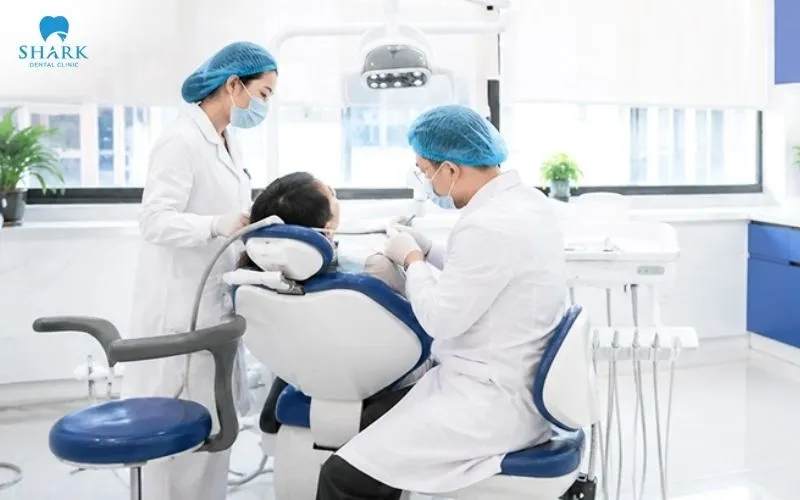
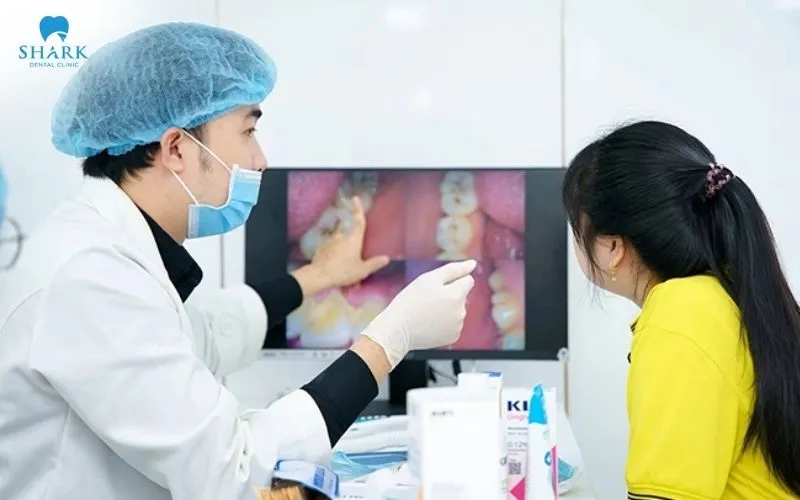
Shark Dental Clinic brings together a team of dentists who have expertise in the field of periodontics and who apply effective dental bone loss reversing treatment methods. Before the treatment begins, the dentist will carry out an examination and will assess the condition of the bone in order to determine what has caused it, how far the bone loss has gone, and which form of intervention would be suitable. Applying modern diagnostic imaging technology helps to support the survey of the bone structure and makes it possible to draw up the treatment plan more accurately.
Comprehensive care plans tailored for lasting results
Every case of dental bone loss differs both in how severe it is and in what has caused it, so it is not possible to apply one and the same treatment protocol to everybody who comes in for treatment. Shark Dental Clinic builds a treatment and care plan that is personalised, and this can combine bone restoration methods, periodontal treatment, and dental restorations according to what is actually needed. After the treatment, customers are given instructions on how to care for the area and are monitored on a regular basis, in order to maintain the health of the gums and the jawbone and to support results that stay stable over the long term.
Frequently asked questions about reversing bone loss
Dental bone loss usually progresses quietly, which is why many people only discover it once the teeth have already become loose or once a restoration is needed. Below are the questions people commonly ask, which will help you understand this situation more clearly.
How do I know if I am losing bone in my teeth?
Dental bone loss does not always show clear signs in its early stages. Some of the signs that you may come across include teeth that have become loose, teeth that have changed position, gums that have receded, or changes in the bite. However, in order to determine accurately how far the bone loss has gone, the dentist needs to carry out an examination and to use the diagnostic imaging methods that are suitable, rather than relying on the outward symptoms alone.
Is dental bone graft surgery painful?
Dental bone grafting is carried out under a local anaesthetic, so the person having the treatment should not feel sharp pain during the procedure, although pressure or movement may still be noticed. Once the anaesthetic has worn off, the treated area may feel sore, swollen, or slightly bruised for the first few days. The degree of discomfort differs depending on the extent of the graft and on each person’s own constitution, and it can also be kept under control with medication taken as instructed by the dentist.
How long does it take to rebuild jawbone density?
The recovery time is not a fixed one, and it depends on the amount of bone that has been lost, on the size of the grafted area, and on each person’s ability to heal. After a bone graft, the initial stage of recovery usually takes around 1 week, but for the graft material to stabilise and for new bone to form, at least around 3 months may be needed; cases that involve a large graft can take 9-12 months. The dentist will assess how the healing process is coming along before deciding on the point at which the next restorative steps should be carried out.
So, dental bone loss reversing treatment includes several treatment options that may be considered after clinical and radiographic assessment, and it helps to restore jawbone that has been lost because of missing teeth in an effective way. This approach not only helps to rebuild the volume of the bone; it may create suitable conditions for subsequent restorative or implant treatment to restore chewing function. We hope that the information above from Shark Dental Clinic will give you a more general overview of this solution, so that you have more to draw on when it comes to caring for and protecting your teeth and mouth as effectively as you possibly can.
>>> See more: Bone loss after tooth extraction