
A glass ionomer cement filling is one of the safe, cosmetic dental restoration methods available today, and it’s typically applied in cases involving tooth decay or teeth with relatively mild imperfections. This filling technique can be carried out quickly, helps restore a natural-looking appearance to the tooth, and helps prevent signs of infection from developing. Take a closer look at the information below to learn more about glass ionomer cement fillings!
What is a glass ionomer cement filling?
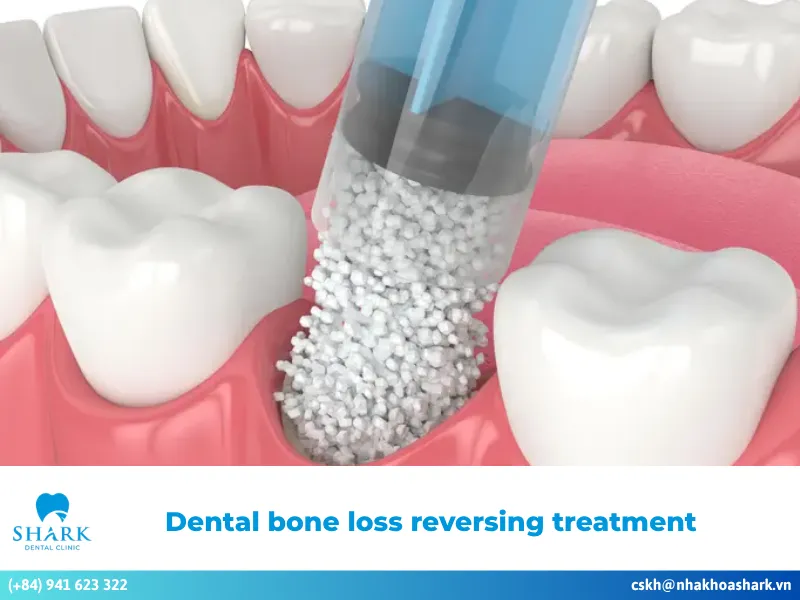
A glass ionomer, or GIC, filling is a technique that uses a glass-based cement material to fill in cavities caused by decay, or to fill in areas of the tooth surface that have become chipped or indented. GIC filling material is made from polyacrylic acid combined with fluoroaluminosilicate glass powder, and the resulting mixture has a white color that closely resembles the natural color of a tooth.
One of the standout features of a GIC filling is its ability to adhere naturally to the tooth without requiring the use of any additional dental adhesive. Because of this, the procedure itself is relatively simple to carry out, and it is generally biocompatible, although appropriate protection may be required in deep cavities close to the dental pulp. On top of that, GIC material also offers a fairly high level of aesthetic appeal, making it an ideal choice for a front tooth filling and for restoring incisors naturally.
Composition of glass ionomer cement
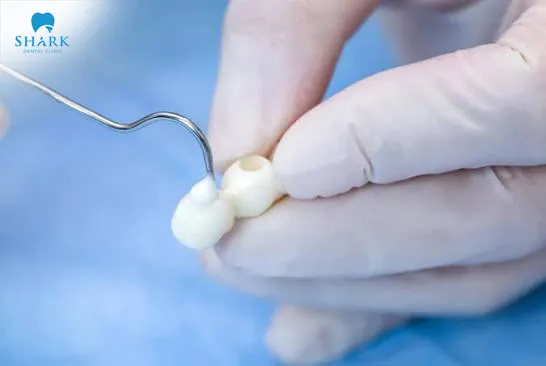
Glass ionomer cement is made up of two main components: a fluoro-aluminosilicate glass powder and a polyacrylic acid solution. When these two components are combined together, they trigger an acid-base reaction that causes the mixture to harden into the finished filling material.
How glass ionomer fillings work?
Unlike more traditional filling materials, glass ionomer works through a chemical reaction, and there are several key ways in which it differs from other materials:
- Chemical adhesion: GIC is able to bond directly to both the dentin and the enamel of the tooth, which in turn helps reduce the amount of drilling and grinding of tooth structure that’s necessary during the procedure.
- Fluoride-based protection: This is generally considered to be the single greatest strength of a GIC filling, since it’s able to continuously release fluoride into the surrounding tooth structure. This ongoing release helps remineralize the enamel and can make the surrounding enamel and dentin less susceptible to acid challenge.
- Thermal stability: GIC has a coefficient of thermal expansion similar to that of natural tooth structure. However, pulp protection may still be necessary in deep cavities.
Key benefits of glass ionomer cement fillings
Glass ionomer cement fillings are widely used in dental practice because they offer a number of distinct advantages, including the following:
Fluoride release for cavity prevention
One of the standout advantages of a glass ionomer filling is its ability to continuously release fluoride, which helps strengthen the enamel and increases the tooth’s resistance to bacteria and acid. As a result, this material does an especially good job of protecting the enamel over time.
Natural chemical adhesion to tooth structure
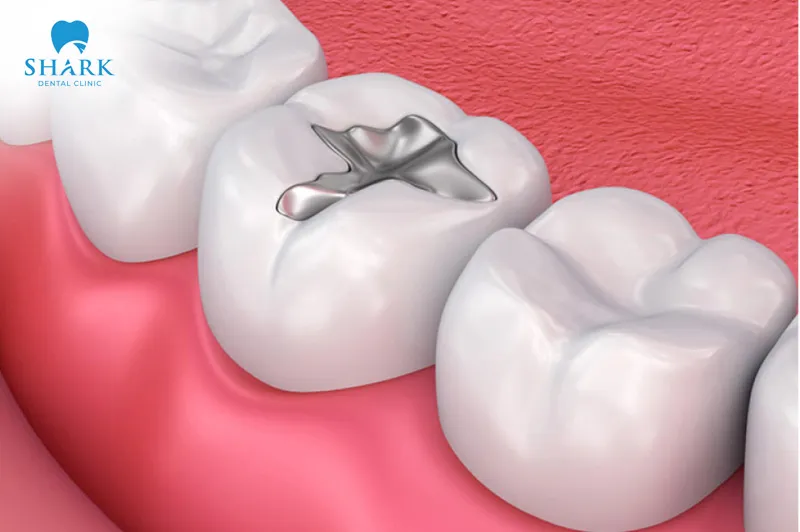
GIC filling material is able to adhere naturally to the tooth without requiring the use of any dental adhesive. This helps the dental filling bond securely to the tooth, which in turn reduces the risk of the filling coming loose or causing further damage down the line.
Biocompatibility and thermal expansion
Thanks to its strong natural adhesion, a GIC filling also offers excellent biocompatibility, meaning it doesn’t irritate the surrounding gum tissue. Once the filling has been placed, it’s able to stabilize fairly quickly and support normal, durable chewing function.
Common clinical indications of glass ionomer fillings
Glass ionomer fillings are recommended for a wide variety of different clinical situations. Below are some of the specific cases where a dentist is likely to recommend this particular material:
Pediatric dentistry and baby teeth
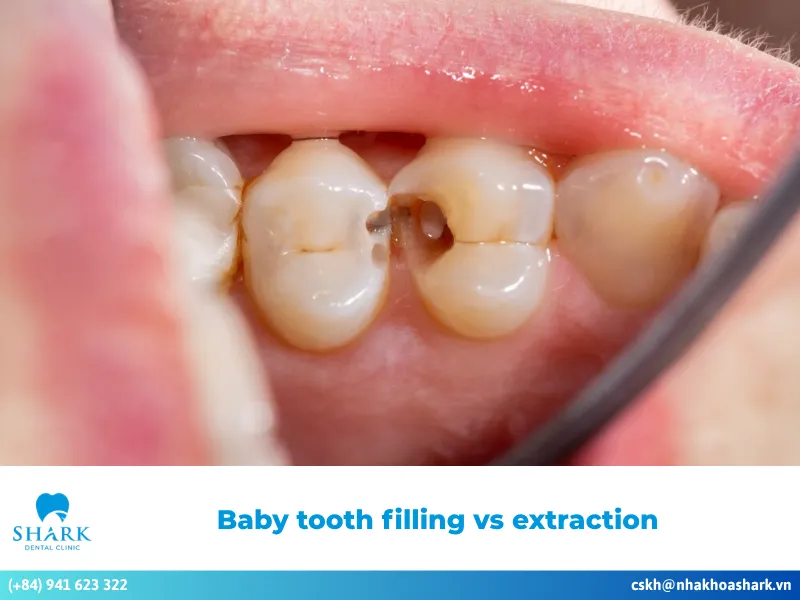
Glass ionomer fillings are commonly used for children, since the procedure itself is quick, minimally invasive, and doesn’t require the use of any dental adhesive. Because of this, children tend to feel comfortable throughout the procedure, without experiencing significant pain or discomfort.
Non-stress-bearing areas and root caries
GIC fillings are generally recommended for areas of relatively mild tooth decay, or for areas of the mouth that don’t bear a particularly heavy chewing load, such as the front teeth and incisors. This material is also frequently used in cases involving decay at the root of the tooth, or non-carious cervical lesions caused by factors such as abrasion, erosion, or occlusal stress.
Temporary restorations and cavity liners
Dentists will sometimes recommend GIC filling material as a temporary restoration to protect a tooth while the patient is waiting for root canal treatment or waiting to receive a permanent porcelain restoration. It can also be applied as a base lining underneath a filling in order to help minimize further impact or damage to the tooth.
Limitations of glass ionomer cement
Alongside its many advantages, glass ionomer filling material does still come with a handful of specific limitations worth keeping in mind.
Lower wear resistance and strength
Compared to other filling materials, GIC isn’t especially well regarded when it comes to overall durability, since it has a relatively low tolerance for chewing forces and doesn’t hold up particularly well against wear over time. As time passes, GIC filling material can gradually wear down or become damaged, especially if it’s subjected to excessive external force.
Aesthetic limitations compared to composite
Even though GIC filling material has a color that’s fairly similar to that of a natural tooth, its color isn’t quite as sharp, vibrant, or striking when compared to composite material. Because of this, GIC fillings tend to be somewhat more limited from an aesthetic standpoint, particularly when used on the front teeth.
Glass ionomer vs composite fillings: Which is better?
Many people who are considering getting a filling often wonder which of the two materials, glass ionomer or composite, is the better option. In reality, each material comes with its own distinct set of characteristics. Depending on a person’s specific needs, budget, expectations, and personal preferences, one filling method may end up being more suitable than the other.
Durability and strength comparison
Composite fillings generally offer greater durability and a higher tolerance for chewing forces compared to glass ionomer fillings. Composite material holds up well under everyday chewing pressure, wears down relatively slowly over time, and can be used on both the front teeth and the back molars.
Glass ionomer fillings, on the other hand, tend to have lower overall hardness, and they’re more prone to chipping or cracking under heavy chewing pressure. This material also tends to wear down more noticeably over time, which is why it’s typically reserved for children’s teeth or for areas near the base of the tooth that don’t experience especially heavy chewing forces.
Aesthetic appeal and color matching
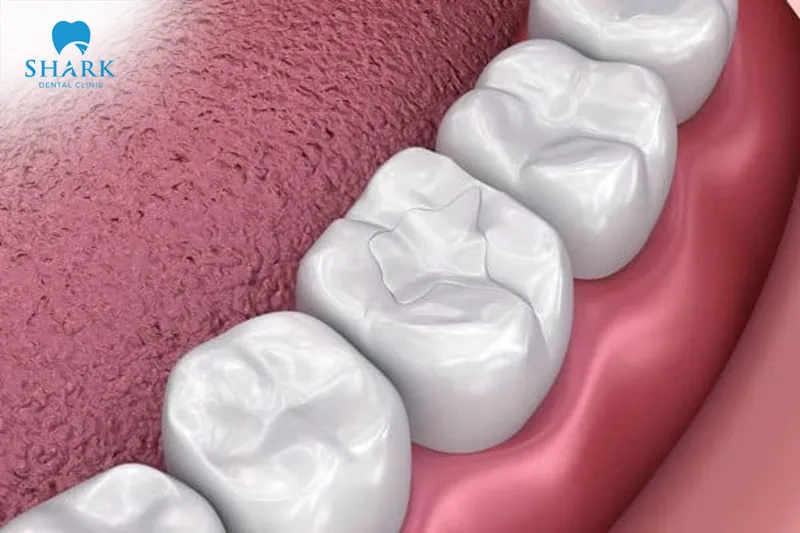
According to dental experts, composite fillings generally offer better aesthetic results compared to glass ionomer fillings. Composite material has a refined, natural-looking color that holds up well over time, giving the tooth a bright, natural appearance. It can also be polished relatively easily to achieve a smooth, high-gloss finish, which makes it especially well suited for use on the front teeth and other highly visible areas of the mouth.
Glass ionomer filling material, by comparison, tends to have a higher degree of opacity and lacks the same natural shine, meaning it doesn’t achieve quite the same level of refinement or sharpness in appearance. Because of this, it’s generally reserved for use on molars that are less visible, or for baby teeth, and it isn’t especially well regarded from a purely cosmetic standpoint.
Cost and application procedure
Glass ionomer and composite fillings differ significantly when it comes to both cost and the overall application process. In general, GIC tends to be the more affordable option, and the application process itself is relatively simple thanks to its self-hardening chemical mechanism, although the resulting color tends to look somewhat less natural.
Composite fillings, on the other hand, tend to come with a higher price tag, and the application process typically takes a bit more time to complete. That said, this method offers a higher level of aesthetic quality, even though the overall procedure is more complex and time-consuming.
Frequently asked questions about glass ionomer fillings
Glass ionomer fillings are a restorative dental technique known for their safety and their ability to help protect teeth from bacteria while limiting the risk of infection. Throughout the process, many people find themselves with a number of common questions about this particular material.
Are GIC fillings durable?
According to dentists, glass ionomer fillings offer a reasonably good level of durability. With proper care and good oral hygiene, and when the procedure is carried out at a reputable dental clinic, a GIC filling can typically last for several years.
Are GIC fillings painful?
One of the most common concerns people have when considering a filling is the fear of pain. In reality, discomfort depends mainly on the depth of the cavity, the condition of the dental pulp, and whether local anesthesia is required; it is not determined by the use of a dental adhesive, and the procedure itself can be completed extremely quickly with minimal impact on the tooth. Because the entire process tends to be so simple and gentle, GIC fillings are frequently recommended for children, helping to ease any anxiety they might otherwise feel during a dental visit.
A glass ionomer cement filling is a safe, quick, and painless dental solution for effectively restoring damaged teeth. At Shark Dental Clinic, we provide trusted, high-quality GIC filling services supported by advanced technology and transparent warranty policies. If you have questions or need personalized guidance on your restorative treatment, contact our hotline today for fast, expert advice to help you smile with confidence!