

Teeth that are decayed, cracked, or otherwise damaged in some way do not only affect a person’s ability to chew properly, but also take away from the natural appearance of a smile. In cases where tooth restoration is needed but where durability and aesthetics still need to be ensured, a porcelain tooth filling is an option that is well worth considering. In order to help you gain a clearer and more complete understanding of this particular technique, let us join Shark Dental Clinic in exploring all of the details in the article below.
What is a porcelain tooth filling?
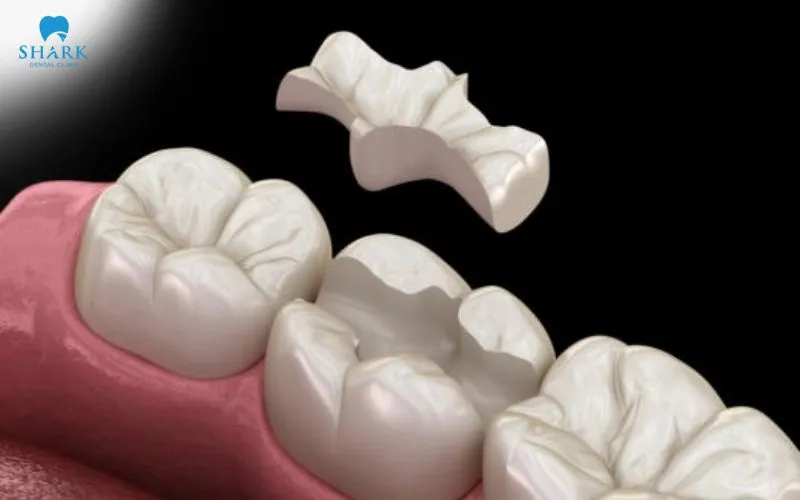
A ceramic inlay or onlay is an indirect restoration custom-fabricated to replace the damaged portion of a tooth that has been individually custom-fabricated according to the precise shape and size of the damaged area of that particular tooth. Unlike composite tooth filling material, which is shaped and then hardened directly on the tooth itself, a porcelain filling piece is instead fabricated separately outside of the mouth and is then permanently bonded into the area that needs to be restored, using a specialized dental bonding material.
Understanding porcelainlays in and onlays
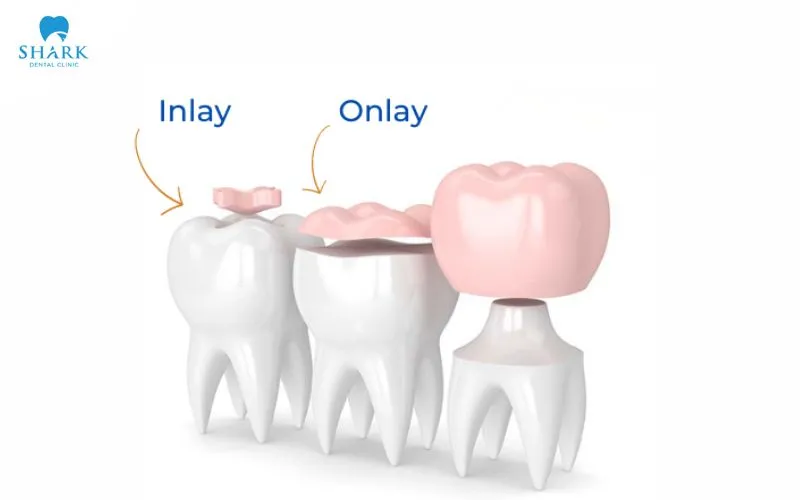
Porcelain inlay and onlay techniques are both considered to be forms of indirect restoration, meaning that they are custom-fabricated separately outside of the mouth before being permanently bonded onto the tooth afterward. The main difference between the two techniques lies in the extent of the tooth structure being restored and the degree to which the cusps of the tooth are covered.
- Inlay technique: The filling piece is fabricated to fit precisely with the damaged tooth structure, and typically sits within the boundaries of the cusps without covering over them. This particular technique is generally considered as an option when a tooth has decay or damage located on the chewing surface, while the cusps of the tooth themselves still remain relatively intact.
- Porcelain onlay technique: The filling piece covers a larger area than an inlay and is able to restore one or more surfaces of the tooth while covering one or more of the damaged cusps. An onlay is typically chosen as the preferred option when the damage has spread further than an inlay could cover, but the tooth has not yet reached the point at which a full dental crown becomes necessary.
How porcelain fillings differ from traditional fillings?
Traditional dental fillings, which typically make use of materials such as composite resin, are generally placed directly into the area of the tooth that needs to be restored, after which the dentist shapes the material by hand and uses a curing light in order to harden it directly on the tooth. This particular method has the advantage of being carried out relatively quickly, and it is able to restore many different types of tooth damage.
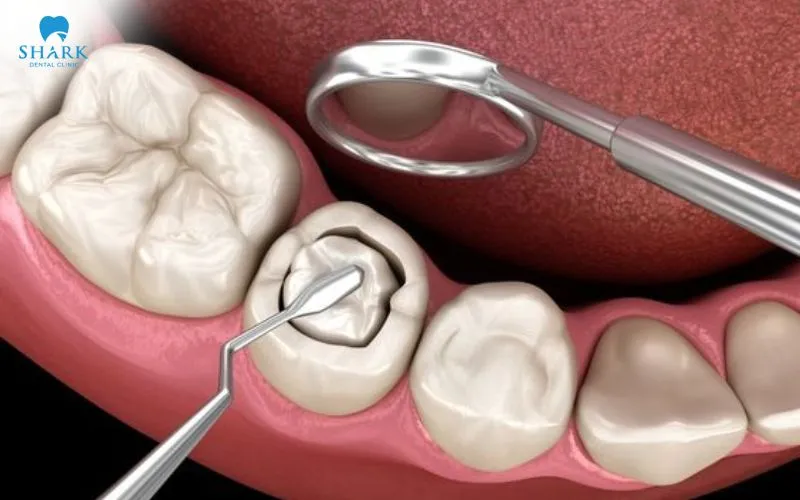
A porcelain tooth filling, on the other hand, is considered to be an indirect restoration method. After the decayed or damaged tooth structure has been removed, the dentist takes an impression or performs a digital scan in order to create a model for the restoration. The filling piece is then fabricated according to the precise shape of the tooth before being tried in and permanently bonded into the area that needs to be restored.
In terms of aesthetics, a porcelain filling piece has a color and optical characteristics that closely resemble natural teeth, while also having good load-bearing strength. However, porcelain fillings typically involve a more complex procedure and a higher cost than traditional tooth fillings.
Key benefits of porcelain tooth fillings
A porcelain tooth filling not only helps restore the damaged part of the tooth, but is also highly regarded for its aesthetics, durability, and compatibility with the tooth structure.
Exceptional aesthetics and stain resistance
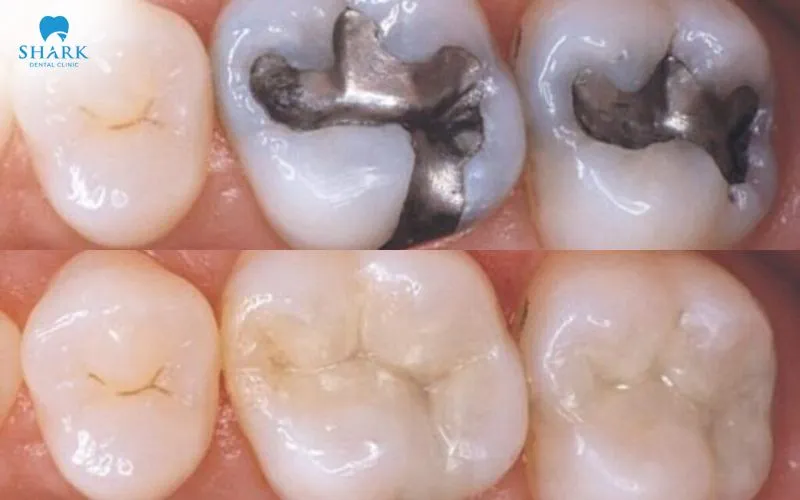
One of the most notable benefits of choosing a porcelain tooth filling is its natural-looking color and its high level of aesthetic quality overall. The filling piece is fabricated with a shape, size, and color that suit the natural tooth, which helps the restored area blend in harmoniously with the neighboring teeth. As a result, this particular method is especially well suited to tooth positions that are easily visible when smiling or communicating with other people.
In addition to this, the surface of the porcelain material is relatively stable in terms of color over time, and it also has good resistance to staining from various sources. Compared with certain filling materials that can change color over time due to regular contact with coffee, tea, or other colored foods, a porcelain filling piece tends to maintain a more stable color if it is properly cared for.
Superior durability and strength
Dental porcelain has good hardness and good load-bearing strength, both of which allow a porcelain filling to meet everyday chewing needs, particularly when it is being used to restore teeth that are subject to significant biting forces. Because the filling piece is fabricated outside of the mouth according to the precise shape of the damaged area, it achieves a very close fit when bonded using the correct technique, which helps restore both the shape and the function of the tooth.
In addition, porcelain material has good stability within the environment of the oral cavity, and is not easily deformed by temperature changes that occur during eating and drinking. However, the actual durability of the filling piece still depends on the type of porcelain used, the design of the restoration, the bonding technique, and each individual person’s own oral care habits.

Biocompatibility and tooth preservation
Porcelain fillings are generally highly regarded for their biocompatibility with the surrounding environment of the oral cavity, and metal-free porcelain restoration systems do not contain any metal components at all. This particular characteristic helps limit issues related to allergic reactions to certain metal components, especially in people who happen to be sensitive to them. However, the specific degree of biological compatibility that is achieved still depends on the particular type of material being used, as well as on each individual person’s own unique physiology.
Another notable benefit of a porcelain tooth filling is its ability to preserve the natural tooth structure. Unlike a dental crown restoration, which needs to cover the entire tooth and typically requires more of the tooth structure to be ground down, this particular technique only restores the damaged part of the tooth within the necessary area. As a result of this, the remaining healthy tooth structure can be preserved to the greatest extent possible, in cases that are considered suitable for this type of indirect restoration.
Are there any downsides to porcelain fillings?
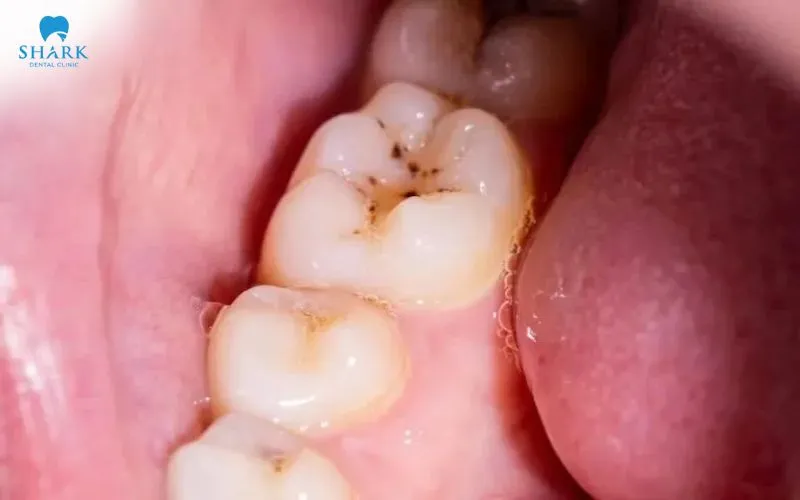
Even though a porcelain tooth filling has a great many outstanding benefits, it still does have certain limitations that are worth being aware of. This method is not the optimal choice for every single case, and below are some of the downsides that you should take into consideration:
- Relatively high cost: Because this technique is custom-fabricated according to the shape of each individual tooth, the procedure involved is more complex. As a result, the cost of a porcelain filling is typically higher compared with traditional tooth filling methods.
- Longer treatment time: A porcelain filling piece needs to be taken as an impression or digitally scanned, designed, and fabricated before it can be permanently bonded onto the tooth. As a result, this method may require more time or a greater number of appointments.
- Not suitable for very small areas of tooth damage: For small cavities or areas of the tooth that only have mild wear or minor damage, using a porcelain filling may not be necessary. In these particular cases, a composite filling is typically a simpler and more suitable option.
- Not an ideal choice for baby teeth: Porcelain fillings are generally not prioritized for baby teeth, since these are teeth that will be replaced during a child’s development. Depending on the extent of the decay, the dentist may consider a composite filling or other more suitable restorative materials instead.
- Limitations in certain cases of chipped teeth: Porcelain fillings are mainly used to restore areas of the tooth that have decay or damage on the chewing surface, along with areas of tooth structure that are suitable for the design of the filling piece. For teeth that are chipped in a position or to a degree that is not suitable, the dentist may consider other methods depending on the particular case.
- Short-term restoration timeline: Because a porcelain filling requires a fabrication step for the filling piece, this method is typically not as convenient as composite if you need to complete the restoration within a single visit.
Porcelain fillings vs. composite and gold
Porcelain fillings, composite fillings, and gold fillings are all commonly used to restore teeth that have become decayed or damaged, but each of these materials has its own distinct set of characteristics. Comparing these three options will help you gain a much clearer understanding of the particular benefits of each type, so that you are able to choose the method that is best suited to the current condition of your teeth.
Porcelain vs. composite resin fillings
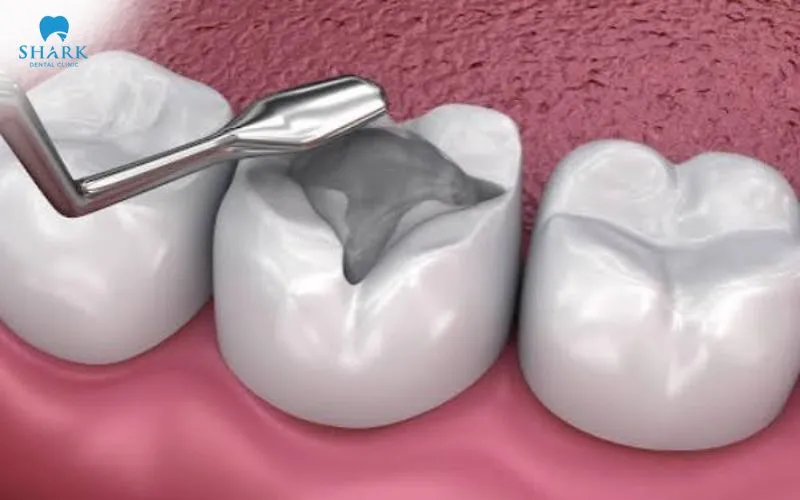
A composite filling is placed directly onto the tooth itself, with the material being applied into the damaged area in a series of successive layers and then hardened using a specialized curing light. This method can typically be completed in a single appointment and is suitable for small to medium-sized cavities, particularly in positions that are easily visible. The lifespan of a composite filling is typically around 5 to 10 years if it is well cared for.
A porcelain filling, on the other hand, is custom-fabricated according to the shape of the tooth before being permanently bonded into place. Porcelain has a higher level of durability and typically has a good ability to maintain its color over time, with clinical longevity that varies depending on the material, tooth condition, bite, bonding quality, and oral care, depending on the material, the position of the tooth, and the conditions of use. However, this method typically involves a more complex procedure and a higher cost compared with composite.
Porcelain vs. gold fillings
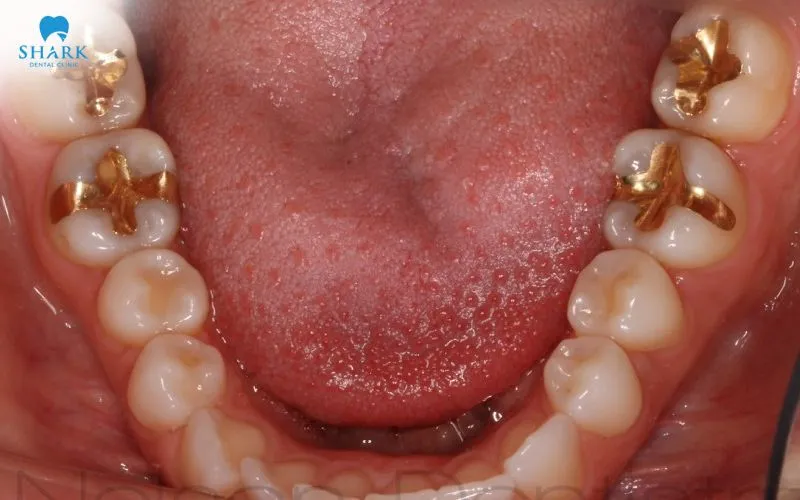
Porcelain tooth fillings and gold fillings are both options that offer a high degree of durability, and both are typically custom-fabricated at a dental laboratory, a process which may require approximately two separate appointments. Gold fillings are highly regarded for their durability, with a lifespan that is typically around 15 to 30 years or even longer if they are properly cared for. This particular material has good resistance to wear and is especially well suited to molar teeth that must withstand significant chewing forces. However, the metallic color is easily noticeable, and the cost is typically high due to the use of precious metal, so it may not be the preferred option for people who place a great deal of importance on aesthetics.
A porcelain filling, on the other hand, has a color that closely resembles natural teeth, which helps the filling piece blend harmoniously with the surrounding teeth and results in a more natural overall appearance. Porcelain also has good overall durability, is able to withstand normal everyday chewing forces reasonably well, and has good resistance to staining from food and drink. However, in terms of long-term durability, porcelain generally does not outperform gold, and it may be somewhat more prone to damage under certain unfavorable load-bearing conditions.
When is a porcelain filling recommended?
A porcelain tooth filling is generally considered as an option when a tooth needs to have its damaged structure restored, while it still has enough remaining healthy tooth structure to make preservation worthwhile. Compared with other filling materials, porcelain may be more suitable in certain particular cases, such as:
- Teeth with large cavities or significant damage: For areas where a relatively large amount of tooth structure has been lost, a porcelain filling can help restore both the shape and the chewing function of the tooth. The durability of porcelain material is also an advantage when it is used for larger-sized restorations.
- People who have a habit of grinding their teeth: The force applied to the teeth in people who grind their teeth is typically greater than normal. Because bruxism can increase the forces placed on the restoration, the dentist should assess the bite, select the material carefully, and consider a protective occlusal guard when indicated. However, the dentist still needs to assess the condition of the teeth and the degree of grinding before recommending this option.
- Cases in which an indirect restoration is clinically indicated and color stability is an important consideration: Ceramic may be considered when an indirect restoration is clinically indicated and the patient prioritizes aesthetics and color stability; drinking tea or coffee alone is not an indication for treatment.

The porcelain tooth filling procedure
A porcelain tooth filling is an indirect restoration method, meaning the filling piece is not shaped directly on the tooth, but is instead designed and custom-fabricated separately according to the shape of the damaged area. As a result, the procedure typically requires approximately 2 appointments, covering everything from preparing the tooth and taking an impression to permanently bonding the filling piece.
Step 1: Tooth preparation and digital impressions
During the very first appointment, the dentist will carefully examine the tooth and assess the extent of the damage in order to determine whether or not it is suitable for a porcelain restoration. The decayed or damaged tooth structure will be cleaned away, and the area to be restored will be shaped in order to ensure that the filling piece will be able to fit closely with the tooth.
After that, the dentist takes a dental impression or performs a digital scan in order to accurately record the shape and size of the area that needs to be restored. This data is then used as the basis for designing the porcelain filling piece. While waiting for the final restoration to be completed, the dentist may place a temporary filling in order to protect the area of the tooth that has already been treated.

Step 2: Custom fabrication in the dental lab
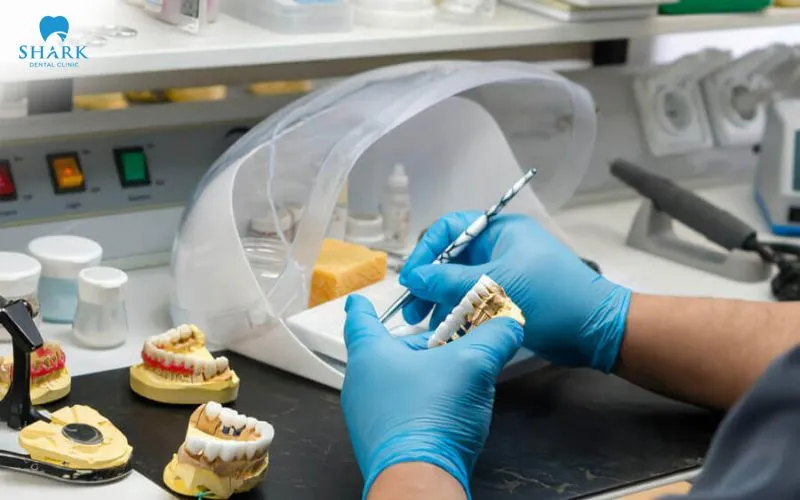
Based on the dental impression or on the digital scan data that has been collected, a dental technician will then design and fabricate the porcelain filling piece according to the specific shape of each individual person’s tooth. The filling piece is created with a size, shape, and color that are all suitable, in order to ensure that it will be able to restore chewing function as well as aesthetics once it is placed onto the tooth.
The length of time required for the fabrication process can vary considerably, depending on the material being used, the technology available, and the particular procedure followed by each individual dental clinic. Once the fabrication process is complete, the filling piece is sent back to the dental office so that the dentist can inspect it before proceeding with the bonding process.
Step 3: Bonding and final adjustments
During the next scheduled appointment, the dentist will remove the temporary filling and will re-examine the area of the tooth that still needs to be restored. The porcelain filling piece is tried directly on the tooth in order to assess its fit, shape, color, and compatibility with the bite.
If the fit is satisfactory, the dentist uses a specialized dental bonding material in order to permanently secure the filling piece into the prepared area. Finally, the restoration is fine-tuned and the bite is re-checked in order to ensure a natural chewing sensation and the overall stability of the filling piece.
How much does a porcelain tooth filling cost?
The cost of a porcelain tooth filling is typically higher when compared with other tooth filling methods, since the filling piece has to be individually designed and separately fabricated for each particular tooth. The cost of a ceramic inlay or onlay varies depending on the material, restoration design, tooth condition, and pricing policy of the dental clinic, depending on factors such as the size of the filling piece, the position of the tooth involved, and the overall extent of the restoration that is needed. For cases involving significant damage that require the use of a porcelain filling, the cost may be comparable to that of a porcelain crown restoration. If a full-coverage crown is required instead, its cost should be quoted separately after examination.
However, this price range also depends on a number of other different factors, such as the condition of the mouth and teeth, the particular dental facility, the medical team, or the equipment that is used during the procedure. Because of this, the cost of the procedure will vary between different dental facilities, so in order to find out the exact price, you should visit the dental clinic directly to be examined and advised on the most suitable solution, which will then give you the most accurate figure.
How long do porcelain fillings last and how to care for them?
A porcelain filling piece is highly regarded for its overall durability, and it can be maintained successfully over a long period of time if it is fabricated correctly, permanently bonded using the proper technique, and properly cared for afterward. A ceramic inlay or onlay can remain functional for many years, but no fixed lifespan can be guaranteed, while a composite filling typically lasts around 5 to 10 years. However, the actual length of time it remains in use can vary depending on the position of the tooth, the amount of chewing force it is subjected to, the condition of the mouth and teeth, and each individual person’s own care habits.
In order to extend the lifespan of a porcelain filling, you should pay attention to the following:
- Practice proper oral hygiene: Brush your teeth at least 2 times a day using a soft-bristled toothbrush and fluoride toothpaste. Combine this with the use of dental floss or a water flosser in order to clean away food and plaque from between the teeth, particularly in the area surrounding the filling piece.
- Limit excessive force: You should not use your teeth to bite down on things, open bottle caps, or chew directly on objects that are too hard, since excessive force can damage the filling piece or the surrounding tooth structure.
- Maintain a suitable diet: Limit foods that are too hard, chewy, or highly acidic if you consume them on a regular basis. After eating, you should rinse your mouth or clean your teeth in order to limit the buildup of plaque around the restored area.
- Visit the dentist for regular checkups: Regular dental checkups allow the dentist to carefully assess the fit and the overall condition of the filling piece, while also helping to detect any early signs of recurring decay or damage to the surrounding tooth structure.

In summary, a porcelain tooth filling restores tooth function and natural aesthetics, boosting your daily confidence. Shark Dental Clinic hopes this guide helps you carefully consider and select the most suitable treatment for your personal oral health needs.