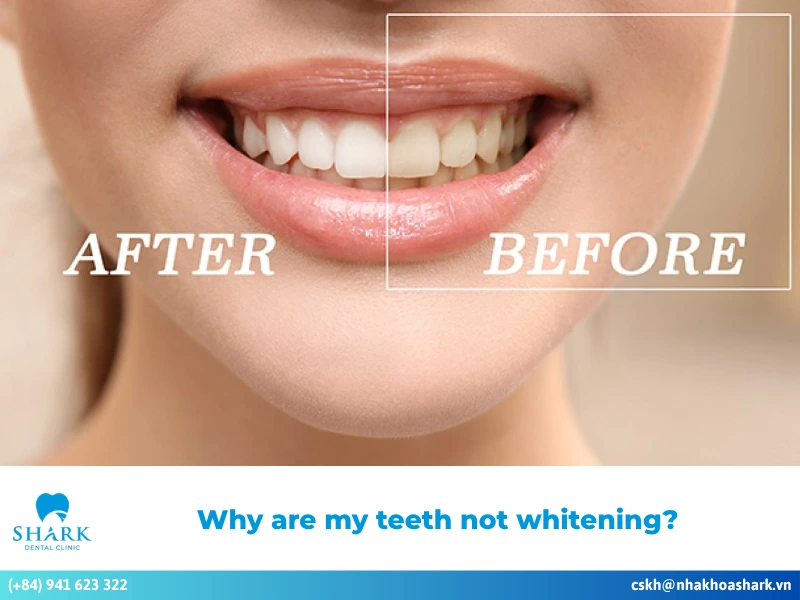


Loose or slightly uncomfortable teeth are relatively common issues during orthodontic treatment. So, do braces make your teeth loose, what causes this condition, and how can it be managed? If you are experiencing the same concern, explore the detailed information in the article below!
Do braces make your teeth loose?
During orthodontic treatment, it’s common for teeth to feel loose or less firm. This sensation is generally not dangerous. However, if your teeth become excessively loose and cause significant pain or discomfort, you should contact your dentist immediately for examination and prompt management.
- Tooth movement: Orthodontic treatment involves the application of controlled force through dental appliances to guide teeth into their desired positions. This process can lead to partial resorption of the alveolar bone, creating space for the teeth to move, which may result in slight looseness.
- Incorrect orthodontic techniques: If orthodontic techniques are improperly executed or if excessive force is applied, it may hinder the alveolar bone’s ability to adapt, potentially causing gum recession, exposing tooth roots, and leading to tooth mobility.
- Oral diseases: Tooth looseness during braces can also stem from dental conditions such as tooth decay, periodontitis, or gingivitis. These conditions can lead to gum inflammation, gum recession, and increased tooth mobility.
- Poor oral care habits: After getting braces, insufficient oral care or overly aggressive brushing can cause teeth to feel loose and may even impact the effectiveness of the orthodontic treatment.
- Weak dental foundation: In patients with weak teeth or insufficient supporting structures, teeth may become loose during the movement that occurs throughout orthodontic treatment.
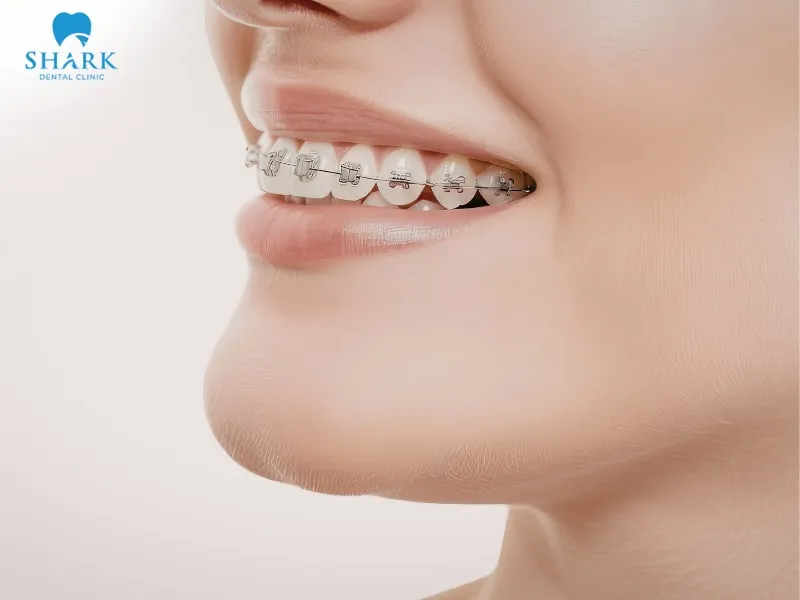
Why does a sensation of looseness indicate that braces are working?
If you experience slight looseness in your teeth while wearing orthodontic appliances, there is no need to worry excessively. This feeling may indicate that your teeth are shifting, connective tissues are adapting, and the jawbone is undergoing minor resorption to create room for your teeth to change positions.
Mild tooth looseness during braces is a positive sign that the orthodontic process is functioning as intended. Over time, your teeth should gradually align according to the treatment plan, becoming straighter and more aesthetically pleasing.
>>> See more: How long do braces take to close a gap?
The role of the periodontal ligament in tooth mobility
The periodontal ligament consists of small connective fibers that link the alveolar bone to the tooth root. This system absorbs the forces generated by orthodontic appliances, facilitating controlled tooth movement. It also supports bone remodeling while protecting the tooth roots from damage during treatment.
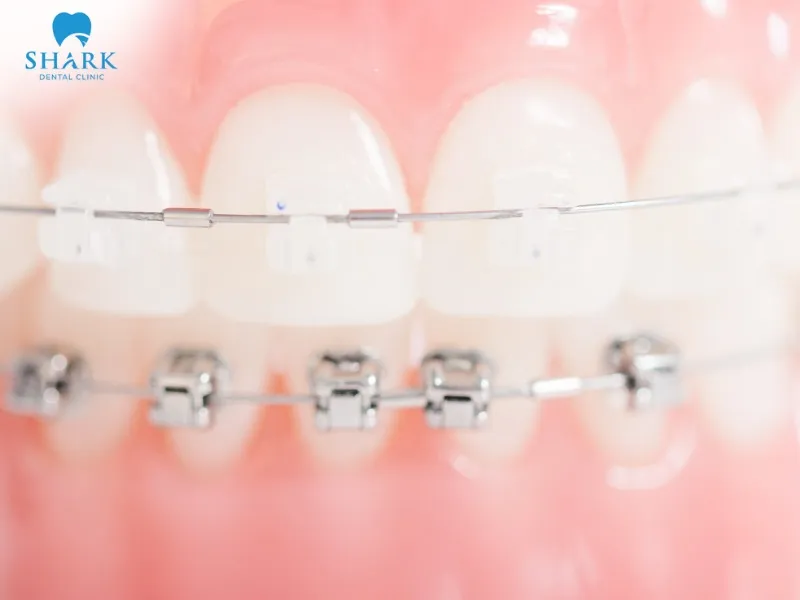
Can orthodontic treatment cause teeth to fall out?
While orthodontic treatment can potentially lead to tooth loss if the dental foundation is too weak, if incorrect techniques are used, or if excessive force is applied, such situations are rare. Orthodontic forces are carefully calculated to ensure gradual tooth movement according to the treatment plan, minimizing the risk of harm to the alveolar bone.
Distinguishing between normal wiggling and excessive mobility
When getting braces, it’s common to experience some tooth looseness, which can be normal due to tooth movement. In such cases, you may feel mild soreness but can still eat comfortably. However, if your teeth become excessively loose and you notice symptoms like bleeding or swollen red gums, it’s important to contact your dentist promptly for evaluation.
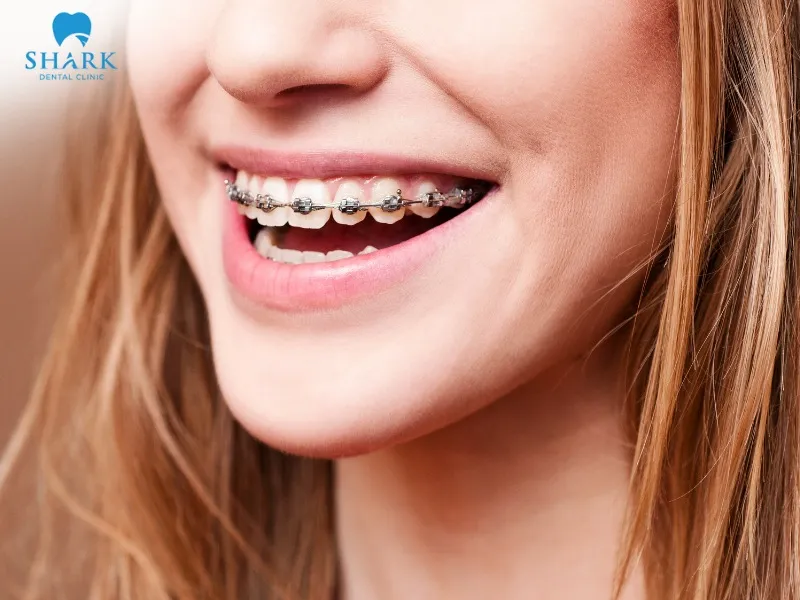
How long will the feeling of loose teeth last?
The sensation of loose teeth and soreness typically lasts for about 1 to 2 weeks after getting braces or following each adjustment appointment. Once the teeth stabilize, this feeling of looseness gradually decreases, allowing you to eat more comfortably and maintain your daily oral hygiene routine.
When do teeth firm up after treatment?
After completing orthodontic treatment, it generally takes about 6 months to 1 year for the teeth to fully regain their strength and stability. During this period, patients are required to wear retainers after braces to maintain tooth position and ensure the alveolar bone becomes firm again, allowing the periodontal ligament to return to its normal state.
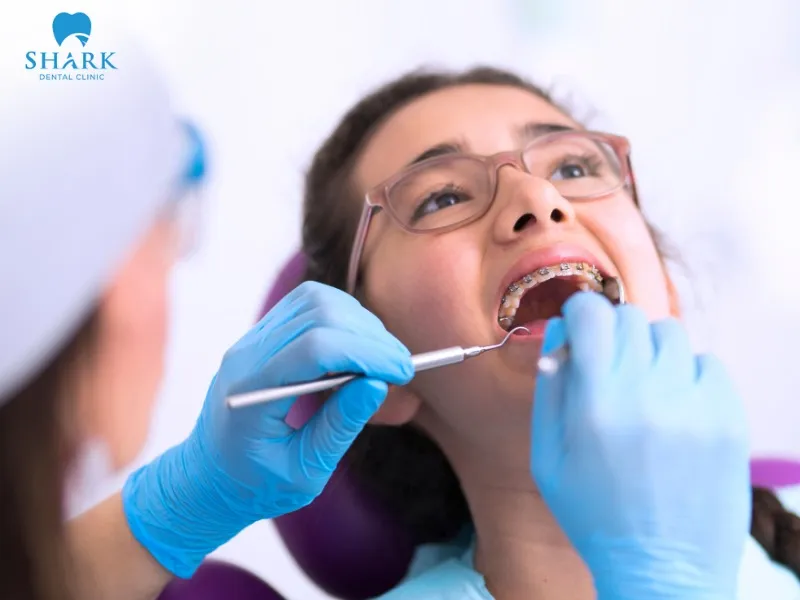
Signs that tooth looseness requires immediate professional attention
If you experience any of the following signs of tooth looseness during orthodontic treatment, it’s essential to inform your dentist immediately for prompt examination and management:
- Severe tooth pain: If loose teeth are accompanied by intense pain that does not respond to pain relievers, a thorough examination and treatment are necessary.
- Gum damage: If tooth looseness is associated with deep gum recession, inflamed gums, or foul-smelling pus discharge, seek examination. These symptoms can indicate periodontal disease, which may significantly affect your oral health and orthodontic results.
- Infection: If loose teeth are accompanied by a high fever or swollen lymph nodes, this may suggest a serious systemic infection, requiring urgent attention.
This article has addressed the common concern: Do braces make your teeth loose? Understanding this condition can help alleviate confusion and anxiety during orthodontic treatment. Hopefully, the information provided will assist you in managing any issues that may arise.
>>> See more: How long should you wait to exercise after tooth extraction?