

A retainer is a device commonly used after completing orthodontic treatment to keep the teeth in a stable position. However, not everyone fully understands what a retainer is and its actual function. So, what is the core difference regarding a retainer vs braces? Let Shark Dental Clinic guide you through a detailed comparison in the article below!
What are braces used for?
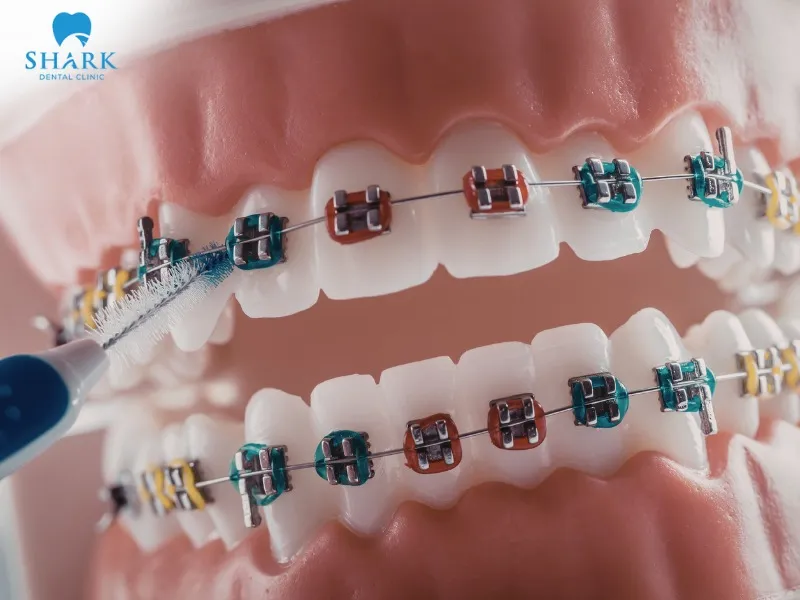
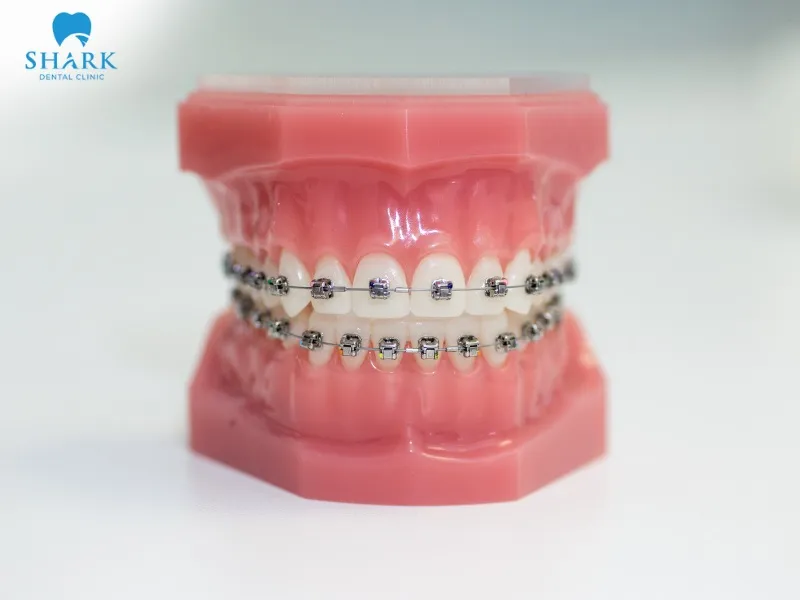
Braces are an orthodontic method that utilizes a system of appliances, including archwires and brackets, to apply appropriate pressure and help move misaligned teeth into the desired position. Depending on the specific dental condition, patients will receive recommendations for suitable orthodontic methods.
Treatment purpose of braces
The primary purpose of braces is to correct imperfections such as gaps, protruding teeth, underbites, and crooked teeth. This treatment helps align teeth evenly, enhances confidence, improves overall facial balance, and ensures a proper bite for effective chewing.
Treatment duration for braces
Typically, braces treatment lasts between 18 to 24 months, though it may extend up to 36 months in some cases. The duration depends on the level of misalignment, individual biological conditions, and the orthodontic method used.
Maintenance needs for braces
During orthodontic treatment, it is crucial to maintain proper oral hygiene. This includes gently brushing with a soft-bristled toothbrush, using interdental brushes, and incorporating effective flossers for braces, such as a water flosser. For Invisalign aligners, after removing them, store them in a clean, sealed case to prevent bacterial contamination.
Appearance and visibility of braces
Braces correct misaligned teeth by guiding them into their proper positions on the dental arch. This treatment addresses issues such as crooked, crowded, spaced, protruding teeth, and underbites, leading to straighter, more attractive teeth. As a result, individuals feel more comfortable and confident in their daily communication and activities.
What are dental retainers?
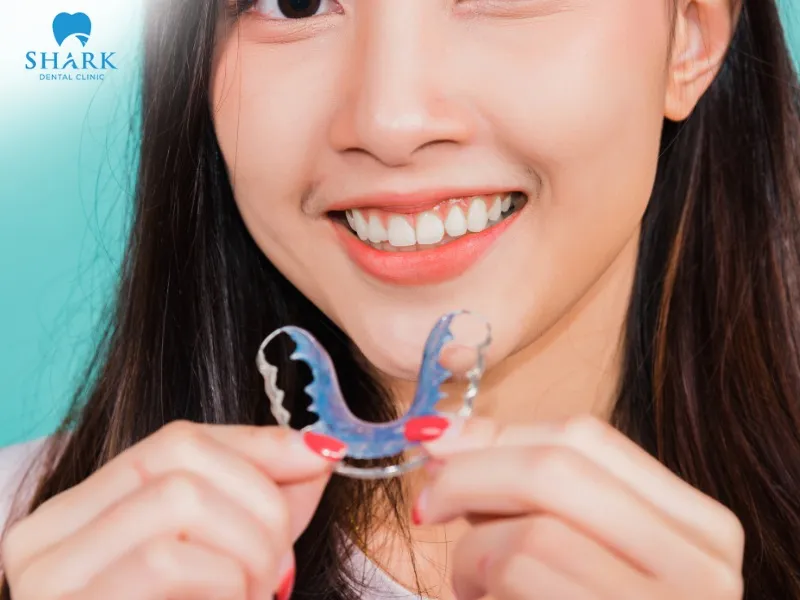
A dental retainer is an orthodontic appliance used after completing braces treatment. Retainers are made from safe plastic materials with high biocompatibility for the oral cavity. They are designed to fit closely around the teeth to prevent shifting after braces removal.
Retainer purpose after orthodontic treatment
After braces are removed, teeth need time to adapt and stabilize in their new positions. Retainers help maintain tooth alignment during this stage, minimize the impact of external forces, and ensure optimal orthodontic results.
Wear time requirements for retainers
Typically, patients are required to wear retainers daily for the first six months after braces. Once the teeth have stabilized and the jawbone structure becomes firm, usage may be reduced as instructed, allowing for the confident maintenance of straight, healthy teeth.
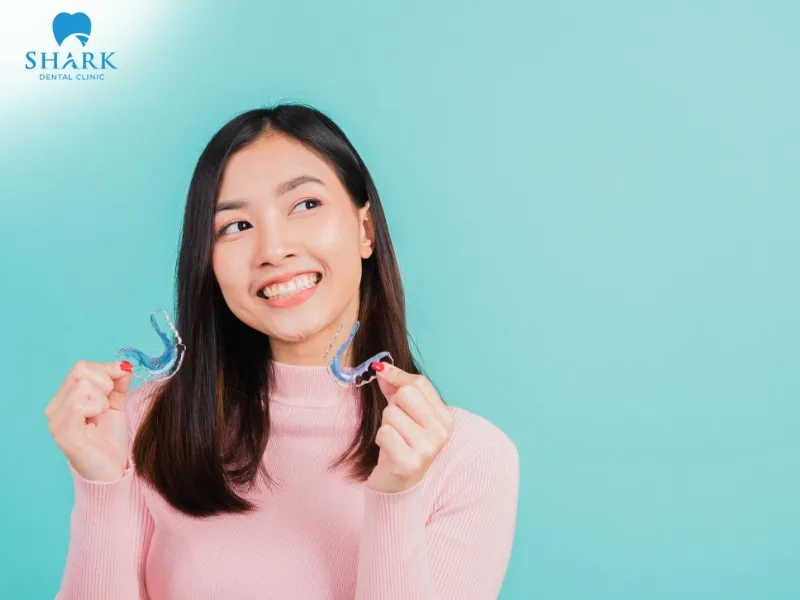
Retainer appearance and discretion
Retainers are made from transparent plastic materials and are designed to fit closely to the dental arch, ensuring an aesthetic appearance. With clear retainers, you can communicate confidently without worrying about visibility or discomfort.
Retainer care and cleaning
Retainers should be cleaned with specialized toothpaste and a soft-bristled toothbrush for braces. Avoid using excessively hot water or strong detergents, as high temperatures may deform the retainer and compromise its effectiveness.
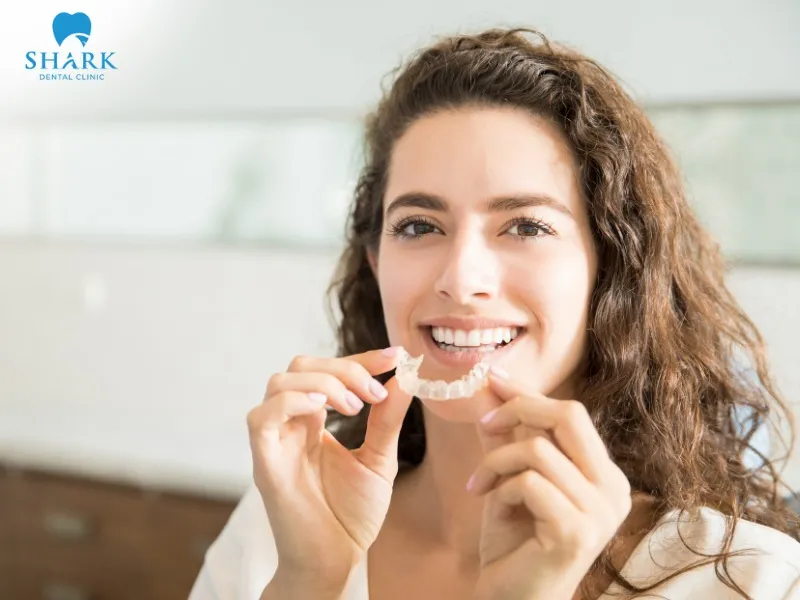
Comfort level of retainers compared to braces
Compared to the complex system of archwires and brackets used during braces treatment, retainers provide a much more comfortable experience. By this stage, the teeth have already reached their desired positions and aren’t subjected to tightening forces, resulting in minimal soreness or sensitivity.
Additionally, retainers after braces are made from flexible plastic materials and are designed to fit snugly along the dental arch without feeling bulky. After wearing a retainer for two to three days, the mouth quickly adapts, allowing you to feel comfortable and confident during daily communication and activities.

Cost comparison of retainer vs braces
The cost of braces is significantly higher than that of retainers. Retainers typically range from 500,000 to 2,000,000 VND, while braces treatment costs range from 30,000,000 to 150,000,000 VND. This substantial difference arises because the purposes of braces and retainers are entirely different.
Age considerations for braces treatment
The age range of 12 to 16 years old is considered the “golden period” for braces treatment. At this stage, permanent teeth have fully erupted, while the jawbone is still developing, making it easier to adjust and guide teeth into the desired positions. However, older patients can still undergo braces treatment according to a dentist’s plan to achieve straight, confident smiles.
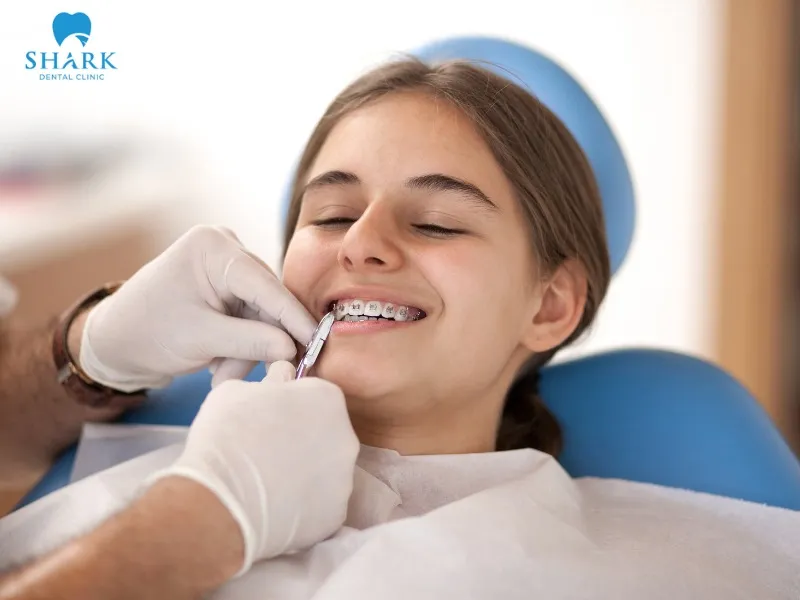
Can retainers replace braces?
Retainers cannot replace braces. Retainers are used only after completing braces treatment to maintain teeth in their new positions. They cannot move misaligned teeth into the correct position as braces can.
Retainers vs braces: Which one should you choose?
To help you understand the differences between retainer vs braces, consider the following distinctions:
- Purpose of use: Braces apply pressure to move misaligned or crowded teeth into the correct positions on the dental arch. They also help adjust the bite and modify jaw structure. In contrast, retainers stabilize teeth after braces, allowing the periodontal ligament and jawbone to recover.
- Orthodontic effectiveness: After braces treatment, you will notice clear changes in tooth alignment and positioning. However, with retainers, you generally will not see significant differences before and after wearing them, as their role is to maintain results rather than create movement.
- Treatment experience: During braces treatment, you must follow a stricter diet and attend regular follow-up visits for adjustments. Conversely, when wearing retainers, you can enjoy greater comfort in your daily eating habits.
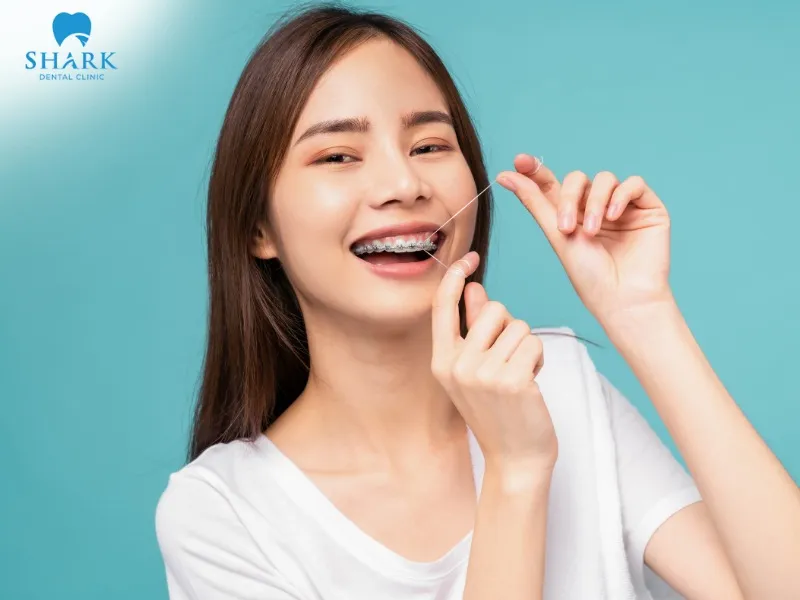
In summary, the above article provides a detailed comparison of retainer vs braces. These two methods complement each other in correcting misaligned teeth and maintaining results, ultimately helping to create a brighter, more confident smile. Hopefully, this information clarifies your concerns, enhances your understanding of orthodontic treatment, and assists you in making the right decision.
>>> See more: Lingual braces vs Invisalign