
Teeth scaling and routine dental cleaning are both methods used to clean the teeth thoroughly and remove plaque buildup, helping prevent bacteria and signs of infection from developing further. Each of these two methods comes with its own particular set of advantages and drawbacks. To get a clearer picture of how teeth scaling compares to routine cleaning, take a look at the information laid out carefully in this article on teeth scaling vs cleaning.
Understanding dental cleaning options
Having a clear understanding of the different dental methods that are available, such as teeth scaling and routine cleaning, and of how teeth scaling vs cleaning compare, will help you make the choice that’s most appropriate for your own particular situation.
What is a routine dental cleaning?
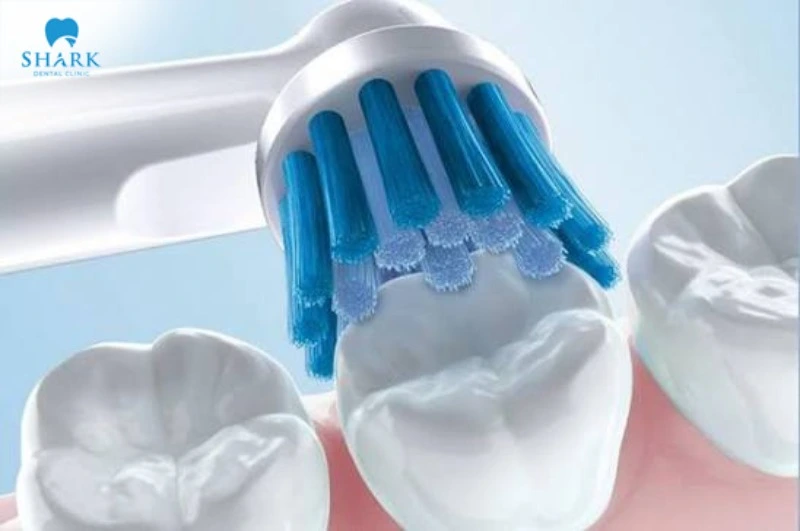
A routine dental cleaning is the ongoing process of cleaning the teeth in order to maintain good oral health over the long term. Actions such as brushing, rinsing with salt water, and generally cleaning the teeth all help prevent yellow stains and plaque from building up on the tooth surface, keeping the teeth clean and healthy on a day-to-day basis.
What is dental scaling?
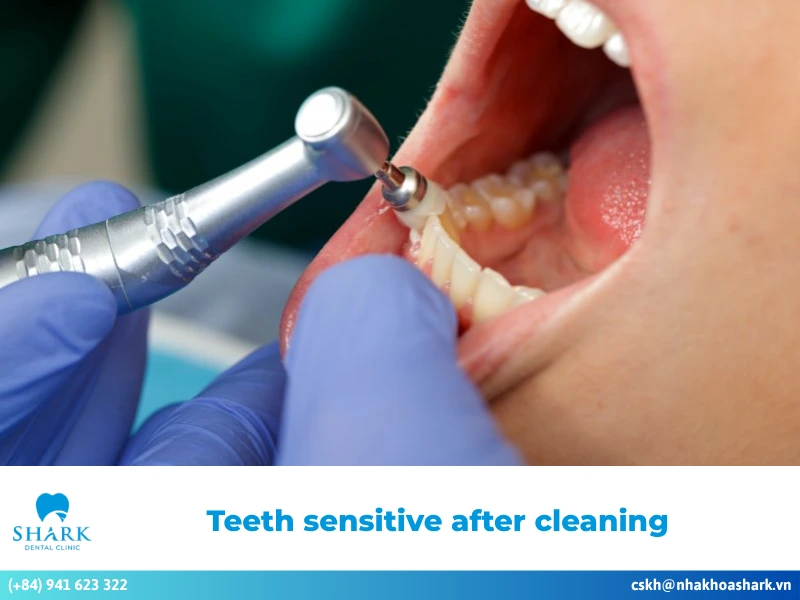
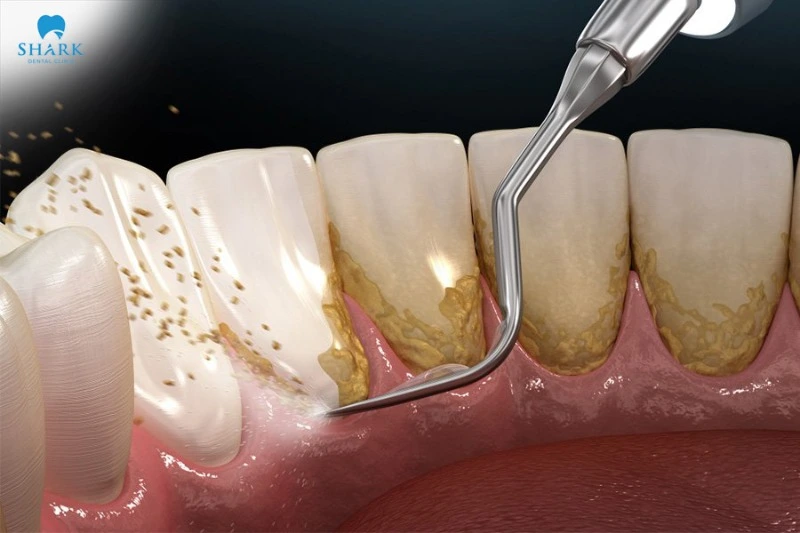
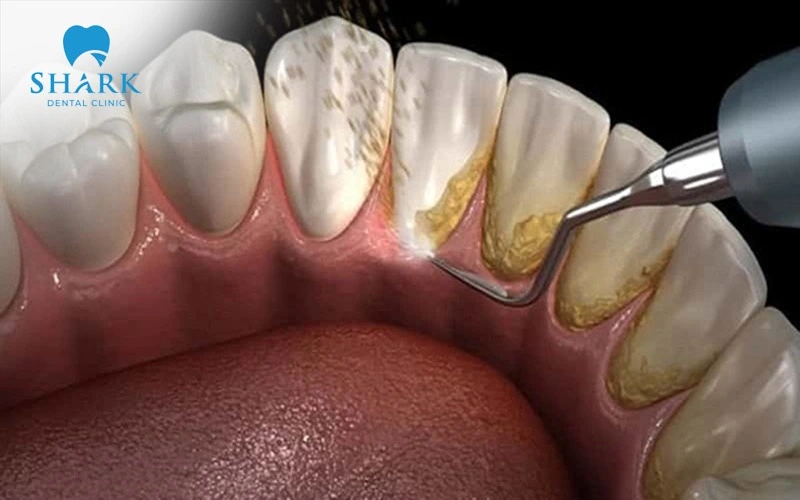
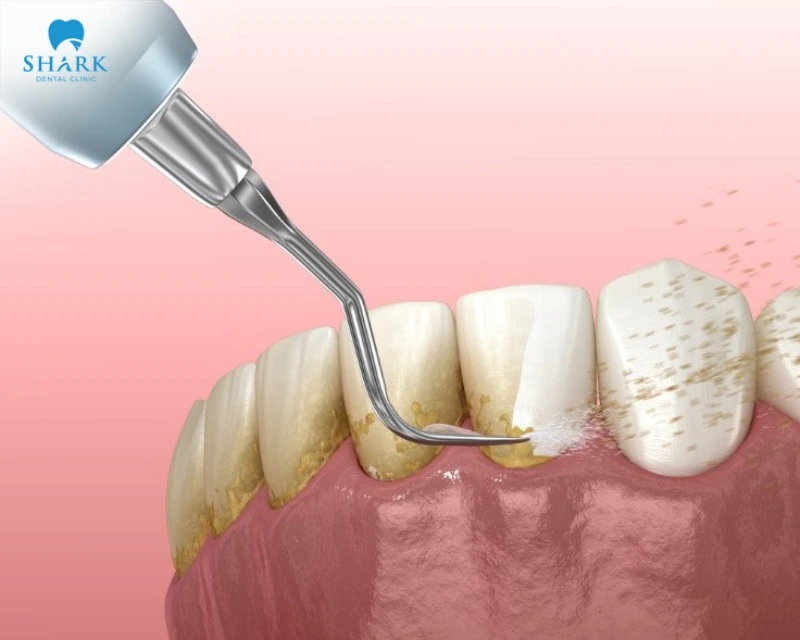
Dental scaling is a technique that uses specialized dental equipment to specifically target the areas of the teeth where plaque has built up over time, removing bacteria from the surface of the tooth. This technique helps clean the teeth in a thorough, natural way, limiting irritation and preventing deeper infection that could otherwise go on to affect the teeth and gums.
Key differences between teeth scaling and cleaning
Scaling and routine cleaning are both important dental methods that support and maintain good oral hygiene. Both play an extremely important role when it comes to removing plaque, preventing the growth of harmful bacteria, and keeping the teeth free of bacterial buildup.
| Comparison criteria | Routine oral hygiene | Dental scaling |
| Purpose of the method | Helps prevent tooth decay, maintain hygiene habits, and keep the mouth clean | Removes hardened tartar deposits and prevents tooth decay, gum inflammation, and periodontal disease |
| Who it’s for | Everyone with healthy teeth who needs daily hygiene | Those with calculus buildup or signs of gingival or periodontal inflammation, as determined through a dental assessment |
| Tools used | A specialized polishing brush and dental floss | Specialized ultrasonic equipment that breaks up and removes tartar deposits |
| Frequency | Every day, two to three times daily | As recommended by a specialist dentist, at intervals recommended by the dentist based on plaque and calculus buildup, gum health, and individual risk factors |
| Cost | Done at home, very inexpensive | The cost of teeth scaling around 300,000 VND per session |
Teeth scaling vs cleaning comparison at a glance
Scaling and routine cleaning are both methods that work inside the mouth to remove harmful bacteria and help keep the teeth strong and healthy. Scaling, though, uses specialized dental equipment to remove calcified deposits from the surface of the teeth and along the gumline, stopping the infection process from taking hold.
At its core, routine cleaning is simply a method of removing soft plaque and leftover food particles from the tooth surface, preventing the kind of bacteria that cause irritation and limiting signs of infection such as gum inflammation, periodontal disease, and tooth decay.
How do you know which treatment you need?
You can easily work out for yourself where you stand on teeth scaling vs cleaning, that is, whether you need a routine cleaning or a scaling session, simply by looking for a few basic, recognizable signs:
Signs you only need a regular cleaning
If your teeth are structurally healthy overall, with no signs of stubborn, hardened plaque buildup, you likely only need to be examined and maintain daily brushing and interdental cleaning and attend dental examinations at intervals recommended by the dentist, without needing a more intensive procedure. In this case, all you really need is a soft-bristled toothbrush, regular brushing habits, and removing leftover food particles before they have a chance to harden and calcify, keeping your teeth free of bacteria and limiting irritation over time.
Signs you need a professional periodontal assessment
If your teeth have yellow or brown deposits along the tooth roots and the gumline, and your breath has started to smell, your gums bleed, or the area swells up and becomes painful easily, these are all signs of a more significant problem. At that point, you should visit a dental clinic in order to have a scaling treatment carried out. This is considered a safe way to clean the teeth, clearing away stubborn deposits so the teeth end up properly cleaned and free of bacteria, without causing irritation or other unwanted effects inside the mouth.
Frequently asked questions
Routine oral hygiene and dental scaling are both methods that a great many people use, but not everyone fully understands what each one involves. Many people still have lingering questions and concerns about what’s actually involved in each of them.
Is teeth scaling painful?
Scaling is a relatively simple, straightforward procedure, carried out using specialized equipment that targets the specific areas of the teeth with heavy plaque buildup. The first time you actually get scaling done, you may experience some mild sensitivity or discomfort, since the surface of the tooth and the roots are being worked on directly, which can naturally cause a certain amount of sensitivity. That said, there’s really no need to worry too much about this, since once the scaling and polishing process is complete, everything tends to feel gentle and comfortable again, with minimal lasting effects or complications afterward.
Does scaling damage tooth enamel?
Scaling is generally considered to be a simple dental technique that specifically targets the layer of hardened plaque, removing stubborn buildup from the tooth surface. In general, this technique doesn’t have much of an impact on the tooth itself, and it doesn’t damage or wear down the enamel the way many people tend to assume. During the procedure itself, the dentist uses specialized dental instruments and follows a clear, established process in order to fully remove all plaque buildup while also ensuring the procedure remains safe and genuinely beneficial to your overall health.
How long does recovery take after scaling?
Generally speaking, routine scaling usually does not require a defined recovery period, although temporary sensitivity or mild gum tenderness may occur; periodontal scaling and root planing may require follow-up over the following weeks. During this period, the gum tissue firms back up again, any irritation gradually subsides, and the teeth settle back into a stable state.
Within the first 24 hours or so, the teeth will feel slightly sensitive and the gums around them may bleed a little. By around the fifth day after the scaling treatment, the gum tissue begins to stabilize and gradually regenerate on its own.
This article has shared detailed, practical information on teeth scaling vs cleaning, comparing teeth scaling and routine cleaning. Both methods are ultimately aimed at keeping the teeth clean, preventing tooth decay, and limiting signs of infection from developing. That said, which approach is genuinely right for you will depend on the severity of any existing infection or inflammation, as well as the overall condition of your teeth. Daily oral hygiene is performed at home, while professional scaling should be carried out by a qualified dental professional when clinically indicated. If you’re interested, feel free to reach out to Shark Dental Clinic, a trusted dental provider in Vietnam offering safe, effective oral care and hygiene solutions to help meet your needs.
>>> See more: Does scaling whiten teeth?