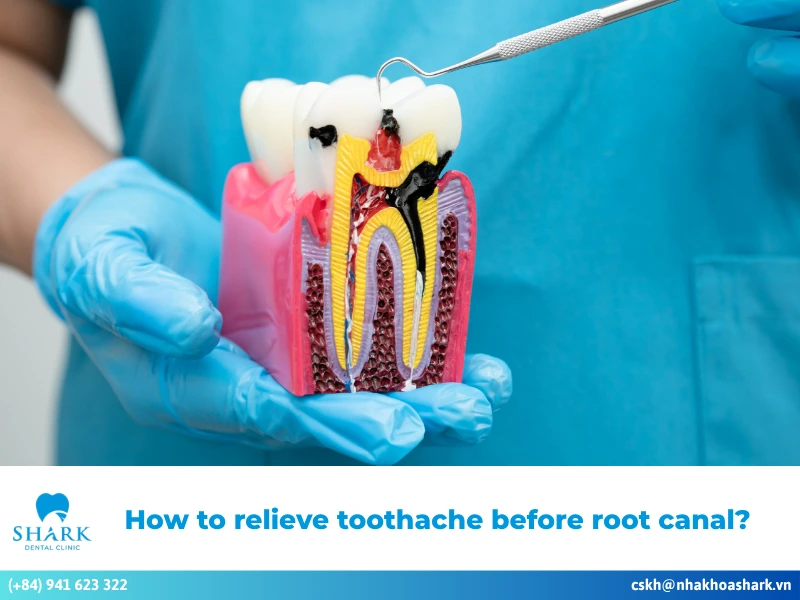


Porcelain dental restorations are considered a leading cosmetic trend in modern dentistry today. However, after dental restoration, the margins around porcelain crowns and the areas beneath dental bridges can easily become places where harmful bacteria and food debris collect. The following article provides detailed guidance on how to clean under porcelain crown bridge restorations correctly and effectively. Read on to learn the proper methods!
Why cleaning under your porcelain crown bridge is essential?
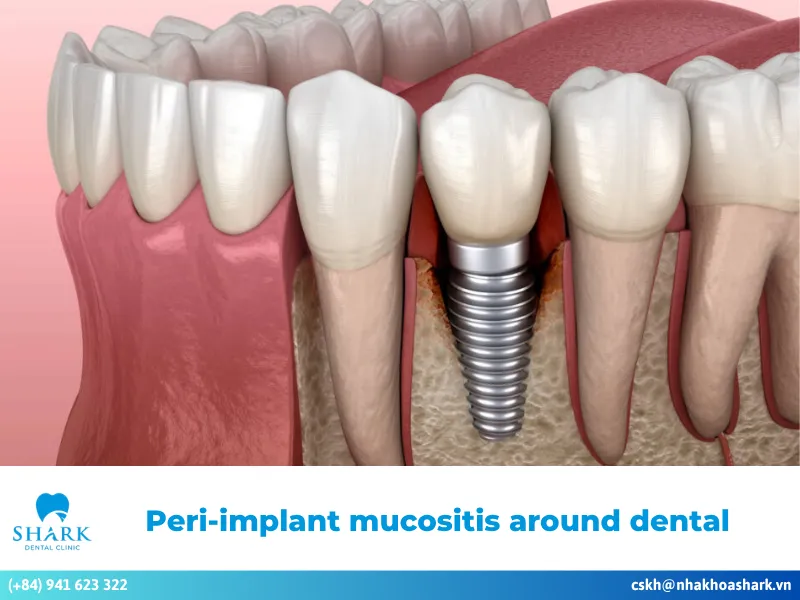
Dental bridges have an underside beneath the artificial tooth, known as the pontic, while crowns require careful cleaning around their margins and between adjacent teeth. Particularly where the porcelain restoration comes into contact with the gum tissue. These narrow spaces can easily collect bacteria and leftover food particles. Moreover, they are difficult for an ordinary toothbrush to reach and may be overlooked during daily oral cleaning, increasing the risk of inflammation and other oral health problems.
Several important reasons to pay close attention to cleaning beneath porcelain bridges and crowns include the following:
- Preventing bad breath: Food particles trapped beneath porcelain crowns and bridges may gradually decompose and become an ideal food source for bacteria. This bacterial activity and decomposing debris are also common causes of extremely unpleasant and persistent bad breath.
- Preventing gingivitis: Plaque that accumulates around crown margins or beneath the bridge pontic for a prolonged period can irritate the surrounding soft tissues and contribute to gum recession. Without proper oral cleaning, the gums may become inflamed, swollen, painful, or sensitive around the restored teeth.
- Protecting natural teeth: When the oral cavity is cleaned correctly and thoroughly, bacteria are less able to attack the supporting teeth and tooth roots beneath the restorations. This helps provide optimal protection for the remaining natural teeth.

Best tools to clean under a porcelain crown bridge
Only a very small gap is usually present beneath porcelain crowns and bridges. A conventional toothbrush often cannot reach these areas and may not completely remove trapped food debris or plaque from inside the mouth. Therefore, after receiving porcelain restorations, you should consider using the following specialized cleaning tools.
Super floss and floss threaders
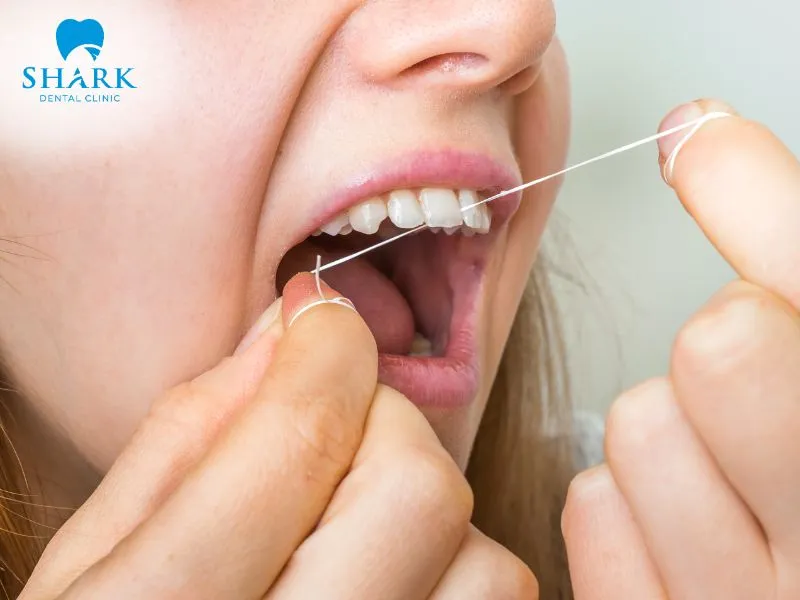
Specialized floss for porcelain restorations commonly consists of three sections: A stiff threader end, a soft spongy section, and a regular floss section. With this tool, you can easily guide the thin floss beneath a porcelain bridge and around the supporting crowns to remove accumulated plaque and remaining food debris. The threader helps direct the floss through narrow spaces, while the spongy section cleans the underside of the restoration more effectively. Regular use can improve the overall effectiveness of your daily oral hygiene routine.
>>> See more: Can flossing loosen a crown?
Water flossers and oral irrigators
A water flosser is designed to produce narrow streams of water and generally provides several adjustable pressure settings. These small water streams can move through the mouth and reach deeper areas that are difficult to access with a toothbrush or ordinary floss. When used correctly, the water pressure helps remove remaining food particles and bacteria beneath porcelain crowns and bridges without causing pain or significant discomfort. The different settings also allow users to select a comfortable pressure level for their teeth, gums, and porcelain restorations.
Interdental brushes and rubber tips
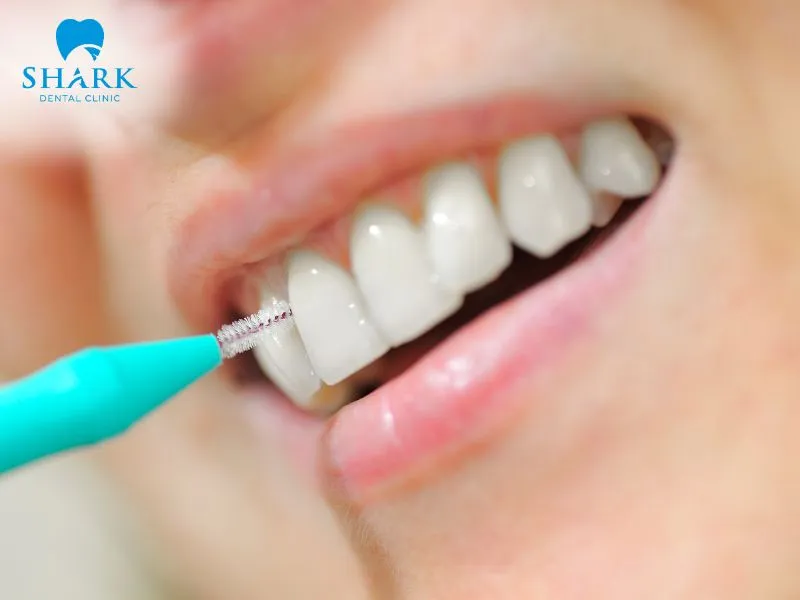
Interdental brushes have a compact design with a small, rounded or tapered brush head. This shape allows the brush to clean suitable spaces between teeth, around crown margins, and beneath bridge pontics when sufficient space is available more easily. It can remove trapped food particles from areas that an ordinary toothbrush cannot clean effectively. In addition to cleaning debris, some interdental brushes or rubber tips can gently massage the surrounding gum tissue. This gentle stimulation may help remove plaque around the restoration while helping maintain cleaner spaces around the porcelain restorations.
Step by step guide to cleaning under your dental bridge
To keep the oral cavity consistently clean and reduce the risk of bad breath, bacterial accumulation, and inflammation, you should carefully follow the instructions below:
How to thread and use dental floss under the bridge
First, guide the dental floss through the space beside the porcelain crown. Once the stiff end of the floss has passed through the gap, pull it gently until the soft, spongy section is positioned beneath the porcelain bridge.
Next, move the floss back and forth carefully to remove accumulated plaque and remaining food debris from beneath the restoration. Finally, pull the floss out gently to complete the cleaning process without placing unnecessary pressure on the bridge, supporting teeth, or surrounding sensitive gum tissue.
How to use a water flosser effectively
Before using a water flosser, fill the reservoir with warm water and select the lowest pressure setting so the gums have time to become accustomed to the water stream.
Next, place the water flosser tip at a 90-degree angle toward the gumline and move it gradually along the gum line. Continue directing the water around the restoration until plaque and trapped debris have been thoroughly removed.

Tips to maintain your porcelain crown bridge and prevent damage
In addition to using specialized tools to clean beneath porcelain crowns, you should follow several appropriate oral care measures to protect the bridge and reduce the risk of damage during long-term daily use.
Maintain a consistent oral hygiene routine
Brush your teeth two to three times each day with a fluoride toothpaste to help prevent tooth decay and inflammation. Regular brushing also limits the buildup of stubborn plaque around the porcelain restoration.
Keeping the teeth and gum line clean helps the porcelain crowns maintain their aesthetic appearance and supports the long-term effectiveness of the dental restoration.
Avoid hard and sticky foods
During everyday meals, limit foods that are excessively hard or sticky. These foods may become firmly trapped between the teeth or beneath the bridge. They can also create strong pulling forces that loosen the dental adhesive, affect the stability of the restoration, and reduce the effectiveness of the completed dental treatment.

Schedule regular dental checkups and cleanings
After receiving porcelain dental restorations, attend regular follow-up appointments according to your dentist’s recommendations. During these examinations, the dentist can assess the condition of your teeth, gums, crowns, and bridge. If signs of inflammation or another abnormal problem are detected, the dentist can provide timely treatment immediately, helping protect the supporting teeth and prevent the condition from becoming more serious.
When to see your dentist about your dental bridge?
You should visit a dental clinic to have the porcelain bridge examined if you notice any unusual symptoms. Warning signs may include persistent bad breath, tooth pain, sensitivity, red or swollen gums, or a bridge that feels loose, bulky, or uncomfortable during daily use.
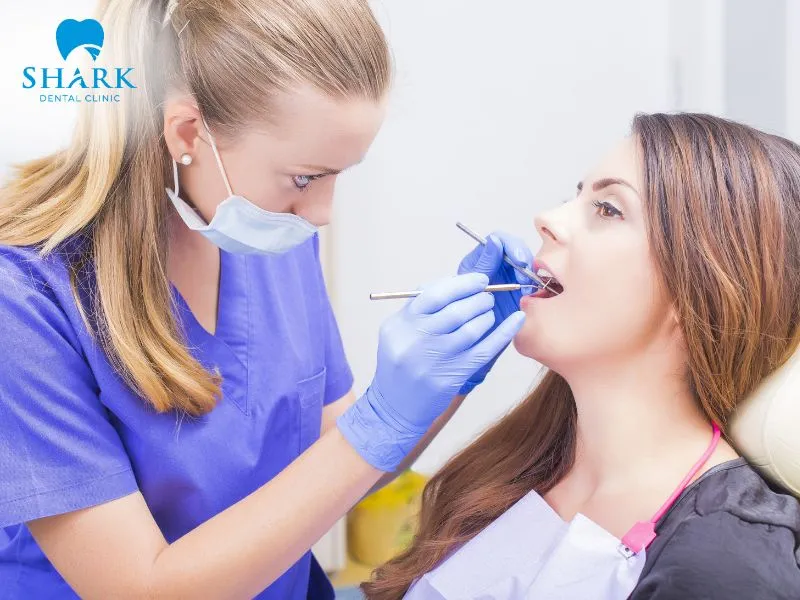
The information above provides detailed guidance on how to clean under porcelain crown bridge restorations. Following proper oral hygiene instructions can help porcelain restorations maintain their aesthetic appearance, stability, and durability over the long term. Contact Shark Dental Clinic if you need further advice or detailed professional guidance about suitable modern dental restoration methods!