

The introduction of porcelain crown CAD/CAM technology has marked a significant advancement in cosmetic dentistry. This modern system helps shorten treatment time while delivering highly precise and effective restorative results. The following article explains the process and key advantages of this technology in greater detail!
What is CAD/CAM ceramic crown technology?
CAD/CAM ceramic crown technology is a fully computer-assisted technique used to design and manufacture ceramic crowns. Based on digital data collected from the patient’s natural teeth, advanced dental software accurately calculates the shape, size, and proportions of the restoration. This allows each porcelain crown to be individually designed according to the specific dental structure of each patient.
CAD refers to a modern computer-aided design system that creates a three-dimensional model from digital scans of the patient’s tooth structure. CAM refers to the computer-aided manufacturing and milling system used to produce the dental restoration based on the 3D model created through CAD. The entire process is largely automated, helping reduce treatment time while maintaining a high level of accuracy.
How the CAD/CAM porcelain crown process works
The use of CAD/CAM technology in porcelain crown fabrication follows a series of specific steps to help ensure accuracy, proper fit, and effective restorative results.
Step 1: Digital 3D scanning
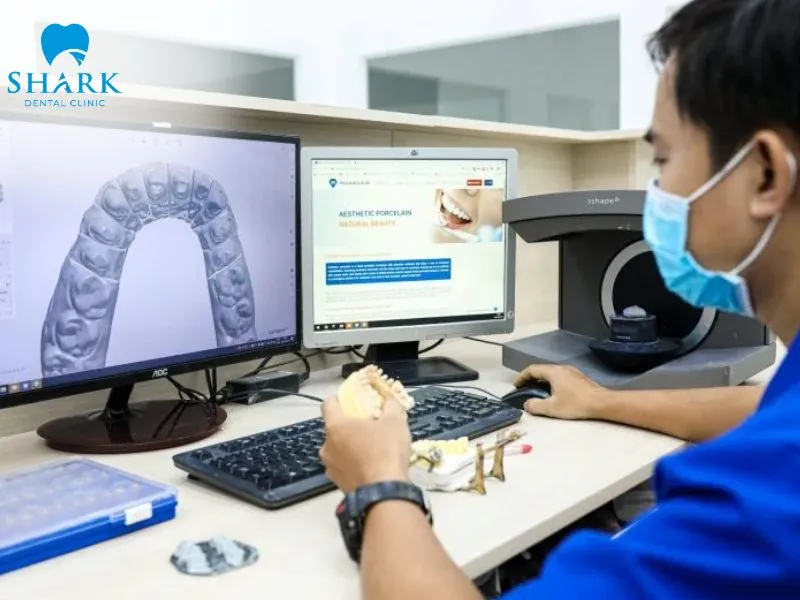
After receiving a comprehensive oral health examination and treatment for any existing inflammation or infection, the patient’s natural teeth are scanned using a modern digital 3D scanner. The digital data is processed either through an in-office chairside CAD/CAM system or transferred to a dental laboratory, depending on the clinic’s workflow.
This scanning step is completed quickly and does not cause significant discomfort or pain for the patient. It also provides precise digital information about the structure and dimensions of the affected tooth.
Step 2: Computer aided design
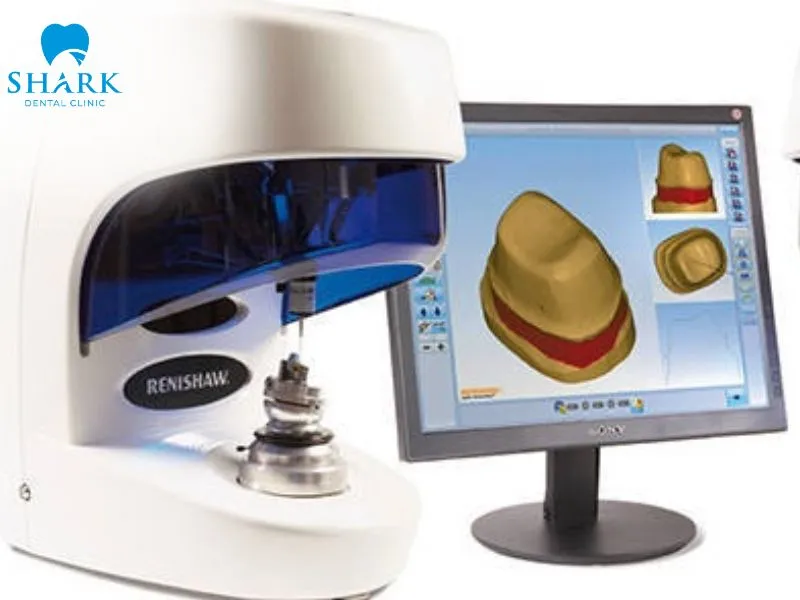
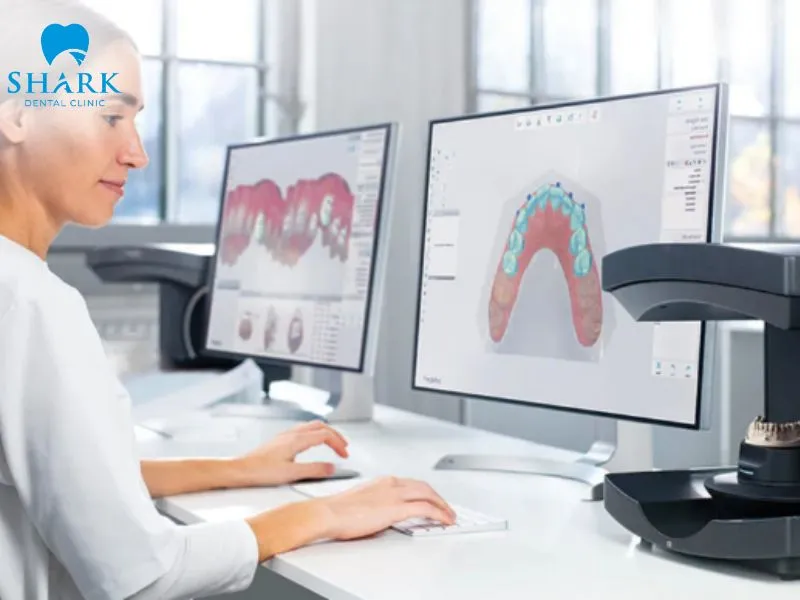
The digital images and measurements collected from the scan are transferred into CAD software. This program allows the dentist and dental technician to accurately simulate the shape and structure of the porcelain crown.
The technician can also adjust small design details to improve the final restorative result. These details may include the thickness of the crown, the gumline margin, the overall tooth shape, and other structural features required to create a suitable restoration.
Step 3: Computer aided manufacturing and milling
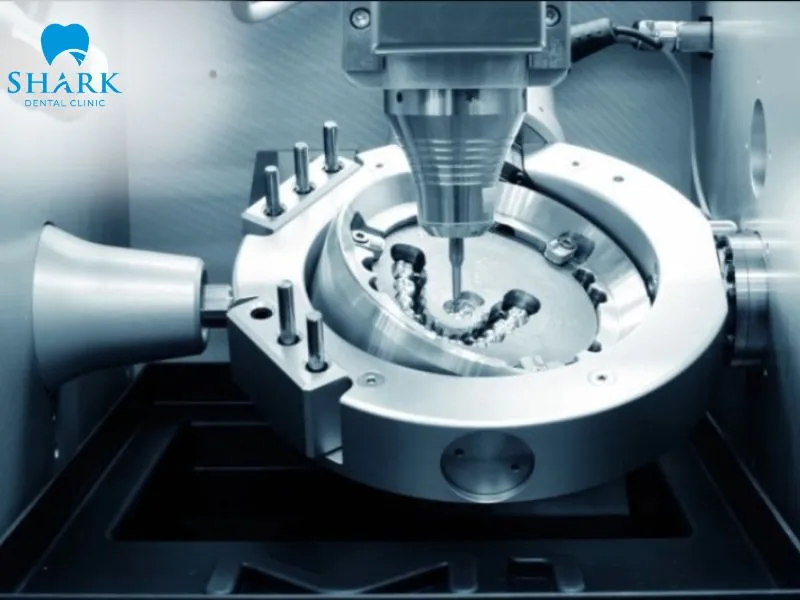
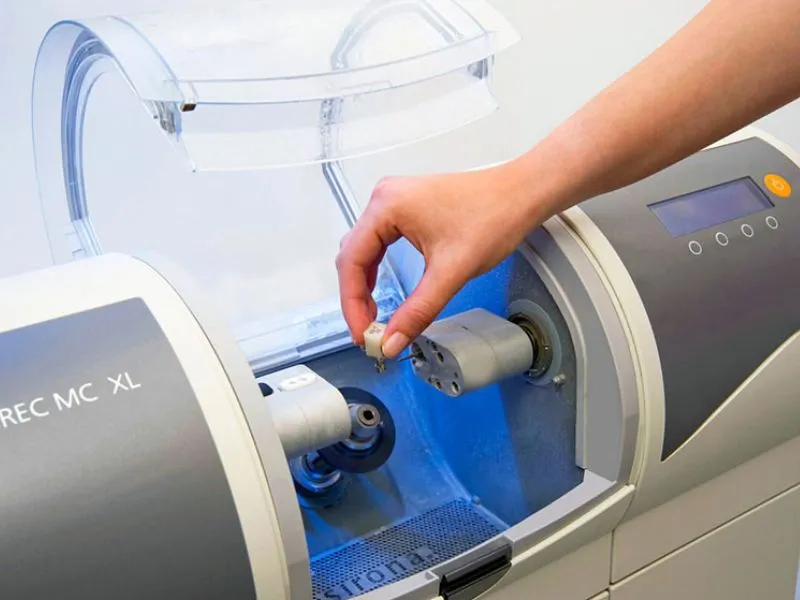
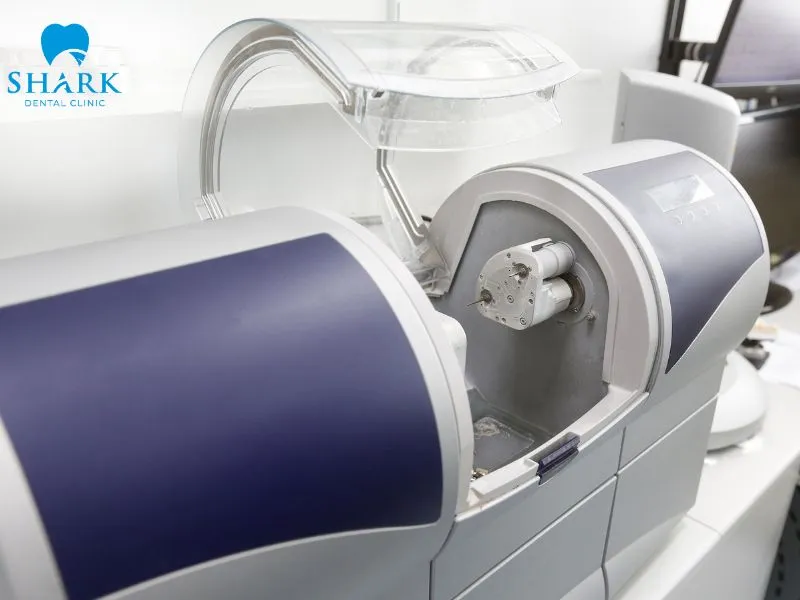
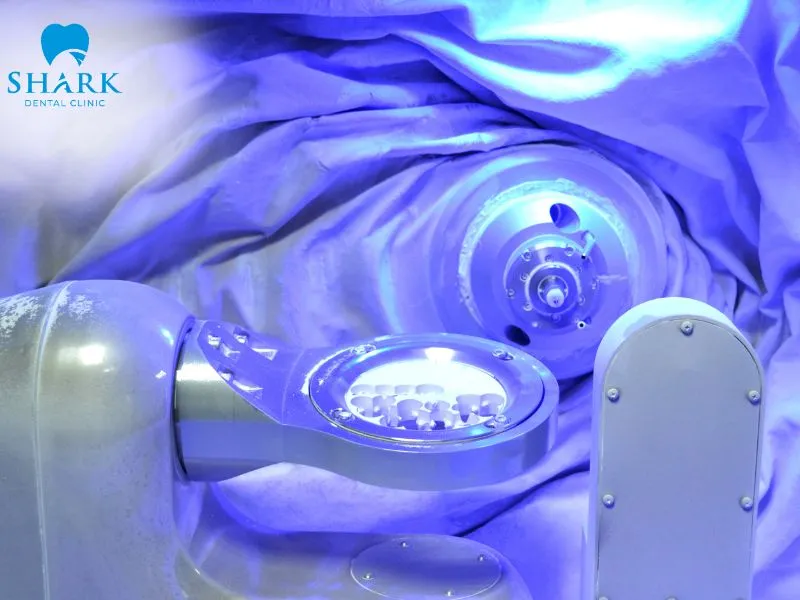
After the three-dimensional porcelain crown design has been completed, the data is transferred to the digital CAM system. The milling machine uses extremely small cutting and drilling instruments to shape and process a ceramic block according to the approved design.
This computer-controlled manufacturing process creates a porcelain crown that closely follows the digital model. The high level of precision achieved during milling helps improve the crown’s fit and supports a comprehensive aesthetic result.
Step 4: Customization and placement
After milling, the restoration is finished according to the selected material. This may include crystallization, sintering, staining, glazing, or polishing. The dental technician then carefully applies customized coloring and surface glazing to give the crown a natural appearance that blends harmoniously with the patient’s surrounding teeth.
Once the crown has been fully customized and completed, the dentist places it over the prepared natural tooth. The crown is checked and secured in the correct position, completing the porcelain dental restoration procedure.
Digital CAD/CAM workflow vs. conventional impression and fabrication workflow
CAD/CAM ceramic crown technology represents a major advancement in restorative dentistry compared with conventional crown fabrication methods used in the past. The main differences between CAD/CAM crowns and traditional laboratory-made crowns are explained below:
Speed and convenience
CAD/CAM technology helps shorten both crown fabrication time and the overall restoration process by using precise digital data together with modern computer-controlled milling equipment. The porcelain crown can usually be designed, manufactured, adjusted, and placed within approximately 1 to 2 days, helping patients reduce the amount of time required for treatment.
Conventional workflows generally use physical impressions and stone models, followed by material-specific laboratory fabrication steps such as waxing, pressing, casting, or porcelain layering. Patients often need to wait around 3 to 5 days for the porcelain crown to be completed. Additional time may also be required for crown adjustments.
Accuracy and comfort of digital impressions
CAD/CAM technology uses a modern 3D scanner to create direct three-dimensional images of the patient’s tooth structure. Precise 3D data helps ensure that the completed crown fits closely against the natural tooth margin, minimizing the risk of gaps developing around the crown after restoration.
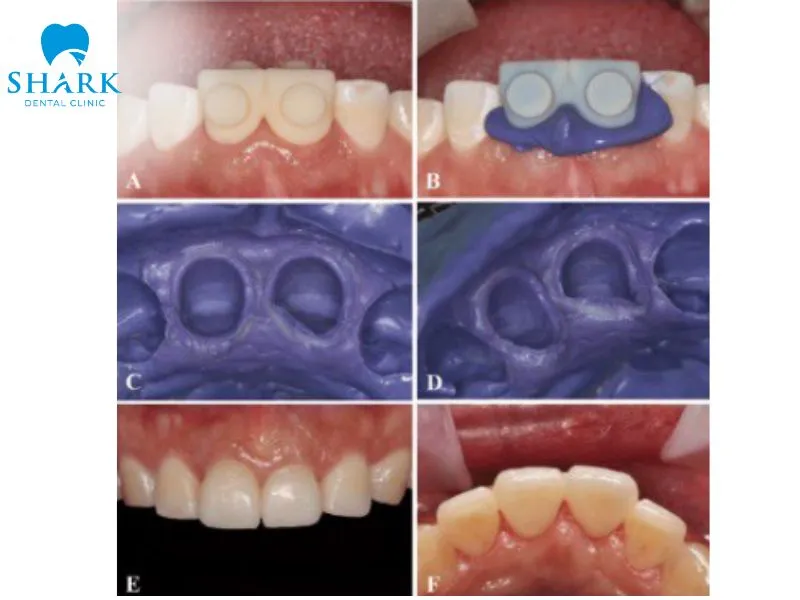
Traditional porcelain crown procedures use an impression tray filled with molding material that is pressed against the teeth. The material must remain inside the mouth until it hardens before the impression can be removed and used to create a model of the natural teeth. This technique may feel bulky, uncomfortable, or restrictive and may even cause irritation after the impression is taken. In addition, plaster models can become distorted, reducing overall accuracy.
Aesthetic differences and material options
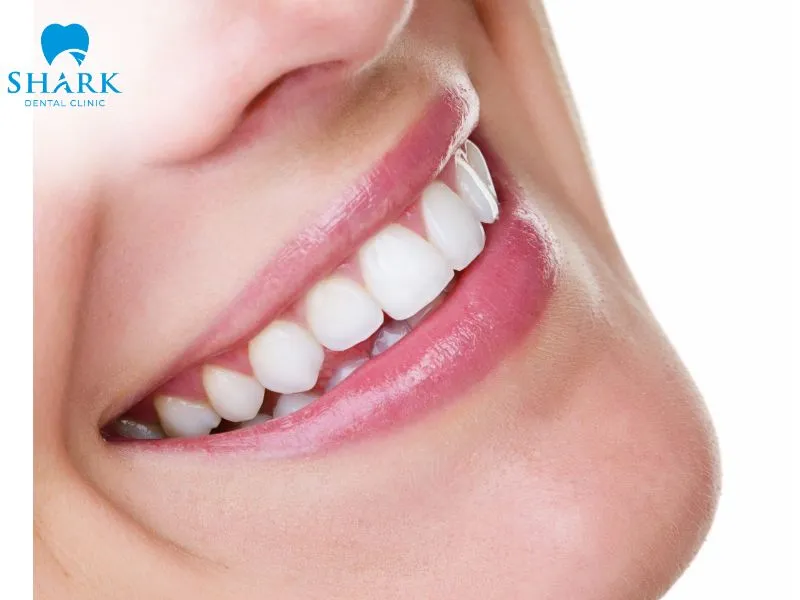
CAD/CAM ceramic crown technology commonly uses modern solid ceramic materials such as Emax, Cercon, and Zirconia crown. These monolithic ceramic materials are processed with advanced equipment to provide natural translucency, excellent resistance to chewing forces, and stable color that does not change easily over time.
Traditional crowns may use porcelain powder or an internal metal framework covered with a thin outer layer of porcelain. Although this method can still provide acceptable basic aesthetic results, it may be difficult to produce an even porcelain thickness. The outer porcelain layer may also be at risk of chipping. In some cases, traditional crowns can create a dark line around the gum margin after being worn for a prolonged period.
Compared with traditional methods, this digital workflow reduces the waiting period between scanning and final placement. It also allows the crown design to be transferred directly to the milling system, which helps maintain consistency between the digital model and the completed restoration with greater overall precision and consistency.
Key benefits of porcelain crown CAD/CAM technology
CAD/CAM technology is now widely used in restorative dentistry and has received positive evaluations from both dental professionals and patients. Some of the main advantages are described below:
Restoration in a single visit
With modern CAD/CAM porcelain crown technology, all major stages, from scanning the natural teeth to designing and manufacturing the porcelain crown, can be completed quickly.
If the patient has suitable oral health and does not require treatment for inflammation, infection, or other dental problems beforehand, the porcelain crown may be placed during the first appointment. Completing the restoration in one visit can help patients save time and effort while still receiving a precisely designed crown.
Highly precise and comfortable fit
One of the most significant advantages of CAD/CAM ceramic crown technology is its high level of accuracy. After fabrication, the porcelain crown fits closely around the prepared natural tooth, helping create a comfortable and secure feeling after restoration. In addition, this technology may help reduce the risk of tooth decay and inflammation caused by gaps developing around the porcelain crown margin.
Conservation of natural tooth structure
With advanced digital simulation technology, dental technicians can collect highly accurate data about the structure of the natural tooth before designing the porcelain crown. Modern monolithic ceramic materials also provide good strength and resistance to chewing forces. The amount of tooth preparation depends on the existing tooth condition, restorative design, selected material, and minimum thickness requirements. CAD/CAM technology does not eliminate the need for appropriate tooth reduction.
Limitations of CAD/CAM technology in porcelain crown fabrication
Although CAD/CAM ceramic crown technology offers many notable advantages, it still has several limitations that patients should consider before choosing this restoration method.
Aesthetic limitations for front teeth
CAD/CAM fabrication can create porcelain crowns with a consistent shade and natural-looking gloss. However, this technology may not always provide the most refined aesthetic result for front teeth, which often have detailed surface patterns and complex levels of optical translucency.
To create a more natural appearance in the visible front tooth area, dental technicians may need to manually apply additional layers of porcelain and carefully adjust the shade. These finishing steps help the completed crown blend more harmoniously with the surrounding natural teeth.
Equipment availability and cost
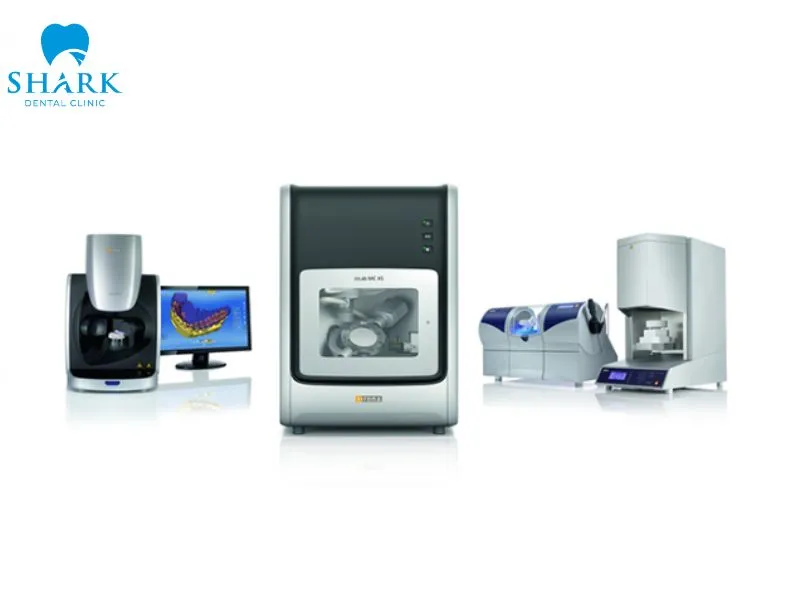
A complete CAD/CAM system includes advanced equipment such as a digital 3D scanner, specialized design software, and a computer-controlled milling machine. Purchasing and maintaining this equipment requires a considerable investment from dental clinics.
As a result, dental restorations produced with CAD/CAM technology usually cost more than crowns made using traditional fabrication methods. The availability of this treatment may also depend on whether the dental clinic has the necessary equipment and trained technical staff.
Cost and longevity of CAD/CAM porcelain crowns
Besides treatment time and restorative effectiveness, cost and durability are among the main concerns for patients considering a porcelain crown CAD/CAM technology procedure.
How much do CAD/CAM crowns cost?
Porcelain crowns fabricated with CAD/CAM technology generally cost approximately VND 3,000,000 to VND 12,000,000 per tooth. This price is higher than that of many traditional crown fabrication methods.
However, the higher cost reflects the aesthetic quality, shorter production time, accurate fit, and ability to help reduce the risk of inflammation caused by poorly fitting crown margins. The exact price may depend on the selected ceramic material and the dental clinic providing treatment.
How long do they last?
CAD/CAM ceramic crowns can provide long-term clinical service, but their lifespan varies according to the material, tooth position, preparation and bonding quality, occlusal forces, oral hygiene, and maintenance. They may remain functional for even longer when patients consistently follow proper oral hygiene and dental care instructions. The durability and lifespan of a porcelain crown also depend on several additional factors:
- Ceramic material: High-quality monolithic ceramic materials generally provide strong resistance to biting forces and long-term durability. More affordable or lower-grade ceramic materials may have weaker resistance and may not remain durable for the same length of time.
- Dental technique: The dentist’s technique when placing, fitting, and adjusting the porcelain crown plays an important role in maintaining its durability and expected lifespan. Accurate placement helps the crown remain stable and function correctly during daily biting and chewing.
- Oral care: Maintaining a proper oral hygiene routine and following the dentist’s care instructions can help keep porcelain crowns strong, attractive, and functional for many years.
Porcelain crown CAD/CAM technology provides an advanced dental restoration solution with high accuracy and excellent aesthetic results, making it a popular choice among many patients. Hopefully, the information shared above has helped you better understand this technology, allowing you to confidently select an appropriate restorative option and achieve strong, healthy, and evenly colored teeth.