
Damaged teeth, missing teeth, uneven tooth color, overbite, underbite, and other dental concerns are common issues that make many people feel self-conscious and less confident in daily communication. For this reason, veneers vs dentures are considered effective restorative solutions that help improve both oral function and smile aesthetics. The following article will help you better understand the differences between veneers and dentures, as well as which method may be more suitable for your specific dental condition and aesthetic needs. Explore the details below with Shark Dental Clinic!
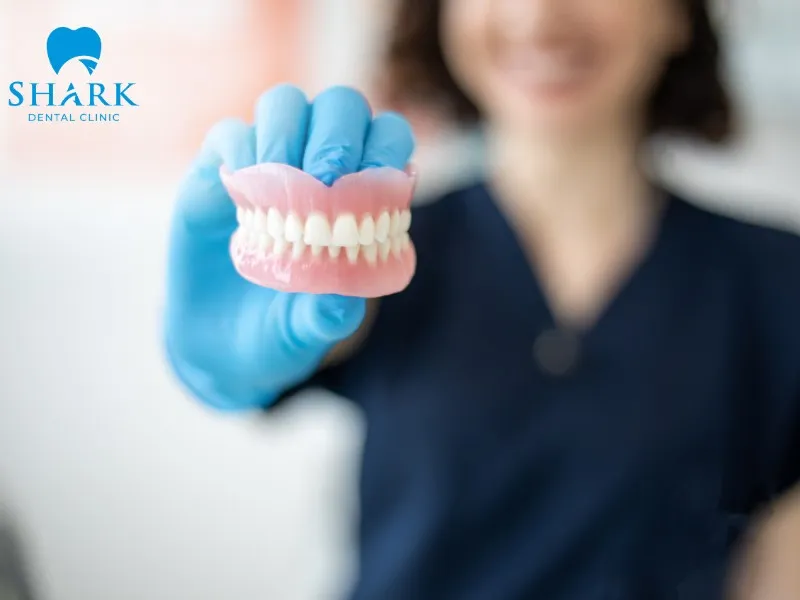
What are dentures?
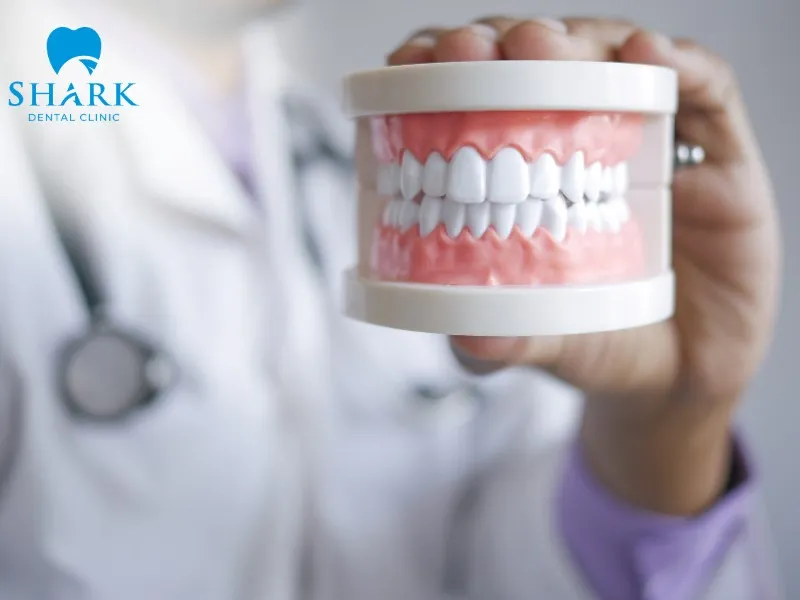
Dentures are dental prosthetic restorations made from porcelain or other dental materials, designed to either be fixed permanently on the dental arch or removed flexibly depending on the chosen restoration method. Dentures help improve dental imperfections such as chipped teeth, protruding teeth, underbites, or uneven tooth color, while also helping restore chewing ability and supporting more comfortable communication in daily life.
Dentures are custom-crafted based on the patient’s natural teeth and can be attached to existing tooth roots or restored on Implant posts. The lifespan of dentures can last from 7 – 10 years or even longer if they are cared for properly and maintained according to the dentist’s instructions. This is currently considered a cost-effective dental restoration solution that is widely chosen by many patients.
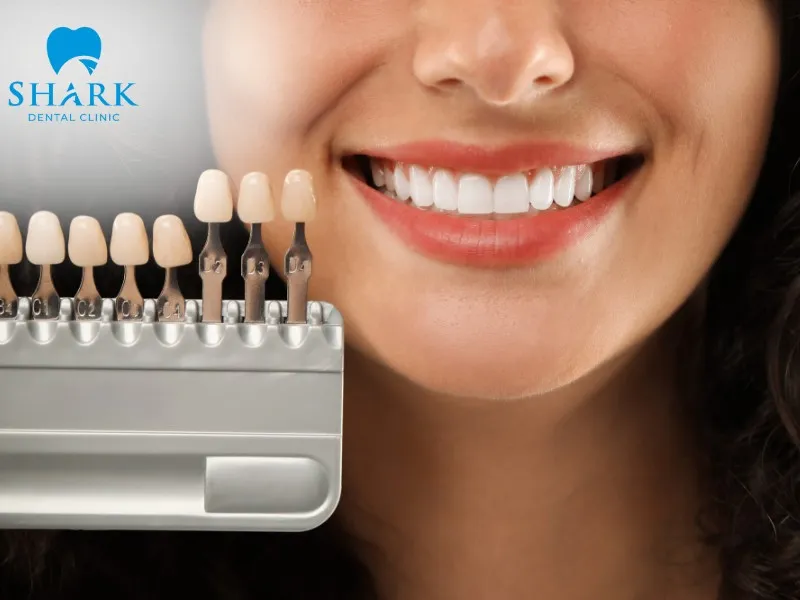
What are veneers?
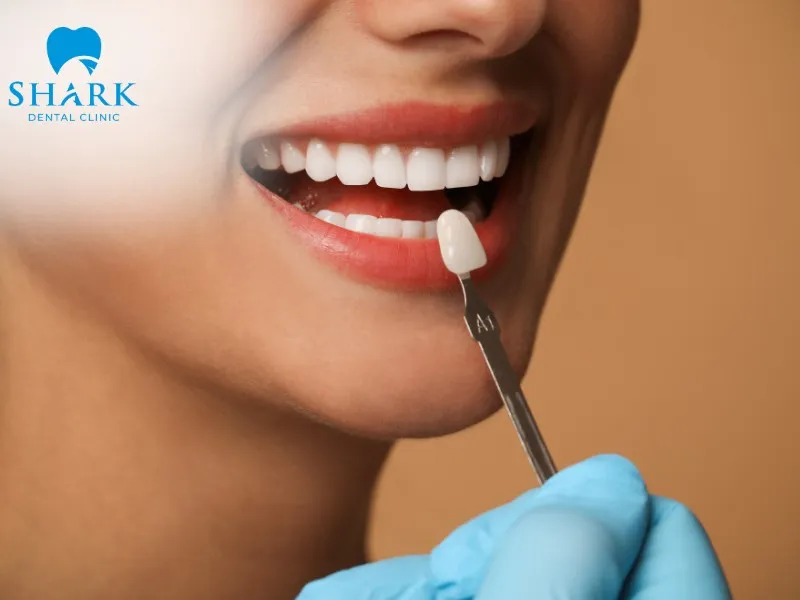
Porcelain veneers, also known as dental veneers, are considered a modern cosmetic dental trend that uses ultra-thin porcelain shells, typically around 0.3 – 0.5mm thick, bonded onto the surface of natural teeth. Veneers are fabricated from premium materials such as Cercon or Zirconia, helping effectively conceal imperfections, including stained, yellow teeth, discoloration, or minor chips and cracks.
The veneer procedure is relatively simple, time-saving, and minimally invasive to the natural tooth structure. In terms of durability, porcelain veneers can last for more than 10 years or even longer when maintained with proper oral hygiene and scientific dental care habits. However, this method may not be suitable for people whose teeth are severely damaged or heavily chipped.
Comparing the differences between dentures vs veneers
Similarities
- Aesthetic appearance: Both veneers vs dentures are designed based on the shape, size, and color of natural teeth, helping create a balanced and natural-looking smile. After the restoration process, issues such as stained teeth, discoloration, uneven tooth color, or minor cosmetic imperfections can be noticeably improved, helping patients feel more confident in daily communication and activities.
- Safety: Thanks to modern dental technology and the use of biocompatible materials, both dentures and veneers are considered safe for long-term use in the oral environment. Patients can comfortably eat, speak, and carry out daily activities without worrying too much about irritation, discomfort, or negative reactions inside the mouth.
- Restoring chewing function: Both dentures and veneers can significantly improve oral function and overall comfort. After treatment, patients are usually able to chew food more effectively, speak more clearly, and feel more confident during eating and communication compared to before the restoration procedure.
- Durability: When maintained carefully and cared for according to the dentist’s recommendations, both dentures and veneers can maintain good durability and a long lifespan for many years.
Differences
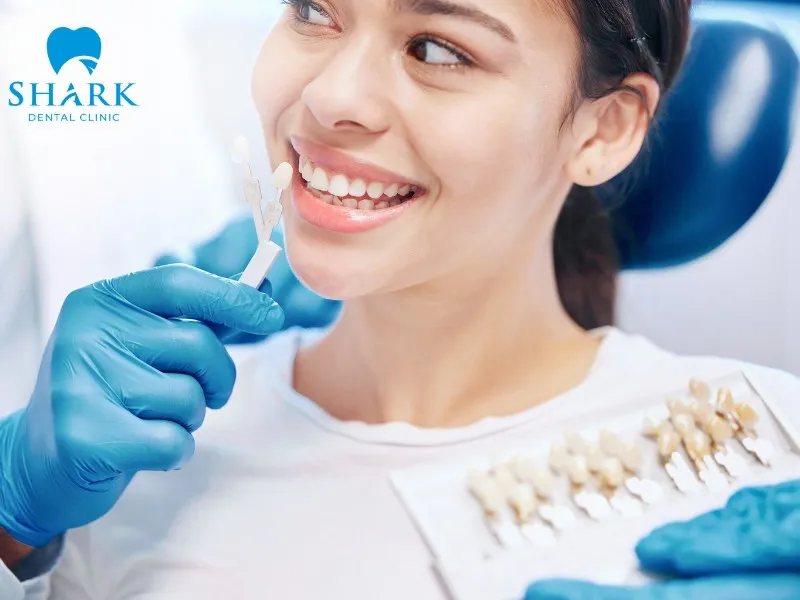
| Comparison criteria | Veneers | Dentures |
| Suitable candidates | Suitable for people whose natural teeth still have strong tooth roots and structure, with teeth that are chipped or damaged by no more than one-third of the tooth surface. | Suitable for people who have lost one or multiple teeth, or have teeth that are broken, severely chipped, or heavily damaged. |
| Restoration technique | A thin layer of enamel is gently trimmed from the natural tooth surface before ultra-thin porcelain veneers are bonded onto the teeth. | Patients may use removable dentures or fixed dentures supported by dental Implant posts. |
| Flexibility | Veneers are permanently bonded to the surface of the natural teeth and cannot be removed at home. | Removable dentures can easily be taken out during eating, cleaning, and daily oral care routines. |
| Preservation of natural teeth | This method is minimally invasive, helps preserve the natural tooth structure, and does not affect the tooth pulp. | This method is designed to replace previously lost or severely damaged tooth roots and crowns. |
| Cost | Veneers generally have a relatively high treatment cost. | Dentures are considered a more affordable and budget-friendly tooth restoration option. |
>>> See more: Are veneers fake teeth?
Pros and cons of dentures
Dentures come with both advantages and disadvantages that patients should carefully consider:
Pros
- Cost-effective: Dentures are considered a traditional tooth restoration method with a more affordable and cost-saving price compared to porcelain veneers, making them suitable for many patients.
- Simple Procedure: The process of fabricating and using dentures is relatively simple and does not involve overly complicated techniques, especially for removable dentures.
- Improved Aesthetics: Dentures are designed with colors, shapes, and sizes similar to natural teeth, helping improve imperfections such as chipped, broken, discolored, or uneven teeth for a more harmonious smile.
- Removable Convenience: With removable dentures, patients can easily take them out for cleaning and oral hygiene during their daily routine, making the maintenance process more convenient.
Cons
- Dentures may not provide the chewing efficiency and biting strength that are as stable and natural as real teeth. Because of this limitation, patients are often advised to avoid foods that are overly hard, chewy, tough, or contain many small fragments during the denture usage process.
- Using traditional dentures alone for missing teeth cannot completely prevent jawbone deterioration over time. This means the jawbone may gradually shrink in areas where teeth are missing if there is no direct stimulation to the bone structure.
Pros and cons of veneers
Porcelain veneers come with specific advantages and disadvantages as outlined below:
Pros
- Preserves natural teeth: The veneer procedure only requires removing a very thin layer of tooth enamel, helping preserve the natural tooth structure without affecting the tooth pulp or the inner tooth structure.
- High aesthetic effectiveness: Porcelain veneers are ultra-thin and designed with a naturally bright and even tooth color, helping deliver highly aesthetic and natural-looking restoration results after treatment.
- Comfortable chewing ability: Porcelain veneers are thin and firmly bonded onto the surface of natural teeth, allowing patients to comfortably perform daily chewing and eating activities.
- Safe for oral health: Porcelain veneers are fabricated from biocompatible ceramic materials that are considered safe and gentle for the oral environment during long-term use.
- Good strength and durability: Although veneers are very thin in size, they still provide high durability and good resistance to chewing pressure during everyday use.
Cons
- Higher cost: Compared to traditional tooth restoration methods such as dentures, porcelain veneers generally come with a higher treatment cost due to their aesthetic benefits and advanced restoration techniques.
- Limited suitable candidates: Porcelain veneers are only suitable for certain dental conditions. Patients with severely chipped, heavily damaged, or extensively broken teeth may not be appropriate candidates for this treatment method.
- Requires highly skilled dentists: To achieve optimal veneer results, the procedure requires dentists with strong professional expertise, precise techniques, and extensive practical experience.
Dentures vs veneers cost
Porcelain veneers are considered a cosmetic dental restoration method that provides high aesthetic effectiveness, so the treatment cost is relatively expensive. On average, the cost of porcelain veneers ranges from approximately 6,000,000 – 12,000,000 VND per tooth. Veneers are fabricated using advanced CAD/CAM technology, helping ensure excellent aesthetics, precise fitting, and long-lasting durability.
Meanwhile, dentures usually cost around 1,000,000 – 8,000,000 VND per tooth. This is considered a more affordable price range that suits the financial conditions and restoration needs of many patients today. However, if dentures are attached to Implant posts, the overall treatment cost will be higher depending on the number of Implant posts used.
Dentures vs veneers: Choosing the best option for you
Deciding whether to choose dentures or porcelain veneers depends on your personal needs, financial condition, and actual oral health situation. Both of these dental restoration methods are widely used today and can provide many practical benefits in terms of aesthetics, helping improve the appearance of your smile and overall confidence in daily communication.
However, to choose the most suitable dental restoration solution, it is important to seek advice from a qualified and experienced dentist. During the examination process, the dentist will carefully assess your current oral condition, evaluate the level of tooth damage or tooth loss, and then recommend the most appropriate treatment method to help improve the dental issues you are experiencing.
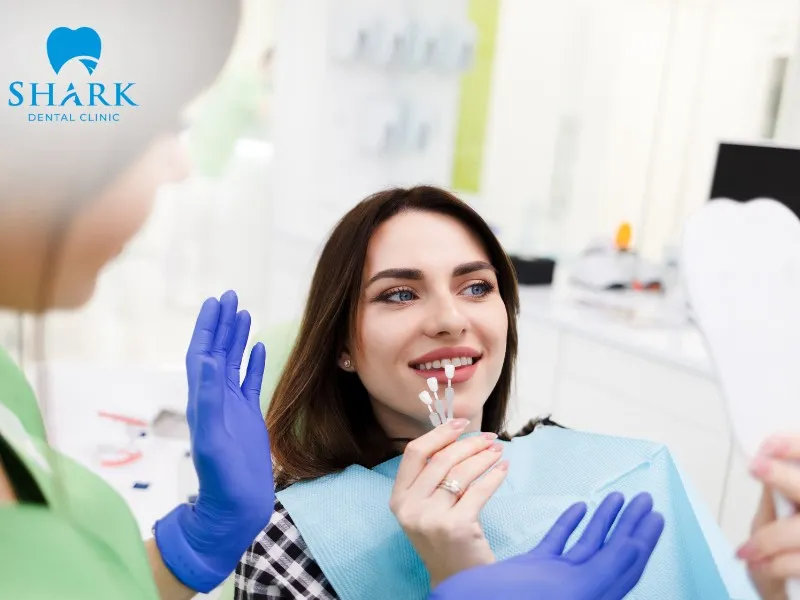
The article above has shared detailed information about veneers vs dentures, helping you gain a clearer understanding of these two popular dental restoration methods. Hopefully, this useful information will help you make the right treatment decision and choose a suitable restoration solution to effectively improve your oral health and smile aesthetics.