
In recent years, screwless dental implants have gradually become a prominent trend thanks to their superior aesthetic enhancement compared to traditional implant methods. However, is this solution truly suitable for everyone? Let’s join Shark Dental Clinic in taking a closer look at this modern dental restoration method in the article below.
What are screwless dental implants?
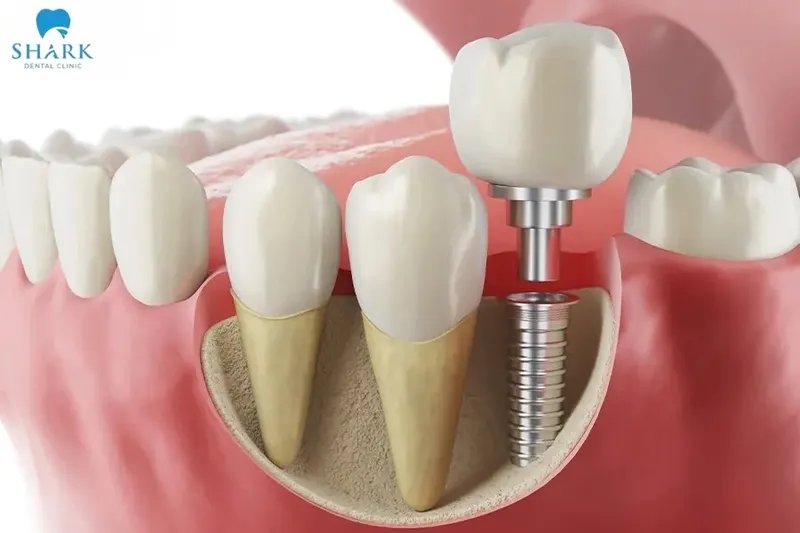
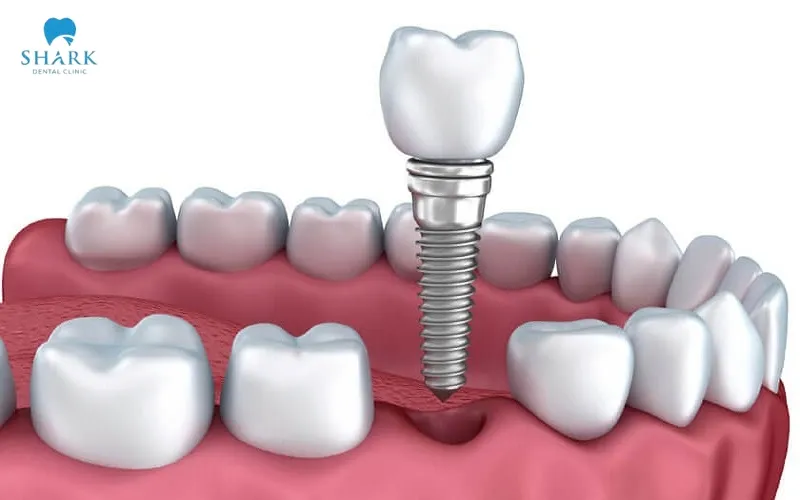
Screwless dental implants are a method of dental restoration where the dental crown is attached to the implant post using specialized dental cement, rather than a fixation screw like in traditional implant systems. This results in a seamless surface without a visible screw access hole, offering superior aesthetics. They are considered a refined option among the various types of dental implants available today.
This technique is particularly beneficial in cases that require high aesthetic standards, especially for front teeth or areas that are easily visible when smiling. Screwless dental implants maintain stable chewing function while making the restored tooth appear more natural and closely resemble a real tooth.
How do screwless dental implants work?
Screwless dental implants operate on the same fundamental principles as traditional implant systems, with the primary difference being how the crown is secured. Here are the three main mechanisms that enable this system to function effectively:
- Friction-based retention: The implant post and connector are engineered for a precise fit, creating strong frictional force that holds the crown in place without needing a screw.
- Conical locking design: This mechanism employs a cone-shaped interface between the implant and the abutment. When these components are connected, they self-lock through a wedging effect, enhancing connection strength and reducing the risk of loosening during chewing.
- Press-fit retention system: This method involves precise calculations of dimensions and insertion pressure. The abutment is pressed tightly into the implant post, creating excellent stability and minimizing the likelihood of crown displacement.
Who is a candidate for screwless dental implants?
Ideal candidates for screwless dental implants typically include:
- Individuals with good jawbone quality
- Patients with stable overall oral health
- Those without severe teeth-grinding habits
- Patients who require dental implants but place a high priority on aesthetics
However, patients with significant resorption may require solutions for dental implants with bone loss before proceeding.
What are the key aesthetic advantages of screwless implants?
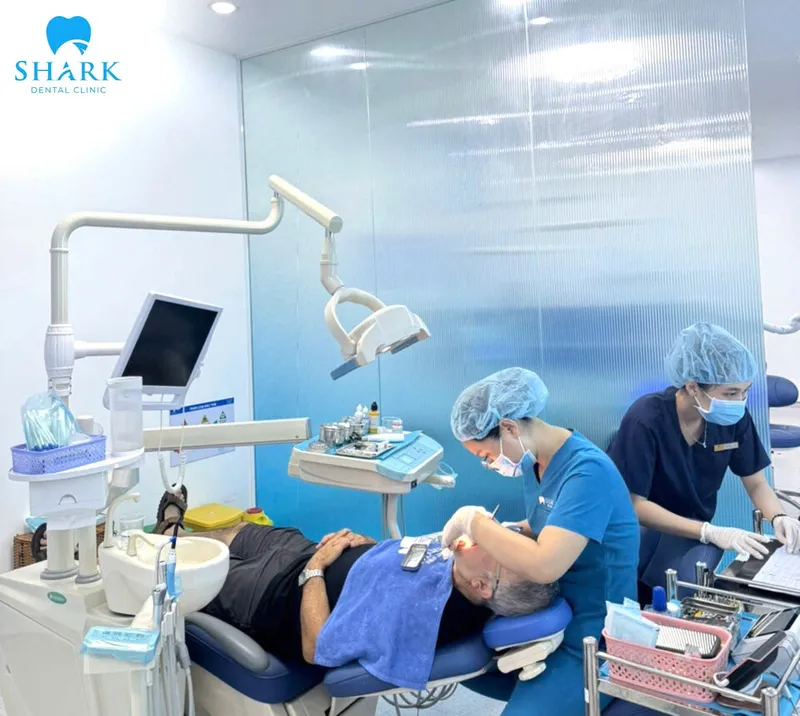
The primary reason many patients choose screwless dental implants is their natural appearance and visual perfection. Key aesthetic advantages include:
- Seamless, natural-looking restorations: Without a screw access hole, the porcelain crown appears as a single, smooth unit, allowing the smile to look as natural as real teeth.
- An ideal solution for front teeth: Thanks to the screwless design, dentists can create aesthetically pleasing anterior restorations with no visible signs of intervention, helping patients feel confident when smiling.
- Better harmony with gum tissue: The smooth design of screwless restorations allows the crown to integrate more naturally with surrounding soft tissues, promoting healthy gums and a natural-looking gum line
>>> See more: What are sinus lifts for dental implants?
What risks are associated with screwless implant restorations?
Despite their aesthetic advantages, screwless implant restorations come with certain risks and considerations that should be carefully evaluated before treatment:
- Wear over time: Friction-based or tapered locking connections may gradually wear down over many years, potentially affecting the precision of the fit and leading to recognizable symptoms of a loose dental implant crown.
- Difficulty in removal: If adjustments or repairs are needed, removing screwless components may be more challenging compared to traditional screw-retained systems.
- Limited long-term clinical data: Compared to conventional screw-retained implants, screwless techniques require further long-term studies to fully confirm their durability over several decades.
- Restricted indications: This method may not be suitable for every patient. Outcomes significantly depend on jawbone quality, individual bite force, and overall oral health.
- Maintenance and replacement costs: Periodic maintenance or replacement of restorative components might be necessary to maintain chewing functionality over time.
Screwless dental implants cost overview
The cost of screwless dental implant restoration is generally comparable to that of traditional screw-retained implants. On average, the price for one screwless implant with a porcelain crown ranges from approximately 75 to 125 million VND per tooth. This range is often higher than the standard dental implant cost in Vietnam due to the specialized components.
However, the final cost is influenced by various factors, including the type of implant post and crown, jawbone condition, any necessary supportive procedures, and the dental clinic providing the treatment. For an accurate estimate, patients should undergo a clinical examination and jawbone imaging at a reputable dental clinic, where the dentist can offer a personalized treatment plan and precise cost estimate.
How are screwless dental implants placed?
The screwless dental implant procedure follows a structured scientific process to ensure long-term stability, efficient chewing, and optimal aesthetics. Generally, the method comprises three main steps:
Step 1: Implant placement into the jawbone
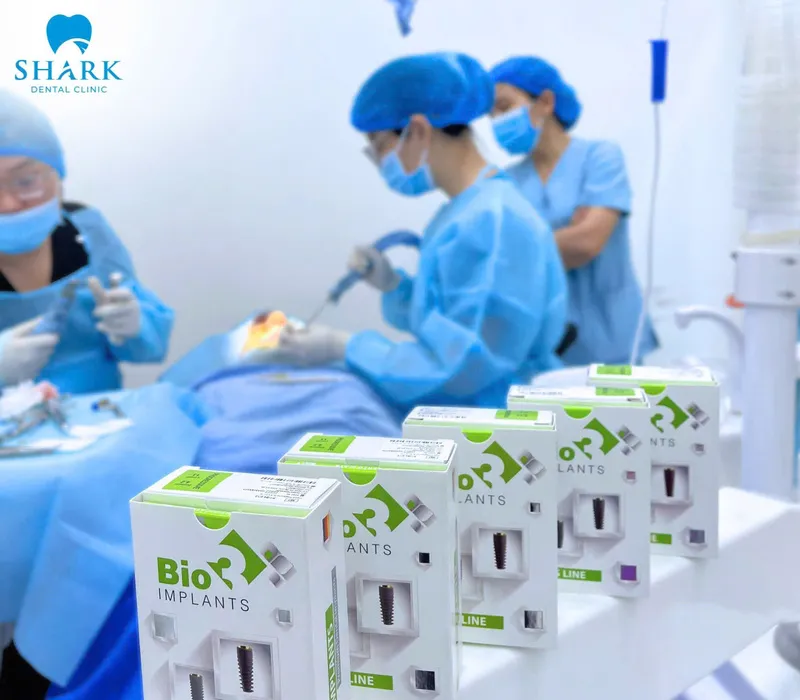
The dentist places a titanium dental implant directly into the jawbone at the location of the missing tooth. After the surgery, the implant requires approximately 3 to 6 months to fully integrate with the surrounding bone, establishing a stable foundation for the final restoration.
Step 2: Abutment attachment
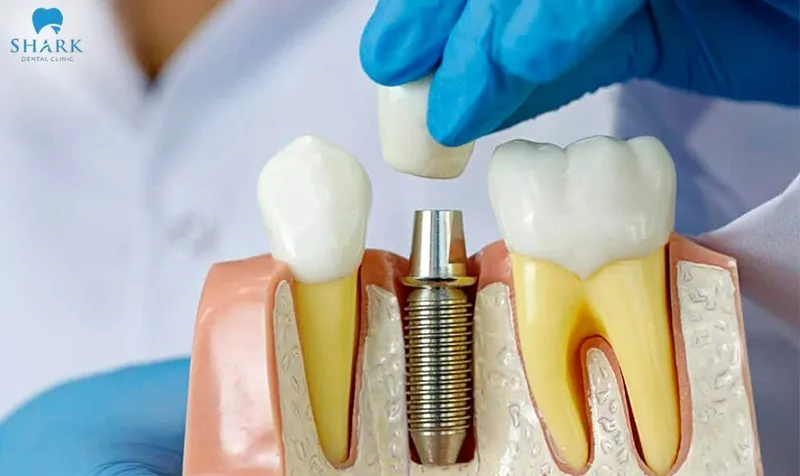
Once osseointegration is complete and the dental implant healing abutment has successfully shaped the gum contours, the dentist attaches the final abutment to the implant. The abutment can be either prefabricated or custom-designed for each case, requiring high precision to effectively support the crown and evenly distribute biting forces.
Step 3: Crown cementation using specialized dental cement
Instead of securing the crown with a screw, the dentist uses specialized dental cement to bond the crown directly onto the abutment. This method eliminates the need for a screw access hole, resulting in a seamless and highly aesthetic restoration—especially ideal for front teeth.
Screwless vs. Screw-retained: Which provides better stability?
Choosing between screwless dental implants and traditional screw-retained implants depends on aesthetic expectations, the condition of the jawbone, and individual financial considerations. Here’s a comparative overview of the two techniques:
| COMPARISON CRITERIA | SCREWLESS IMPLANTS | SCREW-RETAINED IMPLANTS |
| Fixation mechanism | Use frictional retention or tapered cone locking to connect components. | Use a mechanical screw to secure the crown to the implant post. |
| Aesthetic outcome | No screw access hole; the crown’s surface is smooth and natural, closely resembling a real tooth. | A screw access hole is present on the occlusal surface and is usually sealed with a composite material. |
| Maintenance and retrievability | More complex; removal for repair or adjustment can be challenging. | Easy to remove the screw for cleaning, repair, or crown replacement. |
| Risk of complications | There is potential wear or loosening at the friction-contact interfaces over long-term use. | Risks include screw loosening, screw fracture, or porcelain fracture around the access hole. |
| Clinical research data | Rapidly developing, but long-term clinical data are still limited. | Supported by decades of extensive and reliable clinical evidence. |
| Đối tượng phù hợp | Case-dependent and require strict professional indication. | Widely used and suitable for most cases of missing teeth. |
In general, screw-retained implants are considered more reliable for long-term stability, especially in areas subjected to heavy biting forces or where future maintenance might be needed. However, screwless implants remain a stable and effective option for single-tooth restorations that prioritize aesthetics and are supported by favorable jawbone conditions.
A thorough examination at a reputable dental clinic is essential to determine the most appropriate method. Proper treatment selection ensures optimal results and long-term success.
How long do screwless implant systems last?
When patients ask “how long do dental implants last” especially regarding screwless options, the answer is typically between 15 and 25 years, and in some cases, they may last a lifetime with proper care. The longevity of these implants depends on several factors, including:
- Jawbone quality and density
- Precision in abutment and crown placement
- Oral hygiene practices and regular follow-up visits
- Bite force and harmful habits such as teeth grinding
To ensure stable chewing function and long-term success, patients are encouraged to undergo screwless implant treatment at reputable dental clinics that employ experienced specialists and modern equipment. Adhering to professional aftercare instructions and attending regular check-ups can significantly extend the lifespan of the implants.
How to maintain cemented implant restorations
Proper post-treatment care is crucial for maintaining durability, chewing efficiency, and preventing complications around the implant. To maximize the lifespan of screwless dental implants, patients should follow these care guidelines:
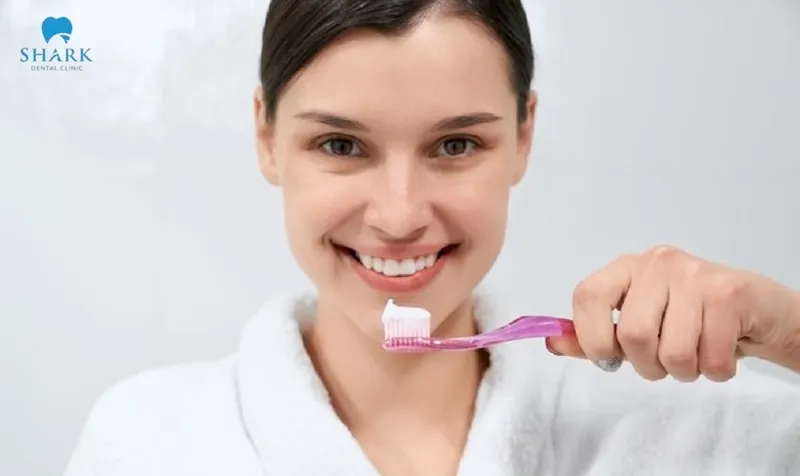
- Maintain good oral hygiene: Brush your teeth at least twice a day with a soft-bristled toothbrush. Use dental floss or a water flosser to effectively remove plaque and bacteria around the implant area.
- Eliminate harmful habits: Avoid teeth grinding, chewing hard objects, or using your teeth to open bottles, as these actions can increase stress on the implant and may lead to loosening or damage.
- Adopt a balanced diet: Choose softer foods during the initial healing phase and maintain a well-balanced diet to protect both implant-supported and natural teeth.
- Attend regular check-ups: Visit your dentist as scheduled to assess the stability of the implant and crown, and receive professional cleaning to detect potential issues early on.
- Follow your dentist’s instructions: Adhere to personalized aftercare recommendations to ensure safety, prevent infection, and prolong the lifespan of the implant restoration.
Consulting a list of 50 soft foods to eat after dental implant surgery can help you plan meals.
With excellent stability and a highly natural appearance, screwless dental implants are increasingly popular for tooth restoration. However, to achieve long-term success, it’s essential that this approach is suitable for the right candidates and performed at a reputable dental clinic, backed by a comprehensive examination and a well-planned treatment protocol. If you have any questions about dental implant treatment, please contact Shark Dental Clinic at the hotline (+84) 941 623 322 for prompt consultation and professional support.