
Nowadays, in addition to professional treatments at dental clinics, the use of teeth whitening mouthwash is becoming an increasingly popular choice due to its convenience and ease of use in daily routines. In the article below, Shark Dental Clinic will provide a more detailed and comprehensive analysis of its mechanism of action, key benefits, and potential limitations, helping you gain a clearer and more objective understanding before deciding to use this product.
Does teeth whitening mouthwash really whiten teeth?
The answer is yes – teeth whitening mouthwash can help improve the brightness of teeth, but its effectiveness is different compared to professional whitening treatments performed at dental clinics. The best teeth whitening mouthwash typically works on the outer surface of the teeth, using ingredients such as hydrogen peroxide or mild polishing agents to gradually enhance brightness.
However, for teeth that have long-standing yellowing or deep intrinsic stains, teeth whitening mouthwash may not deliver results comparable to in-office whitening procedures. Therefore, this type of product should be considered a supportive solution to help maintain a bright smile, rather than a primary whitening method. When combined with proper brushing techniques and regular dental check-ups, it can contribute to better overall oral health and appearance.
How teeth whitening mouthwash works to reduce stains?
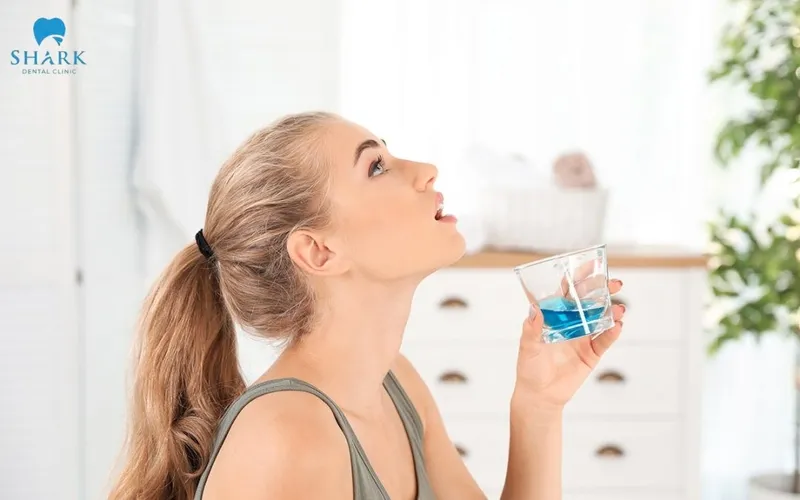
Teeth whitening mouthwash works by delivering a small amount of whitening agents that come into direct contact with the tooth surface during rinsing. These active ingredients gradually break down surface stains, allowing teeth to appear brighter over time.
With consistent daily use, this mechanism helps reduce discoloration caused by common factors such as food, beverages, and smoking. At the same time, it supports the maintenance of a natural tooth shade while minimizing the buildup of new stains, making teeth appear cleaner and more polished with continued use.
Key ingredients in whitening mouthwash
The effectiveness of the best teeth whitening mouthwash comes from key ingredients that help break down stains, remove plaque, and maintain a brighter tooth surface. These typically include:
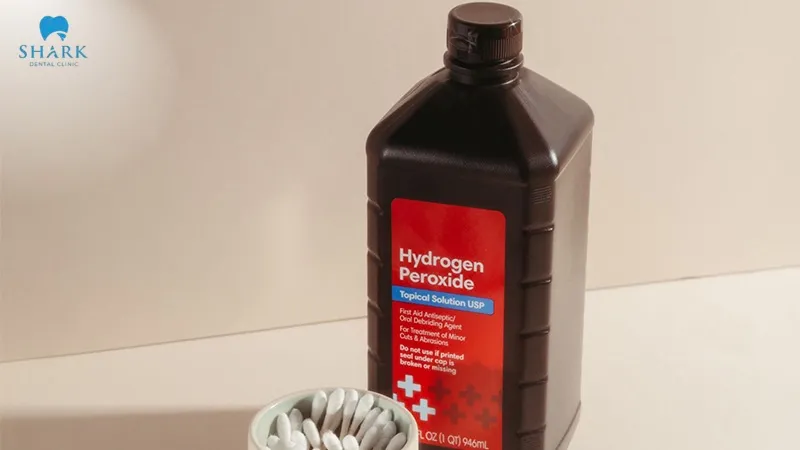
- Hydrogen peroxide: The primary whitening agent that acts on the surface of the enamel to break down stains.
- Carbamide peroxide: Similar to hydrogen peroxide but releases oxygen more slowly, allowing for a gentler whitening effect with a lower likelihood of sensitivity.
- Polishing agents: Help remove plaque and surface discoloration while smoothing the tooth surface, making teeth appear cleaner and shinier.
- Natural extracts (such as mint and licorice): Help freshen breath and provide a clean, refreshing sensation after use, enhancing the overall oral care experience.
Benefits of using teeth whitening mouthwash daily
Using teeth whitening mouthwash on a daily basis offers several benefits for both oral health and the aesthetic appearance of your smile:
- Removes plaque and surface stains: The whitening agents in the mouthwash help break down plaque buildup and discoloration caused by food and beverages, allowing teeth to appear progressively brighter with continued use.
- Supports long-term brightness: When combined with proper brushing techniques, teeth whitening mouthwash helps maintain a clean, bright tooth color over time while reducing the likelihood of new surface stains forming.
- Freshens breath effectively: Helps freshen breath: Many products contain ingredients such as mint extract or licorice, which not only support effective teeth whitening but also help keep the breath fresh, creating a clean and refreshing feeling after each use.
- Convenient and easy to use: With just one to two rinses per day, this product can be easily incorporated into a daily oral hygiene routine without requiring significant time, effort, or additional cost.
- Supports overall oral health: In addition to its whitening benefits, some types of the best teeth whitening mouthwash also contain fluoride, which helps protect enamel, prevent tooth decay, and support healthier gums.
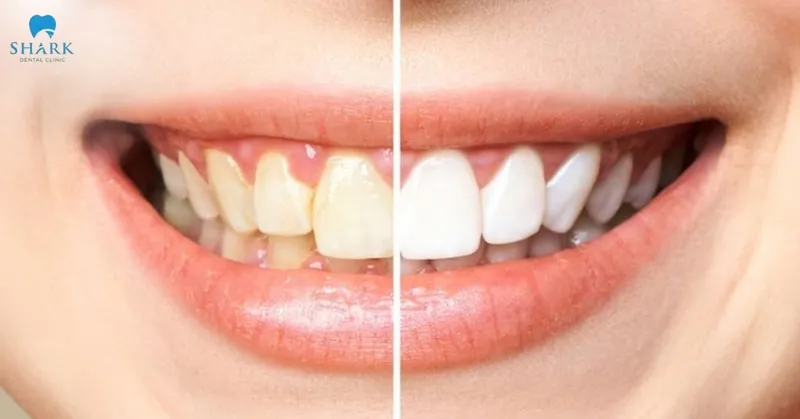
Limitations of teeth whitening mouthwash for deep stains
Although teeth whitening mouthwash provides noticeable improvements for surface-level stains, it still has certain limitations, particularly when dealing with deeper or more persistent discoloration:
- Limited effectiveness on long-standing stains: Yellowing or discoloration that has developed over a long period is often difficult to completely remove using mouthwash alone.
- Does not penetrate deeply into enamel: Teeth whitening mouthwash primarily works on the outer surface of the teeth, meaning stains located deeper within the enamel or beneath the dentin cannot be effectively whitened.
- Requires time to see visible results: The whitening effect develops gradually with consistent use and does not provide immediate results like professional in-clinic whitening treatments.
- Cannot replace professional whitening procedures: While the best teeth whitening mouthwash is helpful for maintaining brightness, it cannot substitute for professional whitening methods performed at dental clinics when more significant results are needed.
How to use teeth whitening mouthwash correctly?
Many people assume that using teeth whitening mouthwash is very simple, but in reality, improper use can significantly reduce its effectiveness. Below is a step-by-step guide to help you use the product correctly and achieve the best results:
- Choose the right product: Clearly identify your personal needs and carefully read product reviews before purchasing, so you can select the most suitable option.
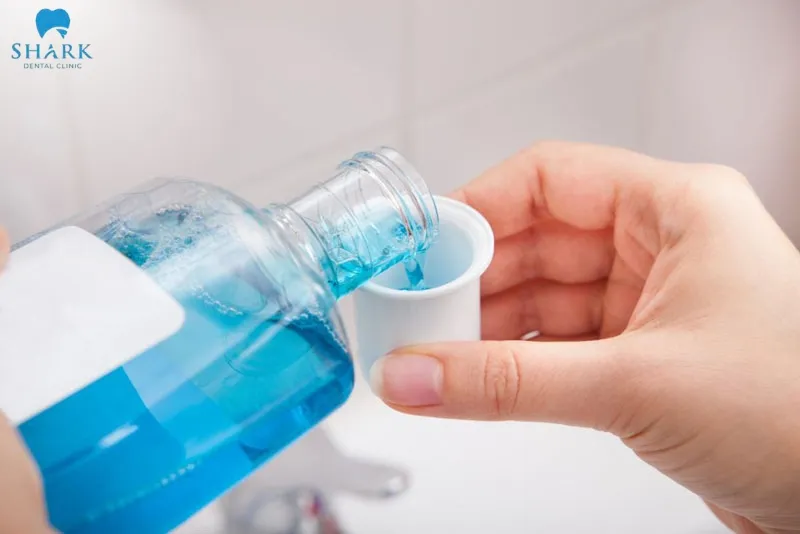
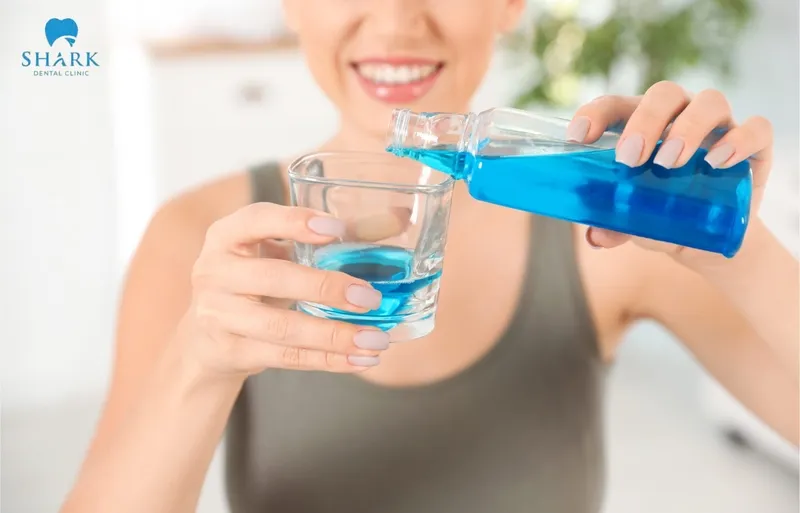
- Measure the correct amount: Always follow the recommended dosage indicated on the packaging to ensure optimal whitening effectiveness.
- Do not swallow: Spit out the mouthwash completely after use, as most whitening mouthwashes contain alcohol or active whitening agents that may be harmful if swallowed.
- Rinse properly: Swish the mouthwash in your mouth for about 30 seconds, ensuring it comes into contact with all areas, including teeth, gums, tongue, and the back of the mouth.
- Follow additional instructions: Some products require you to avoid eating or drinking for 30–60 minutes after rinsing to maximize effectiveness.
How long it takes to see results from whitening mouthwash?
The results of using teeth whitening mouthwash typically become noticeable after 2 to 12 weeks of consistent use. However, the level of whitening achieved can vary depending on several factors, including the current condition of your teeth, daily habits, frequency of use, and overall oral care routine.
Is teeth whitening mouthwash safe for long-term use?
Most teeth whitening mouthwash products are considered safe for long-term use, as long as they are used according to the manufacturer’s instructions. Overuse or excessively frequent use may lead to tooth sensitivity or gum irritation, so it is important to choose products with an appropriate peroxide concentration (typically around 1–2%) and avoid overuse.
To ensure both effectiveness and safety, it is recommended to combine mouthwash use with proper brushing techniques, regular flossing, and routine dental check-ups. When used consistently and correctly, teeth whitening mouthwash not only helps improve tooth brightness but also supports overall oral health.
Teeth whitening mouthwash vs toothpaste and strips
Each teeth whitening method offers its own advantages and limitations. Below is a detailed comparison between teeth whitening mouthwash, teeth whitening toothpaste, and whitening strips to help you choose the most suitable option for your needs:
| Criteria | Mouthwash | Toothpaste | Whitening strips |
| Whitening agents | 1.5 – 2% hydrogen peroxide | 5 – 10% hydrogen peroxide | 25 – 40% hydrogen peroxide |
| Contact time | 60 seconds | 30 – 60 minutes | 60 – 90 minutes |
| Whitening effectiveness | Mild to moderate, mainly effective on new and surface stains | Moderate, helps remove plaque and light to moderate stains | High effectiveness, including long-standing stains |
| Side effects | Minimal, rarely causes sensitivity | Low, may cause slight sensitivity if overused | May cause tooth sensitivity or gum irritation; caution is needed for sensitive teeth |
| Time to see results | 2–12 weeks with consistent use | 2–6 weeks, depending on the product | 2–4 weeks, faster results due to higher whitening concentration |
| Cost | Low | Low | Moderate to high, depending on the brand |
How to choose the best teeth whitening mouthwash?
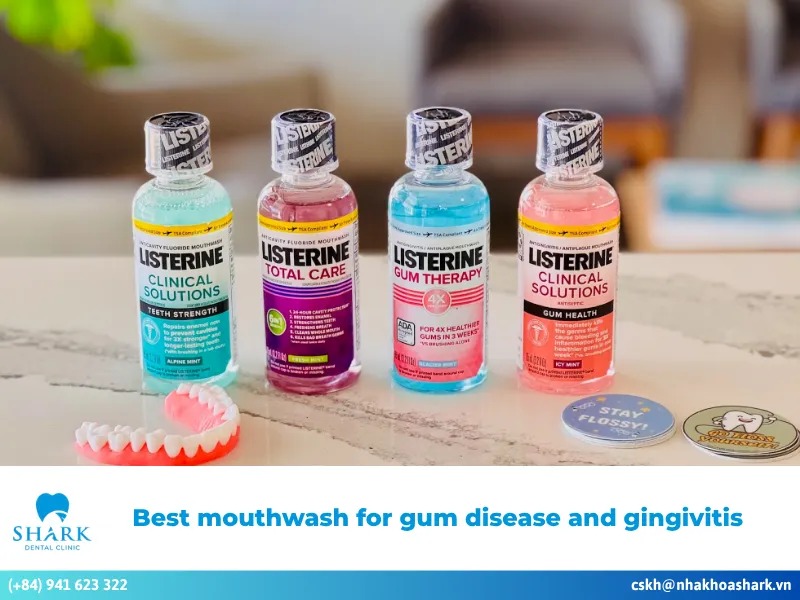
Choosing the best teeth whitening mouthwash plays an important role in ensuring both effectiveness and safety during use. Below are key criteria you should carefully consider when selecting a suitable product:
- Check the concentration of whitening agents: It is recommended to choose a mouthwash with a low concentration of whitening ingredients (around 1%–2%). This level is sufficient to break down stain-causing molecules while minimizing the risk of gum irritation or damage to soft tissues.
- Prioritize alcohol-free formulas: Alcohol can cause dry mouth, reducing the amount of saliva that naturally protects teeth. This may lead to faster stain accumulation over time. Therefore, selecting an alcohol-free teeth whitening mouthwash is a safer option for long-term use.
- Look for fluoride content: Mouthwash containing fluoride helps remineralize enamel, strengthen teeth, and prevent tooth decay while supporting the whitening process.
- Choose reputable brands: Prioritize products from trusted brands that have safety certifications. These products are more likely to maintain a balanced pH level and reduce the risk of enamel erosion.
Hopefully, the information provided by Shark Dental Clinic has given you a comprehensive understanding of teeth whitening mouthwash. It is clear that this is a convenient solution that helps brighten teeth and maintain fresh breath on a daily basis. To achieve the best results, you should choose a product that suits your individual needs, pay attention to its ingredients, follow the correct usage instructions, and combine it with a complete oral care routine.